If you’ve been told you need a root canal, you’ve probably heard a few horror stories.
For decades, root canals have had an unfair reputation for being painful. Movies, television shows, and outdated stories have convinced many people that a root canal is something to fear.
The truth?
Modern root canal treatment is designed to relieve pain—not cause it.
At Eastern Idaho Endodontics, one of the most common things we hear from patients after treatment is:
“That was so much easier than I expected.”
Let’s separate fact from fiction and answer some of the biggest questions patients have about root canals.
Myth #1: Root Canals Are Extremely Painful
Fact: The Infection Causes the Pain—Not the Root Canal
This is the biggest misconception surrounding root canal treatment.
If your tooth needs a root canal, it’s usually because the nerve inside the tooth has become infected or severely inflamed.
That infection is what’s causing:
- Throbbing tooth pain
- Sensitivity to hot or cold
- Pain while chewing
- Swelling
- Difficulty sleeping because of tooth pain
A root canal removes the infected tissue that’s causing these symptoms.
With modern local anesthetics and advanced techniques, most patients say getting a root canal feels very similar to having a routine filling.
Myth #2: Root Canals Aren’t Safe
Fact: Root Canals Are a Safe, Proven Treatment
Another common question we hear is:
“Are root canals safe?”
Yes.
Root canal treatment has been performed successfully for decades and is considered one of the safest and most effective ways to save a natural tooth.
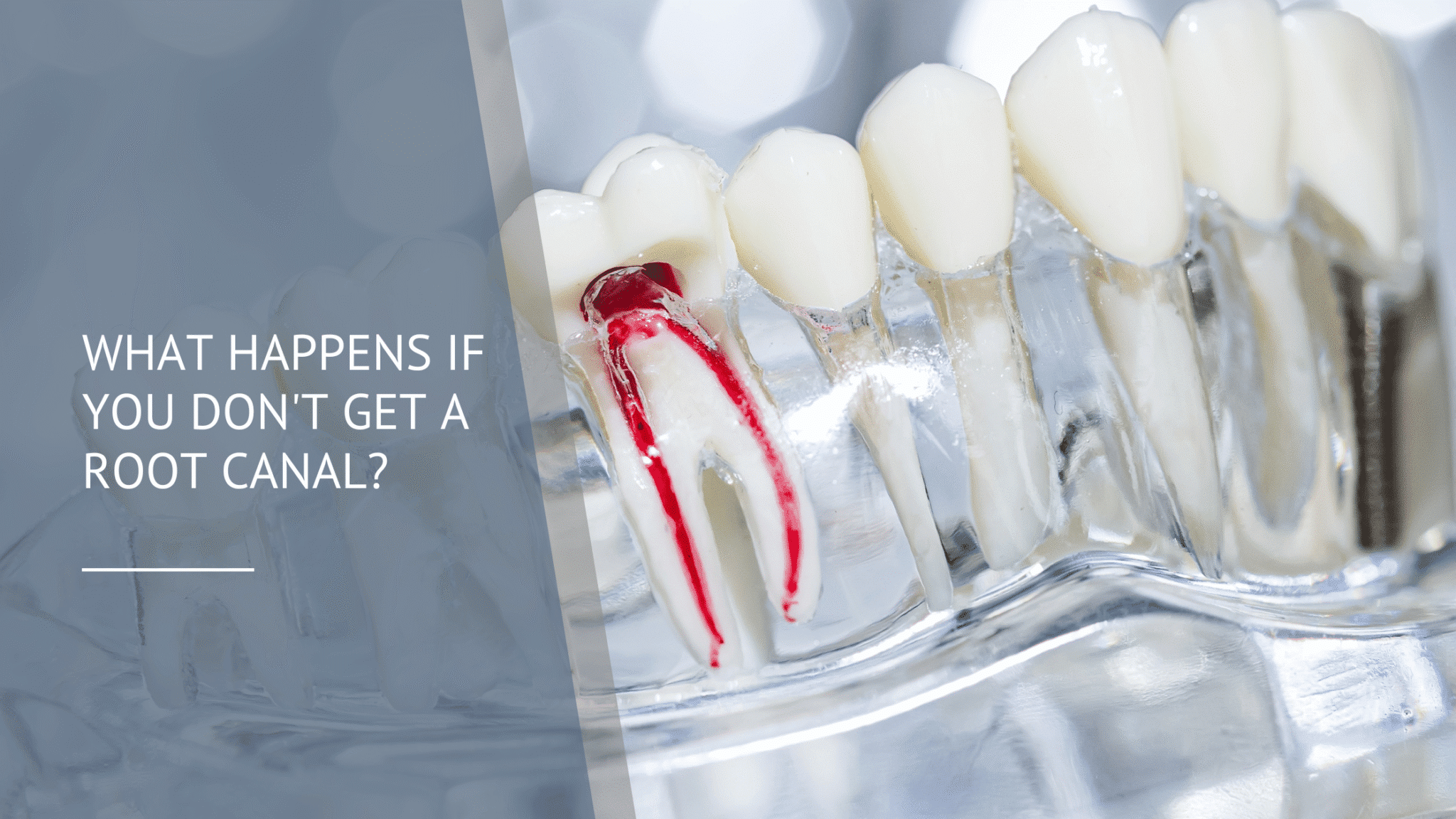
The procedure removes infected tissue, disinfects the inside of the tooth, and seals it to help prevent future infection.
Modern endodontic techniques are based on decades of scientific research and continue to evolve with advanced technology that improves both comfort and precision.
Myth #3: It’s Better to Pull the Tooth
Fact: Saving Your Natural Tooth Is Usually the Better Choice
Some patients assume removing the tooth is the easier solution.
In reality, preserving your natural tooth offers many long-term benefits.
Keeping your tooth helps:
- Maintain normal chewing function
- Preserve your jawbone
- Prevent neighboring teeth from shifting
- Keep your natural smile intact
- Avoid more extensive restorative treatment
Whenever possible, saving your natural tooth is typically the healthiest long-term option.
Myth #4: Recovery Is Long and Miserable
Fact: Most Patients Recover Quickly
After treatment, it’s normal to experience mild soreness for a few days.
Most patients:
- Return to work the same day or the following day
- Need only over-the-counter pain medication
- Notice improvement within several days
- Resume normal activities quickly
The discomfort after treatment is usually much less than the pain caused by the infection itself.
Myth #5: Every Toothache Means You Need a Root Canal
Fact: Not Every Tooth Pain Requires Endodontic Treatment
Tooth pain can have many different causes.
Sometimes it’s related to:
- A cavity
- Gum disease
- A cracked tooth
- Teeth grinding
- Sinus pressure
- Tooth sensitivity
One of the most important things an endodontist does is determine what’s actually causing your pain before recommending treatment.
If a root canal isn’t necessary, we’ll tell you.
Myth #6: Root Canals Don’t Last
Fact: Many Root Canals Last a Lifetime
With proper treatment and good oral hygiene, a tooth that’s had a root canal can often function normally for decades—and many last a lifetime.
To maximize long-term success:
- Brush and floss daily.
- Visit your general dentist regularly.
- Have a permanent crown placed if recommended.
- Avoid chewing hard objects like ice or pens.
Taking care of your restored tooth is much like caring for any other tooth.
What Makes Modern Root Canals Different?
Endodontic care has come a long way over the years.
At Eastern Idaho Endodontics, we use advanced technology designed to improve both comfort and treatment outcomes.
Our specialists utilize:
- Dental operating microscopes
- Advanced digital imaging
- Modern local anesthetics
- Specialized endodontic instruments
- Proven treatment techniques
These advancements allow us to diagnose problems more accurately and perform treatment with exceptional precision.
When Should You See an Endodontist?
You should schedule an evaluation if you’re experiencing:
- Severe tooth pain
- Lingering sensitivity to hot or cold
- Pain when biting
- Swelling around a tooth
- A cracked or fractured tooth
- A darkened tooth after trauma
- A tooth your general dentist believes may need a root canal
Early treatment often helps relieve pain sooner and increases the chances of saving your natural tooth.
Don’t Let Old Myths Keep You in Pain
The biggest mistake many patients make is delaying treatment because they’re afraid of the procedure.
Unfortunately, the infection won’t go away on its own.
Waiting can allow the infection to spread, increase discomfort, and sometimes make it impossible to save the tooth.
Today’s root canal treatment is safer, more comfortable, and more predictable than ever before.
Trust Eastern Idaho Endodontics for Comfortable, Expert Care
At Eastern Idaho Endodontics, we understand that many patients feel nervous when they hear they need a root canal. That’s why our team is committed to making every visit as comfortable, informative, and stress-free as possible. Using advanced technology and years of specialized training, we provide expert endodontic care focused on relieving pain and preserving your natural teeth.
If you’re experiencing tooth pain or have questions about whether you need a root canal, we’re here to help. With convenient locations throughout Eastern Idaho and Wyoming, you can count on compassionate care every step of the way.
Contact Eastern Idaho Endodontics today to schedule an evaluation.
Frequently Asked Questions
Are root canals painful?
No. Modern root canal treatment is performed with local anesthesia and is designed to relieve the pain caused by infection. Most patients say the procedure feels similar to getting a routine filling.
Are root canals safe?
Yes. Root canal treatment is a safe, well-established procedure that removes infection while preserving your natural tooth.
Is it better to pull a tooth than have a root canal?
Whenever possible, saving your natural tooth is usually the healthier long-term option because it preserves your bite, jawbone, and smile.
How long does a root canal take to heal?
Most patients experience mild soreness for a few days, with significant improvement within one week.
Why do people think root canals are painful?
Much of the fear comes from outdated stories and misconceptions. Modern technology and anesthetics have made root canal treatment significantly more comfortable than many people expect.