Root canal therapy is one of the most effective ways to treat infection inside a tooth while preserving the natural structure. As dental technology continues to advance, some patients may hear about newer techniques such as the laser-assisted root canal.
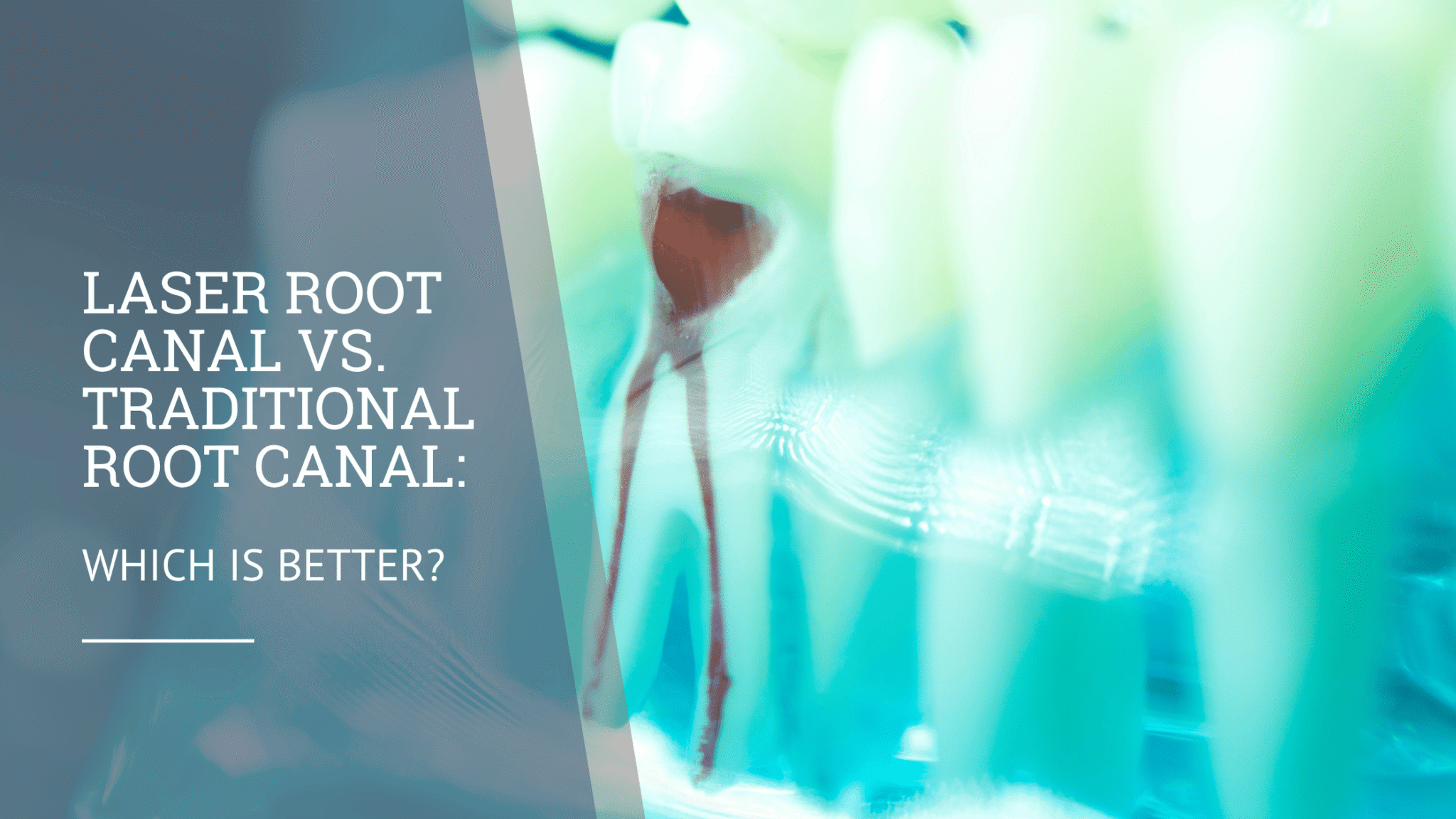
This raises a common question: Is a laser root canal better than a traditional root canal?
The answer depends on several factors, including the anatomy of the tooth and the specific goals of treatment. In some cases, a laser-assisted root canal may enhance the cleaning process, while in others a traditional root canal approach is the most effective option.
Understanding the differences between these two approaches can help patients feel more confident about their treatment decisions.
What Is a Traditional Root Canal?
A traditional root canal procedure focuses on removing infection from the inner part of the tooth known as the pulp.
During treatment, the endodontist:
-
Removes infected pulp tissue
-
Cleans and shapes the root canal system
-
Disinfects the internal canals
-
Seals the tooth to prevent reinfection
Traditional root canal therapy has been used successfully for decades and remains one of the most predictable procedures for saving natural teeth.
Modern technology such as dental microscopes, digital imaging, and advanced irrigation systems has significantly improved the precision and success rates of traditional root canal treatment.
What Is a Laser-Assisted Root Canal?
A laser-assisted root canal incorporates dental laser technology as part of the cleaning and disinfection process.
During a laser root canal, the endodontist may use a specialized dental laser after the canals have been shaped with traditional instruments. The laser delivers focused light energy that can help eliminate bacteria within the canal system.
The goal of a laser-assisted root canal is to enhance disinfection and help reach microscopic spaces within the root canal system.
However, laser technology is not used for every case. The tooth must have a root canal structure that allows safe and effective laser access.
Key Differences Between Laser and Traditional Root Canals
Both procedures share the same goal: removing infection and preserving the natural tooth. The main difference is how the root canal system is disinfected.
Cleaning Technology
A traditional root canal relies on specialized instruments and irrigation solutions to clean the canal system.
A laser-assisted root canal may add laser energy to help disinfect areas where bacteria may hide.
Treatment Approach
Traditional root canal therapy is appropriate for all root canal anatomies, including curved or complex canals.
A laser root canal is typically used when the canal pathway is relatively straight and allows safe access for the laser tip.
Technology Used
Traditional root canals may involve tools such as:
• digital imaging
• dental operating microscopes
• irrigation systems
A laser-assisted root canal may include those same technologies along with dental laser equipment.
Benefits of a Laser Root Canal
When used in appropriate cases, a laser-assisted root canal may provide certain advantages.
Improved Bacterial Reduction
Laser energy can help disrupt bacteria inside the root canal system.
Enhanced Cleaning of Small Spaces
The root canal system contains microscopic areas where bacteria may hide. A laser root canal may help reach some of these spaces.
Advanced Dental Technology
Many endodontic specialists use laser-assisted technology as one of several tools available to improve root canal precision.
When a Traditional Root Canal Is the Best Option
Despite the benefits of laser technology, a traditional root canal is often the most effective treatment.
Teeth with curved or complex root anatomy typically require specialized instruments rather than laser energy.
Because of this, endodontists carefully evaluate each case using advanced imaging before determining whether a laser-assisted root canal is appropriate.
Laser Root Canal Cost vs Traditional Root Canal
Another factor patients often consider is laser root canal cost.
The cost of treatment depends on several factors:
• complexity of the tooth
• number of root canals involved
• diagnostic imaging required
• use of advanced technology
Because laser technology may be used as an optional enhancement, the laser root canal cost can sometimes be slightly higher than traditional root canal therapy.
Your endodontic office will review all treatment options and discuss pricing before beginning the procedure.
Which Root Canal Option Is Right for You?
Ultimately, the best treatment approach depends on the structure of your tooth and the severity of the infection.
Both traditional root canal therapy and laser-assisted root canals aim to achieve the same outcome:
• eliminate infection
• relieve pain
• preserve the natural tooth
Your endodontist will evaluate your tooth carefully and recommend the most effective treatment option based on your individual case.
Modern Endodontics Focuses on Saving Natural Teeth
Advances in endodontic technology continue to improve how root canal procedures are performed. From laser-assisted root canals to advanced imaging and irrigation systems, these tools allow specialists to treat infection with greater precision.
Whether your treatment involves traditional techniques or a laser root canal, the primary goal remains the same — to save your natural tooth and restore your oral health.
If you are experiencing tooth pain or signs of infection, consulting an endodontic specialist can help you understand your treatment options and determine the best path forward.
Frequently Asked Questions
Is a laser-assisted root canal better than a traditional root canal?
Both procedures are effective for treating infection inside a tooth. A laser-assisted root canal may enhance cleaning in certain cases, but traditional root canal therapy remains the standard treatment for many teeth.
Is a laser root canal painful?
No. A laser root canal is performed under local anesthesia, and most patients report that the procedure feels similar to receiving a routine dental filling.
Why does laser root canal cost vary?
The laser root canal cost depends on the complexity of the tooth, the number of canals involved, and whether advanced technology is recommended as part of the treatment.
Are laser-assisted root canals safe?
Yes. When performed by trained endodontists, laser-assisted root canals are safe and effective for appropriate cases.