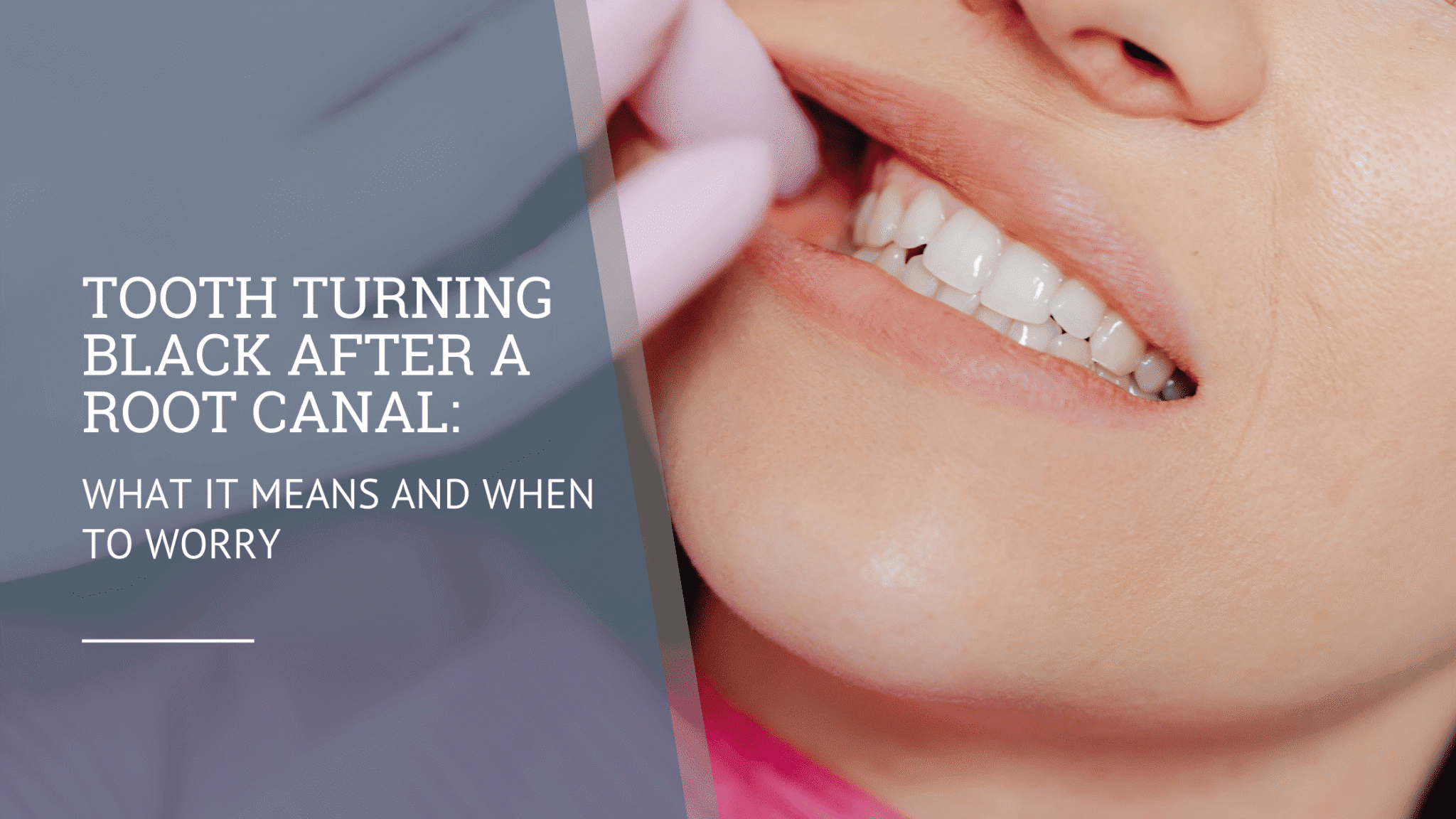
You’ve had a root canal. The pain is gone. Everything feels fine. Then one day you notice something unexpected — the tooth looks darker than the others.
A tooth turning black after a root canal can be concerning. However, in many cases, it is not a sign of a new infection. Understanding why this happens — and when it requires attention — can help you respond calmly and confidently.
At Eastern Idaho Endodontics, we help patients determine whether discoloration is simply cosmetic or a sign that further treatment is needed.
Why Would a Tooth Darken After a Root Canal?
Tooth discoloration after root canal treatment is not uncommon. Several factors may contribute.
1. The Nerve Is No Longer Alive
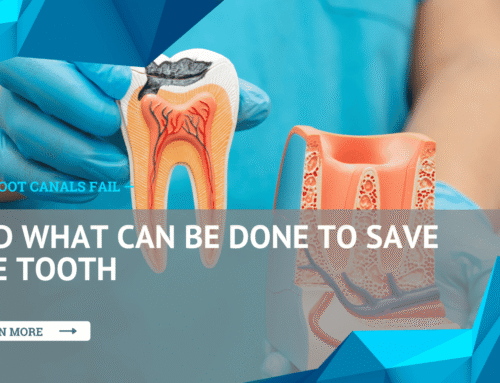
Before treatment, the tooth’s pulp contains blood vessels and nerve tissue. After a root canal, that tissue is removed. Without internal blood flow, the tooth can gradually appear darker over time.
This change is usually cosmetic and does not automatically mean something is wrong.
2. Internal Staining From Blood or Tissue
If there was significant infection or trauma before treatment, small amounts of internal bleeding may have occurred. Over time, this can cause staining inside the tooth structure.
The result may look gray, brown, or darker than surrounding teeth.
3. Previous Trauma to the Tooth
Sometimes a tooth that turns black after a root canal was injured years earlier. Trauma can disrupt internal tissue and contribute to long-term discoloration.
4. Remaining Infection (Less Common)
In rare cases, discoloration may be linked to persistent infection. If the tooth also has pain, swelling, or sensitivity, it should be evaluated promptly.
Discoloration alone does not usually mean root canal failure — but symptoms combined with color change should not be ignored.
When Should You Worry?
A darker tooth after root canal treatment is often harmless. However, you should contact an endodontist if you experience:
-
Pain when biting or chewing
-
Swelling in the gums or face
-
A pimple-like bump on the gums
-
Persistent sensitivity
-
A bad taste or drainage
These symptoms may suggest reinfection rather than simple discoloration.
Can a Dark Tooth Be Whitened?
Yes. Several options may improve the appearance of a darkened tooth.
Internal Bleaching
In some cases, whitening material can be placed inside the tooth after root canal treatment to lighten the color.
Dental Bonding or Veneers
For cosmetic concerns, bonding or veneers may improve the appearance.
Crown Placement
If the tooth requires additional strength or protection, a crown can restore both function and aesthetics.
Your dentist or endodontist can help determine the most appropriate solution.
Does a Black Tooth Mean the Root Canal Failed?
Not necessarily.
A tooth turning black after a root canal is often a cosmetic issue rather than a functional one. If there is no pain or swelling, the tooth may still be healthy internally.
However, if discoloration is accompanied by symptoms, imaging may be needed to rule out reinfection.
How to Protect a Treated Tooth
After root canal treatment, protecting the tooth helps maintain long-term success:
-
Complete recommended crown placement
-
Avoid chewing hard foods on untreated teeth
-
Maintain regular dental checkups
-
Address new symptoms quickly
Early evaluation prevents minor issues from becoming major problems.
Final Thoughts
Seeing a tooth darken after treatment can be unsettling. Fortunately, most cases are cosmetic and manageable. The key is knowing when discoloration is harmless — and when it deserves professional attention.
If you notice a tooth turning black after a root canal, and especially if you have new symptoms, a simple evaluation can provide clarity and peace of mind.