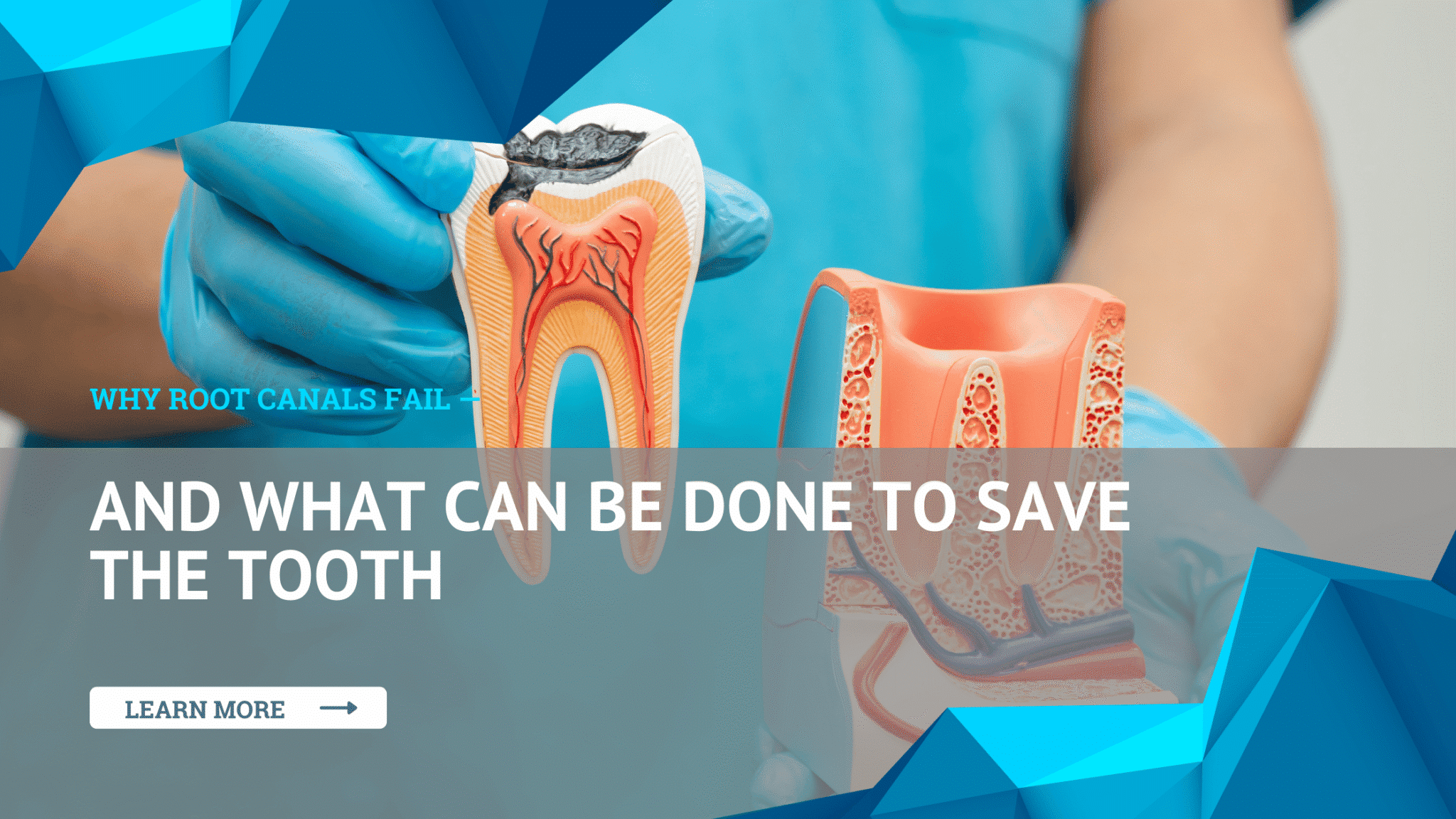
A root canal is designed to eliminate infection and preserve a natural tooth for many years. In most cases, it works extremely well. However, some patients experience lingering pain, swelling, or reinfection and wonder why their root canal didn’t succeed.
Understanding why root canals fail—and what options are available—can help you take the right next step and potentially save your tooth.
At Eastern Idaho Endodontics, we frequently treat teeth that were previously treated elsewhere and now need expert evaluation.
What Does It Mean When a Root Canal Fails?
A failed root canal occurs when bacteria remain inside the tooth or re-enter after treatment. This can happen weeks, months, or even years later.
Although the tooth may appear fine at first, symptoms can develop over time if infection returns or was never fully eliminated.
Common Reasons Root Canals Fail
Root canal failure is rarely caused by just one factor. Instead, it is usually related to the complexity of the tooth or changes that occur after treatment.
1. Hidden or Missed Canals
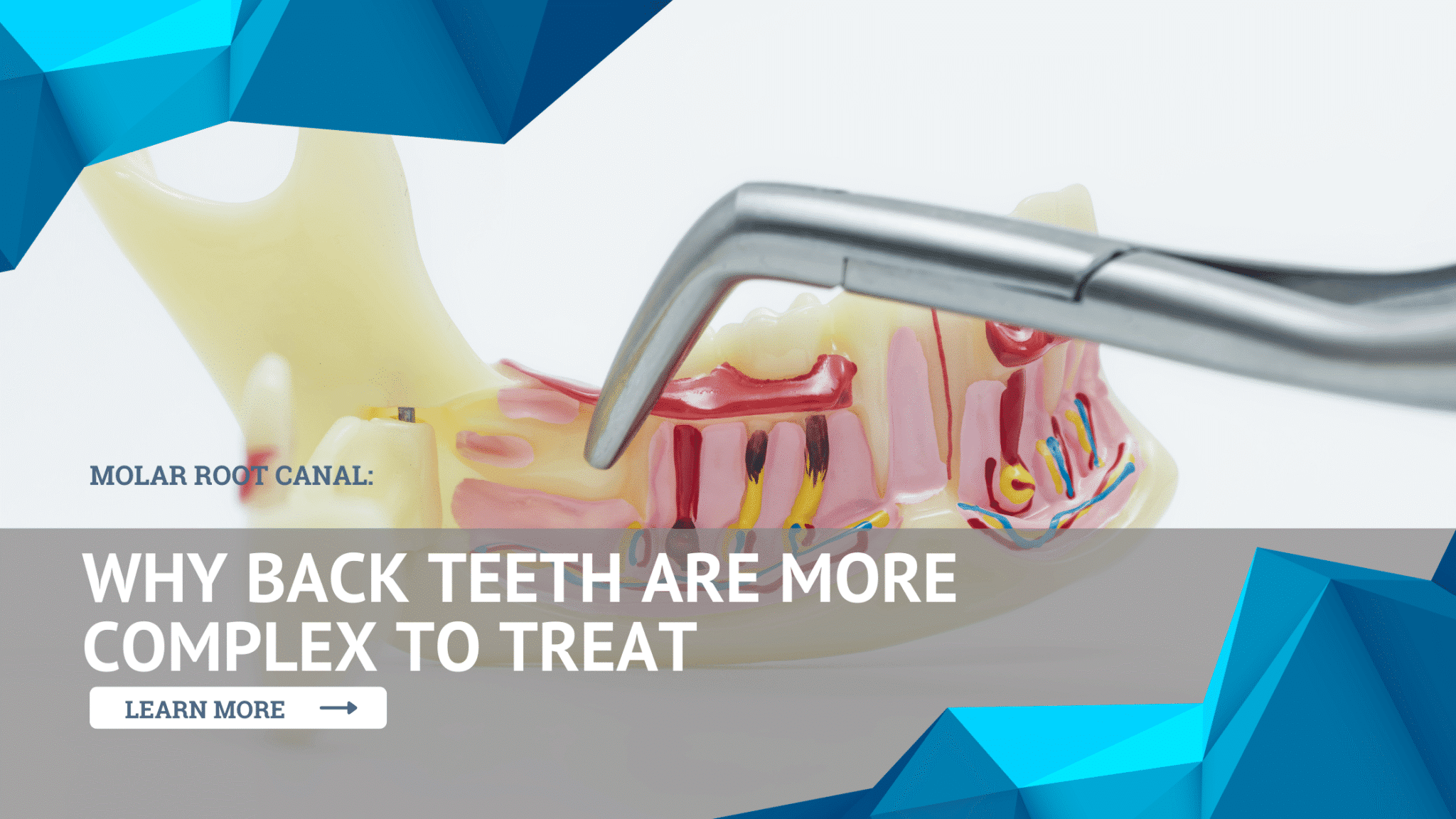
Some teeth—especially molars—have extra or unusually shaped canals. If a canal is missed during the initial procedure, bacteria can remain and cause reinfection.
2. Delayed or Failed Crown Placement
After a root canal, the tooth must be properly sealed. If a crown is delayed or damaged, bacteria can seep back into the tooth.
3. Cracks or Fractures
Tiny fractures may not be visible on standard X-rays. These cracks allow bacteria to enter and compromise the seal of the root canal.
4. New Decay
Even after treatment, a tooth can develop new decay. If decay reaches the inner portion of the tooth, it can lead to reinfection.
5. Complex Anatomy
Some teeth have narrow, curved, or branching canals that are difficult to clean thoroughly without specialized training and equipment.
Signs of a Failed Root Canal
Symptoms of root canal failure may appear gradually or suddenly. Common warning signs include:
-
Ongoing or recurring tooth pain
-
Sensitivity when biting or chewing
-
Swelling in the gums or face
-
A pimple-like bump on the gums
-
Tooth discoloration
-
Pressure or tenderness that doesn’t improve
Any of these symptoms should be evaluated promptly.
Can a Failed Root Canal Be Fixed?
In many cases, yes. A failed root canal does see mean the tooth must be removed.
Root Canal Retreatment
Root canal retreatment involves reopening the tooth, removing old filling material, cleaning the canals again, and sealing them properly. This is often successful when performed by an endodontist.
Apicoectomy (Root-End Surgery)
If retreatment is not possible, a minor surgical procedure called an apicoectomy may be recommended. This removes the infected tissue at the tip of the root.
Both options aim to eliminate infection and preserve the natural tooth.
Why Seeing an Endodontist Matters
Endodontists specialize in diagnosing and treating complex root canal problems. Advanced imaging, magnification, and specialized tools allow us to locate hidden canals and identify causes of failure that may not be obvious.
Early intervention often makes the difference between saving a tooth and losing it.
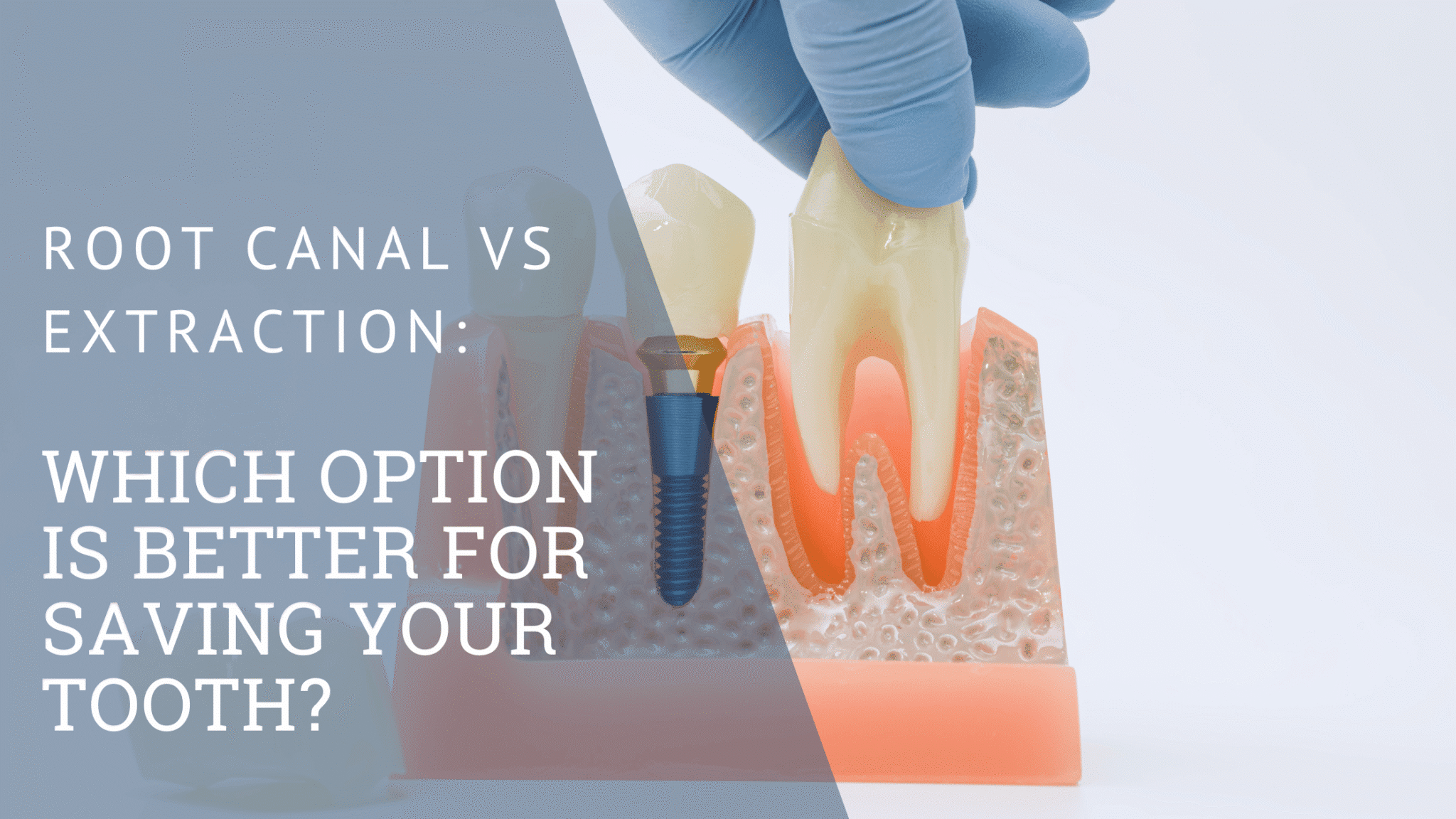
When Extraction Becomes Necessary
Although saving the tooth is always the goal, extraction may be recommended if:
-
The tooth has severe structural damage
-
Infection cannot be controlled
-
The tooth cannot be properly restored
If extraction is needed, we help patients understand their options and next steps.
Final Thoughts
A failed root canal can feel discouraging, but it does not mean all hope is lost. Many teeth with previous root canal treatment can be saved with timely retreatment or specialized care.
If you’re experiencing pain, swelling, or signs of reinfection, a thorough evaluation can help determine the best solution.