When people hear they need a molar root canal, they often wonder why treatment for back teeth can be more complex than treatment for front teeth. Molars play an important role in chewing and grinding food, but their internal structure is also more complicated.
A molar root canal is a specialized type of root canal treatment designed to remove infection from the inner canals of a back tooth while preserving the natural tooth structure. Because molars often contain multiple root canals and curved pathways, treating them requires advanced skill, specialized instruments, and modern endodontic technology.
Understanding why molar root canals are different can help patients feel more confident about their treatment and recovery.
What Is a Molar Root Canal?
A molar root canal is a procedure that removes infected pulp tissue from the inner canals of a molar tooth.
Molars are the large teeth located in the back of the mouth. They are responsible for grinding food and handling much of the pressure created during chewing.
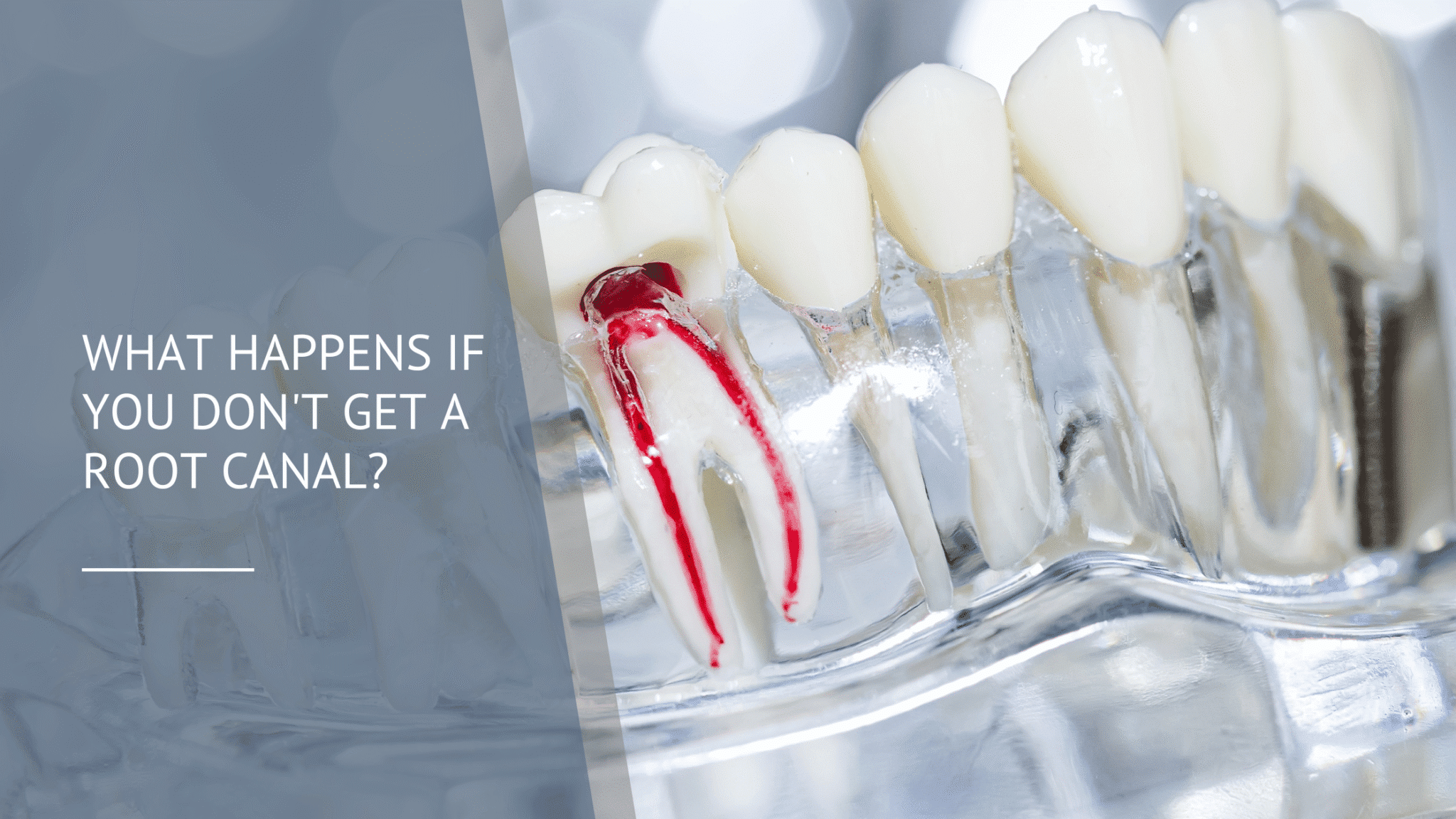
Inside each molar is a network of root canals that contain nerves and blood vessels. When bacteria reach the pulp through deep decay, cracks, or trauma, infection can develop. A molar root canal treatment removes the infected tissue, disinfects the canals, and seals the tooth to prevent further infection.
This procedure allows patients to keep their natural molar while eliminating the source of pain.
Why Molars Are More Complex Than Other Teeth
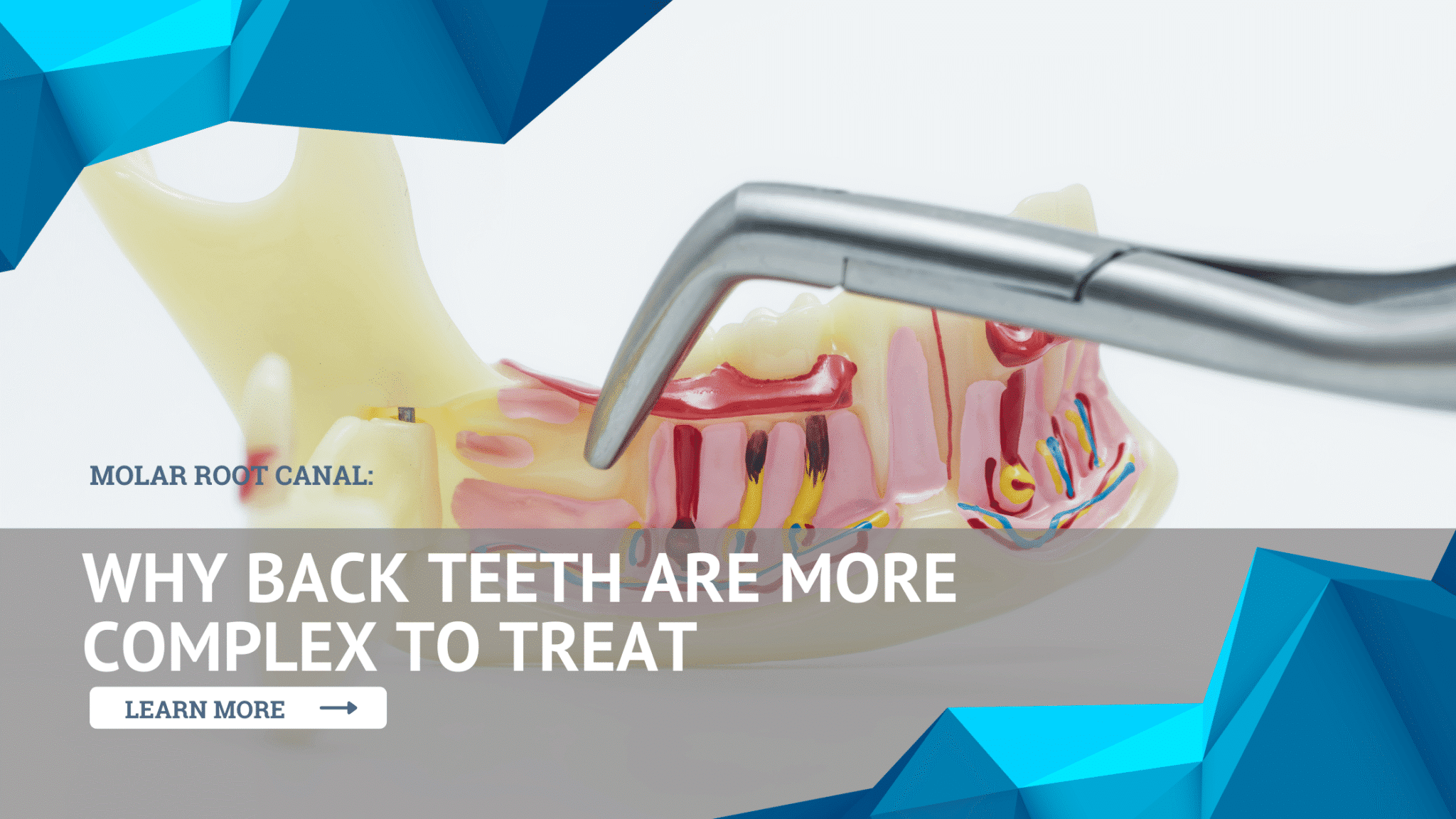
A molar canal is often more complicated than treating front teeth because molars typically have more canals and more complex anatomy.
Multiple Root Canals
Front teeth often have a single canal. Molars commonly have three or four canals, and sometimes even more.
Each canal must be carefully cleaned and disinfected during the root canal treatment.
Curved Canal Anatomy
Molars frequently contain curved or narrow canals. These curves require specialized instruments and advanced training to treat safely.
Harder-to-Reach Location
Because molars are located in the back of the mouth, they can be more difficult to access during treatment.
Endodontists use dental operating microscopes and specialized tools to perform precise molar root canal procedures.
Signs You May Need a Molar Root Canal
An infected molar often produces noticeable symptoms. Some of the most common warning signs include:
-
Persistent tooth pain
-
Sensitivity to hot or cold temperatures
-
Pain when chewing or biting
-
Swelling in the gums near the tooth
-
Darkening of the tooth
-
A small bump on the gums near the infected area
If you experience any of these symptoms, a dental evaluation can determine whether molar root canal treatment is necessary.
What Happens During a Molar Root Canal Treatment?
Aroot canal treatment typically involves several steps designed to remove infection and preserve the tooth.
Diagnosis and Imaging
The endodontist uses digital imaging and examination to identify infection and map the root canal system.
Removal of Infected Tissue
The infected pulp inside the molar is removed to eliminate bacteria and inflammation.
Cleaning the Canal System
Each canal is carefully cleaned and disinfected to remove bacteria and debris.
Sealing the Tooth
Once the canals are clean, the tooth is sealed to prevent future infection. In many cases, the tooth is later restored with a crown for strength.
This process helps preserve the natural tooth and restore normal function.
Cost of Molar Root Canal Treatment
Many patients ask about the cost of molar root canal treatment.
These procedures can vary depending on several factors, including:
-
The complexity of the tooth
-
The number of canals involved
-
Diagnostic imaging needed
-
Whether advanced technology is used
-
Insurance coverage
Molars tend to be more complex to treat, which is why the cost of molar root canal treatment may be slightly higher than treatment for front teeth.
However, preserving a natural tooth often helps patients avoid more expensive treatments such as dental implants or bridges.
Why Saving a Molar Is Important
Molars are essential for chewing and maintaining proper bite alignment. Losing a molar can lead to several long-term dental problems.
Saving the natural tooth through a root canal helps maintain:
-
Proper chewing function
-
Stability of surrounding teeth
-
Jawbone health
-
Natural bite alignment
For these reasons, dentists and endodontists often recommend root canal therapy whenever possible.
Modern Technology Makes Molar Root Canals More Predictable
Endodontists use advanced tools that improve the precision of molar root canal treatment.
These technologies may include:
-
dental operating microscopes
-
digital 3D imaging
-
advanced irrigation systems
-
laser-assisted endodontic technology
These tools help specialists locate hidden canals and thoroughly disinfect the tooth during treatment.
Frequently Asked Questions About Molar Root Canals
Are molar root canals more painful?
No. It is performed using local anesthesia, and most patients report that the procedure feels similar to getting a dental filling.
How long does a molar root canal take?
Because molars have multiple canals, a molar root canal treatment may take slightly longer than treatment for front teeth. Many procedures can still be completed in one visit.
Is the cost of molar root canal treatment higher?
Yes, the cost of procedures can be higher because molars often have more complex anatomy and require additional treatment time.
Can a molar last after a root canal?
Yes. With proper restoration and care, a tooth treated with a molar root canal can last many years and often a lifetime.
Protecting Your Natural Teeth
Root canal treatment is designed to eliminate infection while preserving your natural tooth. Modern endodontic care makes this procedure highly predictable and effective.
If you are experiencing tooth pain or symptoms of infection, early treatment can help prevent further complications and protect your smile.
Saving your natural tooth is always the goal whenever possible.