If you’re dealing with tooth pain—especially the kind that lingers, throbs, or wakes you up at night—you’re not alone. One of the most common reasons patients seek treatment is discomfort caused by infection deep inside the tooth.
The good news? A root canal is designed to eliminate that pain at the source—not cause it.
At Eastern Idaho Endodontics, we focus on helping patients understand what’s happening, what to expect, and how to find real, lasting relief. Let’s break down root canal pain, why it happens, and the best strategies to relieve it.
What Causes Root Canal Pain?
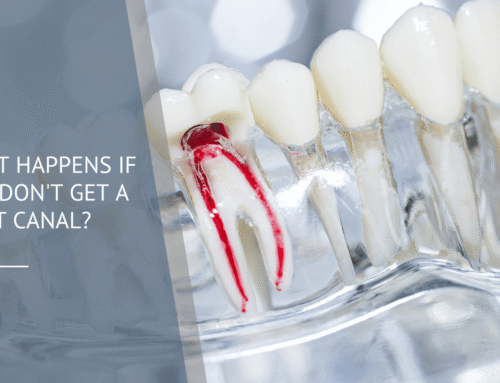
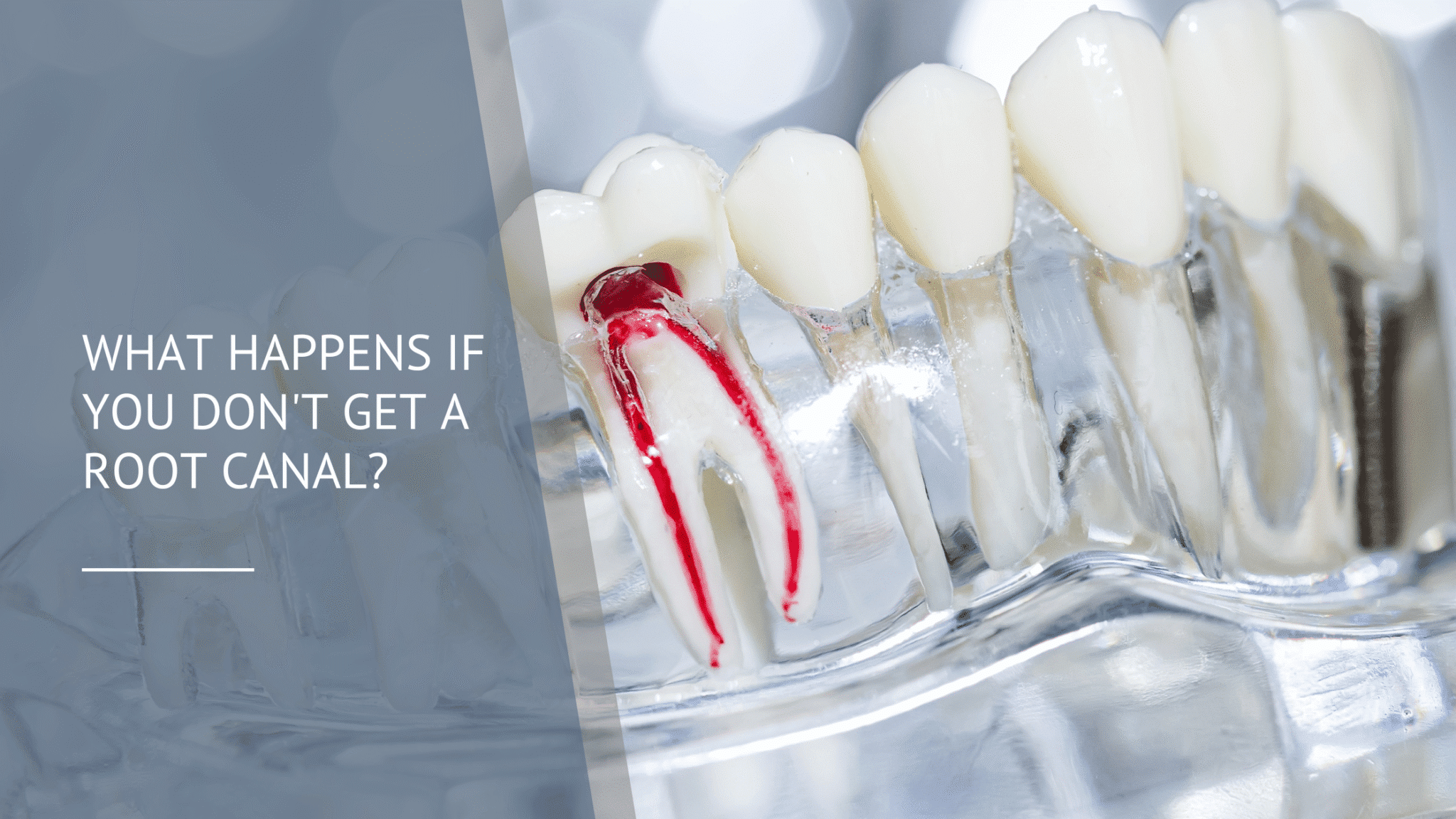
Root canal pain typically comes from inflammation or infection inside the tooth’s pulp—the soft tissue containing nerves and blood vessels.
Common causes include:
- Deep decay reaching the inner tooth
- Cracks or damage allowing bacteria in
- Repeated dental procedures on the same tooth
- Trauma or injury
Once the pulp becomes infected, pressure builds inside the tooth, leading to pain that often won’t go away on its own.
What Does Root Canal Pain Feel Like?
Every patient experiences it differently, but common symptoms include:
- Persistent or throbbing pain
- Sensitivity to hot or cold
- Pain when biting or chewing
- Swelling in the gums
- A small bump or “pimple” near the tooth
If you’re noticing these signs, your tooth may need professional evaluation.
Does a Root Canal Relieve Pain?
Yes—and that’s exactly what it’s designed to do.
A root canal removes the infected tissue inside the tooth, eliminates bacteria, and seals the space to prevent further issues. Once the source of infection is gone, the pain typically subsides.
Many patients are surprised to learn that a root canal actually relieves pain rather than causes it.
Strategies for Immediate Relief Before Treatment
If you’re waiting for your appointment, there are ways to manage discomfort in the meantime.
1. Over-the-Counter Pain Relief
Medications like ibuprofen or acetaminophen can help reduce inflammation and manage pain.
2. Avoid Trigger Foods
Stay away from very hot, cold, or hard foods that may aggravate the tooth.
3. Use a Cold Compress
Applying a cold pack to the outside of your cheek can help reduce swelling and numb the area.
4. Keep the Area Clean
Gentle brushing and flossing help prevent additional irritation or infection.
5. Elevate Your Head While Sleeping
This can reduce pressure in the affected area and help minimize throbbing sensations.
What to Expect After a Root Canal
After treatment, it’s normal to experience mild soreness for a few days as the surrounding tissue heals.
Common post-treatment sensations include:
- Slight tenderness when chewing
- Mild sensitivity
- Temporary inflammation
These symptoms are typically manageable and improve quickly with proper care.
Post-Treatment Pain Relief Tips
To support healing after your procedure:
- Take recommended medications as directed
- Avoid chewing on the treated tooth until fully restored
- Maintain good oral hygiene
- Attend follow-up appointments
Most patients return to normal activities within a day or two.
When Pain Doesn’t Go Away
In rare cases, pain may persist after treatment. This could be due to:
- Complex root anatomy
- Residual infection
- Bite alignment issues
If discomfort continues, it’s important to follow up so the issue can be addressed promptly.
Why Choosing a Specialist Matters
Root canal pain can be complex—and treating it effectively requires precision.
At Eastern Idaho Endodontics, we use:
- Advanced imaging for accurate diagnosis
- Modern techniques for thorough cleaning
- A patient-first approach focused on comfort
This ensures we not only treat the problem—but help prevent it from coming back.
Relief Starts with the Right Care
Tooth pain can disrupt your daily life—but it doesn’t have to last.
With the right diagnosis and treatment, root canal therapy provides real, lasting relief by addressing the source of the problem. And with today’s modern techniques, the process is far more comfortable than most people expect.
If you’re experiencing ongoing tooth pain, the best step you can take is to get it evaluated early.
FAQs About Root Canal Pain
Is root canal pain worse at night?
It can feel more intense at night due to increased blood flow and pressure when lying down.
How long does pain last before a root canal?
It varies, but persistent pain usually indicates the need for treatment.
Is the procedure painful?
Modern root canals are designed to be comfortable, with most patients feeling little to no pain during treatment.
How long does soreness last after treatment?
Mild soreness typically lasts a few days and improves quickly.
Can I go back to work after a root canal?
Yes, most patients return to normal activities the same day or the next.