When you hear the words root canal, the goal is simple—relieve pain, eliminate infection, and save your natural tooth. And in the vast majority of cases, root canal therapy is highly successful. But what happens when a root canal doesn’t go as planned?
At Eastern Idaho Endodontics, we believe informed patients make confident decisions. Let’s take a closer look at why root canals can fail, what signs to watch for, and how to prevent complications moving forward.
What Is Root Canal Failure?
Root canal failure occurs when a treated tooth does not heal properly or becomes reinfected after the procedure. While success rates for root canals are typically above 90%, there are situations where additional care is needed.
This doesn’t mean the treatment “failed” due to poor care—it often comes down to the complexity of the tooth or factors beyond initial control.
Common Causes of Root Canal Failure
Understanding the why behind root canal failure helps patients take proactive steps.
1. Missed Canals
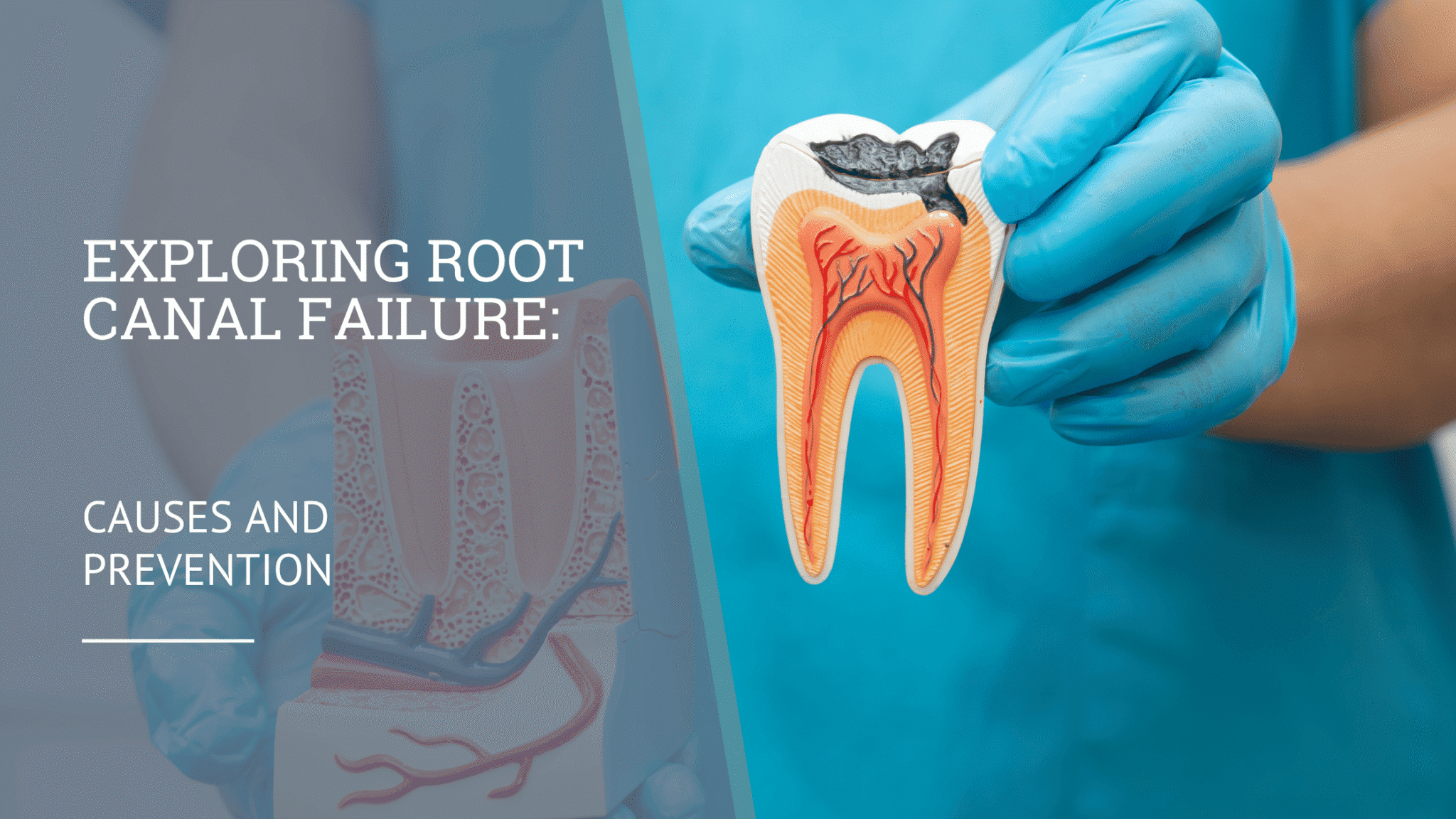
Teeth—especially molars—can have complex internal anatomy. Some canals may be extremely narrow or hidden, making them difficult to detect during the initial procedure.
If bacteria remain in an untreated canal, infection can persist.
2. Delayed Crown Placement
After a root canal, placing a crown is critical to protect the tooth. Delays can leave the tooth vulnerable to:
- Reinfection
- Structural damage
- Breakdown of the temporary seal
3. New Decay or Damage
Even after treatment, teeth are still susceptible to decay. If a new cavity forms or the tooth becomes damaged, bacteria can re-enter and cause reinfection.
4. Cracked Tooth Structure
Sometimes, tiny fractures in the tooth can go unnoticed. These cracks can allow bacteria to seep in over time, leading to failure.
5. Complex Root Anatomy
Some teeth have curved or unusually shaped canals that are difficult to fully clean and seal. This is one of the most common reasons retreatment may be needed.
6. Incomplete Healing
In certain cases, the body may not fully heal around the treated tooth, especially if infection had spread significantly before treatment.
Signs Your Root Canal May Be Failing
Not all failures are immediate. In fact, symptoms can appear months—or even years—later.
Watch for:
- Persistent or returning pain
- Sensitivity when chewing
- Swelling in the gums
- A recurring pimple-like bump near the tooth
- Discoloration of the tooth
If you notice any of these symptoms, it’s important to seek evaluation promptly.
How Root Canal Failure Is Treated
The good news? A failed root canal doesn’t mean losing your tooth.
Endodontic Retreatment
This involves reopening the tooth, removing the previous filling material, cleaning the canals again, and resealing them.
Apicoectomy (Surgical Treatment)
In cases where retreatment isn’t sufficient, a minor surgical procedure may be performed to remove infection at the tip of the root.
Advanced Technology Matters
Modern advancements—like laser-assisted cleaning and enhanced imaging—allow for greater precision and improved outcomes in complex cases.
How to Prevent Root Canal Failure
Prevention starts with both expert care and patient follow-through.
Choose a Specialist
Working with an endodontist ensures you’re receiving care from a provider who specializes in root canal therapy and complex tooth anatomy.
Don’t Skip the Crown
A permanent crown protects your tooth from reinfection and structural damage. This step is just as important as the root canal itself.
Maintain Excellent Oral Hygiene
Brush, floss, and attend regular dental checkups to prevent new decay from forming.
Address Symptoms Early
The sooner a potential issue is identified, the easier it is to treat and preserve your tooth.
Why Expertise Makes the Difference
At Eastern Idaho Endodontics, we focus exclusively on saving natural teeth. That means:
- Advanced diagnostic imaging
- Precision-focused treatment
- Experience handling complex and retreatment cases
Our goal is not just to treat the problem—but to prevent future complications and give your tooth the best chance for long-term success.
Saving Your Tooth Is Still Possible
A root canal failure can feel discouraging—but it’s far from the end of the road. With the right approach, most teeth can be successfully retreated and preserved for years to come.
If something doesn’t feel right after a previous root canal, trust your instincts and get it checked. Early action can make all the difference.
FAQs About Root Canal Failure
How common is root canal failure?
Root canal procedures are successful in over 90% of cases. Failures are relatively rare but can happen due to complex anatomy or reinfection.
Can a failed root canal be fixed?
Yes. Most failed root canals can be corrected with retreatment or a minor surgical procedure.
Is retreatment painful?
Retreatment is typically no more uncomfortable than the original procedure, thanks to modern techniques and anesthesia.
How long does a root canal last?
With proper care and restoration (like a crown), a root canal-treated tooth can last a lifetime.
When should I see a specialist?
If you’re experiencing pain, swelling, or changes in a previously treated tooth, it’s best to consult an endodontist as soon as possible.