The role of an endodontist is often misunderstood. While many dentists can perform root canal therapy, endodontists are specialists who focus specifically on diagnosing tooth pain and treating problems inside the tooth. Their advanced training and technology allow them to perform root canal procedures with exceptional precision and care.
When most people hear the words root canal, they often think about a general dental procedure designed to relieve tooth pain. While many dentists can perform root canals, endodontists are specialists specifically trained to diagnose tooth pain and perform root canal therapy with advanced precision.
Understanding the role of an endodontist can help patients feel more confident about their treatment decisions and know they are receiving expert care when dealing with complex tooth problems.
What Is an Endodontist?
An endodontist is a dentist who has completed two or more additional years of specialized training focused on diagnosing and treating issues inside the tooth, particularly the dental pulp and root canal system.
This advanced education allows endodontists to:
-
Diagnose complex tooth pain
-
Perform root canal therapy
-
Treat dental trauma
-
Manage infections inside the tooth
-
Perform retreatment when a previous root canal hasn’t healed properly
While general dentists handle many types of dental care, endodontists focus almost entirely on saving natural teeth through specialized procedures.
Why Root Canal Therapy Requires Specialized Expertise
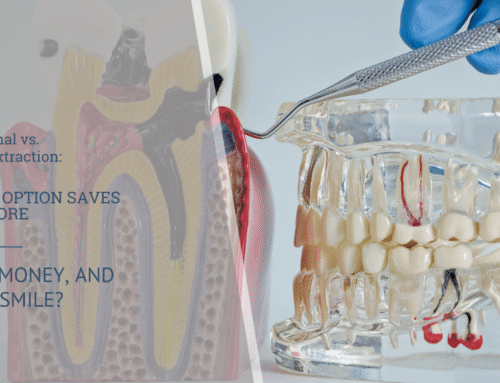
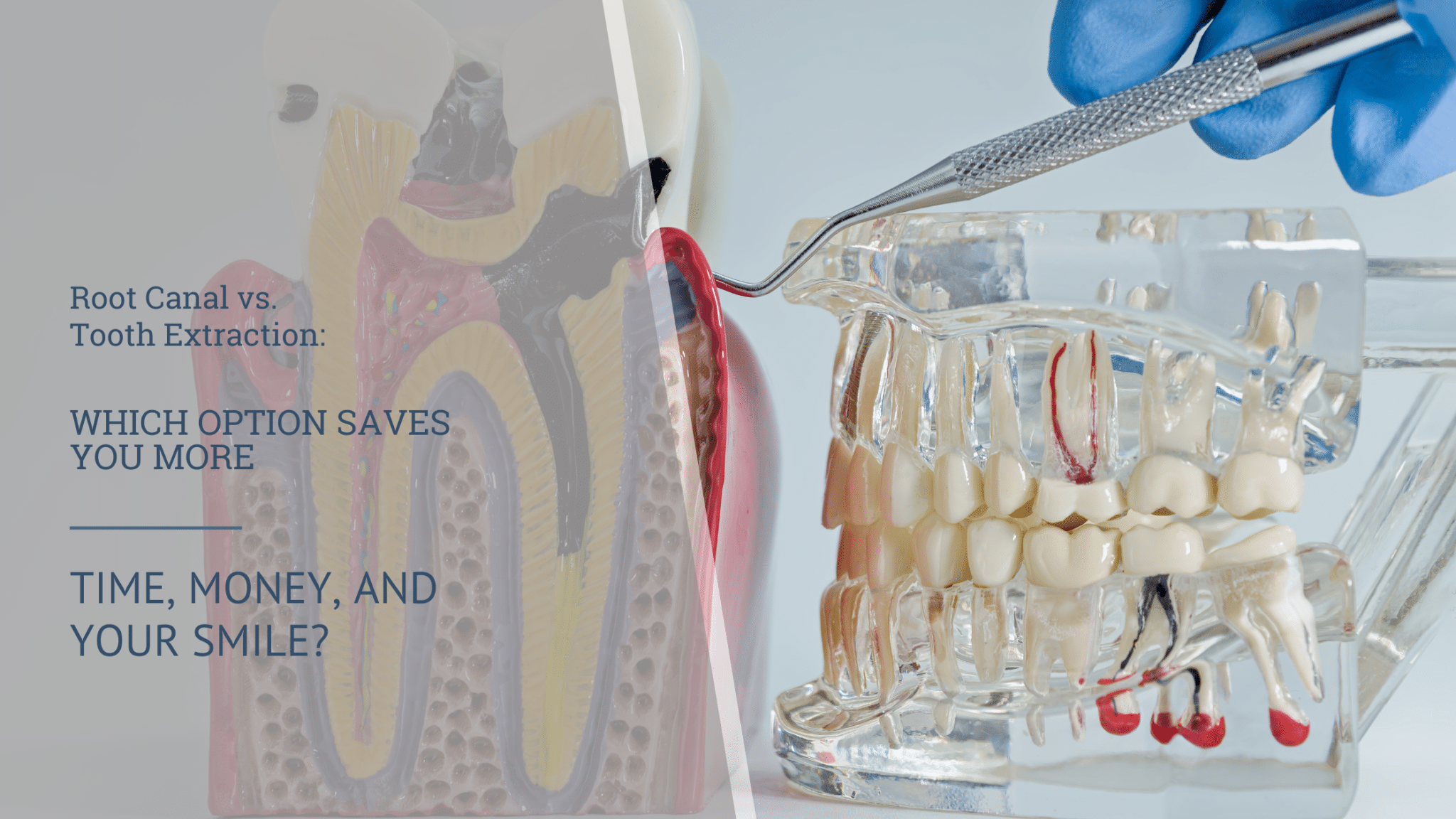
Inside every tooth is a small chamber containing soft tissue called dental pulp. This pulp contains nerves, blood vessels, and connective tissue. When the pulp becomes infected or inflamed, it can cause severe pain and may lead to an abscess if untreated.
Root canal therapy removes the infected tissue, cleans the inside of the tooth, and seals it to prevent further infection.
However, root canal systems can be extremely complex, with tiny canals that branch in different directions. Successfully treating these structures requires specialized tools, training, and experience.
That’s where endodontists make a significant difference.
Advanced Training Focused on Root Canal Procedures
Endodontists spend years studying the internal anatomy of teeth and advanced root canal techniques. During their specialty training, they perform hundreds of root canal procedures, gaining experience that goes far beyond standard dental training.
Because of this focused expertise, endodontists are often the preferred choice for:
-
Difficult or curved root canal systems
-
Teeth with multiple canals
-
Persistent tooth infections
-
Previously treated teeth that need retreatment
-
Traumatic dental injuries
Their specialized training allows them to manage challenging cases that require a higher level of precision.
Specialized Technology Used by Endodontists
One of the key differences between general dentistry and endodontic care is the use of advanced technology designed specifically for root canal procedures.
Many endodontic practices use tools such as:
Dental Operating Microscopes
These high-powered microscopes allow endodontists to see inside the tooth with exceptional detail. This helps them locate tiny canals that might otherwise be missed.
Digital 3D Imaging
Cone beam CT scans provide a three-dimensional view of the tooth and surrounding bone, allowing endodontists to diagnose infections and identify hidden anatomy before treatment begins.
Precision Endodontic Instruments
Specialized instruments allow for more accurate cleaning and shaping of the root canal system while preserving the structure of the tooth.
These technologies help improve treatment success rates and allow for more comfortable, efficient procedures.
Endodontists Perform Root Canals Every Day
Another factor that sets endodontists apart is experience.
While general dentists may perform root canals occasionally, endodontists perform them daily. This repetition allows them to develop a deep level of skill and efficiency in managing different types of cases.
Because of this focused practice, patients often benefit from:
-
Faster procedures
-
Increased treatment accuracy
-
Greater comfort during treatment
-
Higher long-term success rates
For many patients, seeing an endodontist means receiving care from someone who specializes exclusively in saving natural teeth.
When You May Be Referred to an Endodontist
Many patients are referred to an endodontist by their general dentist when a tooth problem requires specialized care.
Common reasons for referral include:
-
Severe tooth pain or sensitivity
-
Deep infection inside the tooth
-
Complicated root canal anatomy
-
Cracked or traumatized teeth
-
A previous root canal that needs retreatment
-
Persistent infection or abscess
Working together with your general dentist, an endodontist helps ensure the tooth receives the best possible care.
Saving Natural Teeth Is the Primary Goal
One of the main goals of endodontic care is preserving natural teeth whenever possible.
Keeping your natural tooth offers several advantages:
-
Maintains natural chewing ability
-
Preserves normal bite alignment
-
Prevents neighboring teeth from shifting
-
Helps maintain jawbone health
-
Avoids more extensive dental procedures
With modern techniques and technology, root canal therapy is often a predictable and effective way to eliminate infection while preserving your natural smile.
Modern Root Canal Therapy Is More Comfortable Than Ever
A common misconception is that root canal procedures are painful. In reality, modern root canal therapy is designed to relieve pain—not cause it.
Advances in anesthesia, imaging technology, and treatment techniques allow endodontists to perform procedures with minimal discomfort.
Many patients report that the experience feels similar to receiving a routine dental filling.
Trust a Specialist When Your Tooth Needs Advanced Care
When a tooth becomes infected or damaged internally, receiving specialized treatment can make all the difference. Endodontists are uniquely trained to diagnose complex dental pain and perform root canal therapy with a high level of precision.
Their advanced training, technology, and experience allow them to focus on one primary goal: saving your natural teeth whenever possible.
If you’ve been told you may need a root canal or are experiencing persistent tooth pain, consulting with an endodontic specialist can help you receive the expert care needed to restore your oral health and comfort.