Online Payment
Request an Appointment

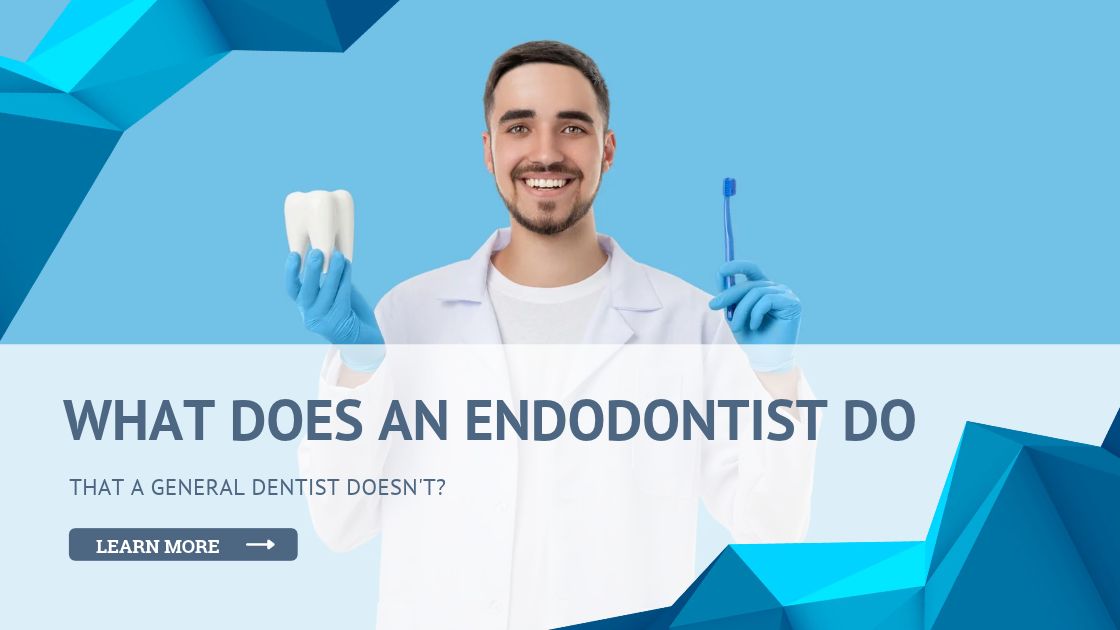
What Does an Endodontist Do That a General Dentist Doesn’t?

When you have a toothache or need a root canal, you may wonder whether to visit your regular dentist or an endodontist. Understanding the difference between an endodontist vs dentist can help you make an informed decision about your dental care. Both professionals play important roles in keeping your teeth healthy. However, endodontists have additional training focused on diagnosing tooth pain and treating problems inside the tooth. At Eastern Idaho Endodontics, we specialize in helping patients throughout Eastern Idaho and Western Wyoming save their natural teeth whenever possible. Let's explore what an endodontist does, how their training differs, and when

2026-11-17T15:01:10+00:00November 24th, 2026|Endodontics|

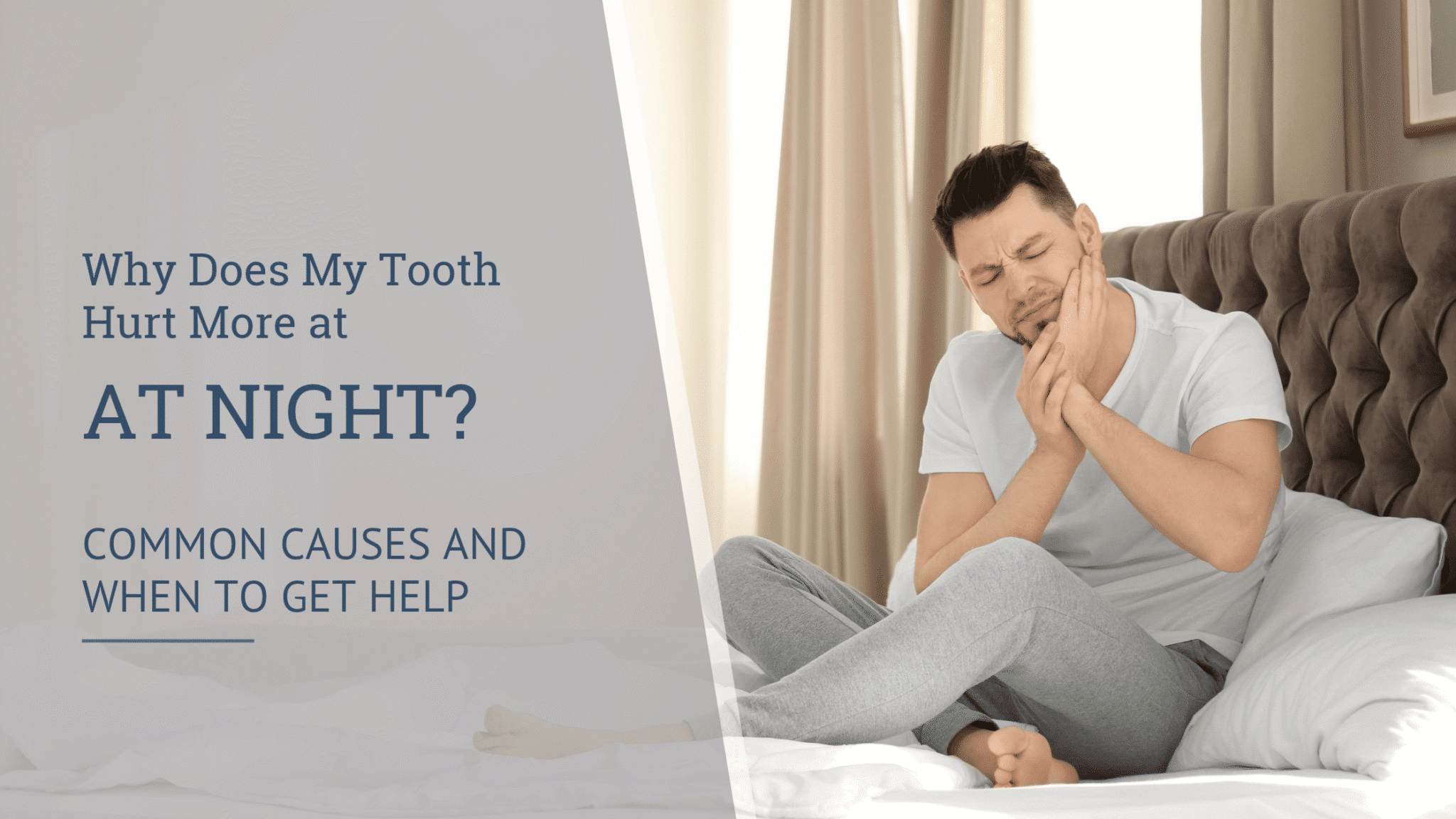
Why Does My Tooth Hurt More at Night? Common Causes and When to Get Help

A toothache at night can make it difficult to relax, fall asleep, or get comfortable. You may feel fine throughout the day, only to notice throbbing tooth pain once your head hits the pillow. Sometimes, the discomfort becomes more intense when you lie down. If you've ever wondered, "Why does my tooth hurt more at night?" you're not alone. Nighttime tooth pain is a common concern, and several dental conditions can cause it. At Eastern Idaho Endodontics, we help patients throughout Eastern Idaho and Western Wyoming understand the source of their tooth pain. While not every toothache requires a root

2026-11-17T15:11:37+00:00November 17th, 2026|Endodontics, tooth pain|

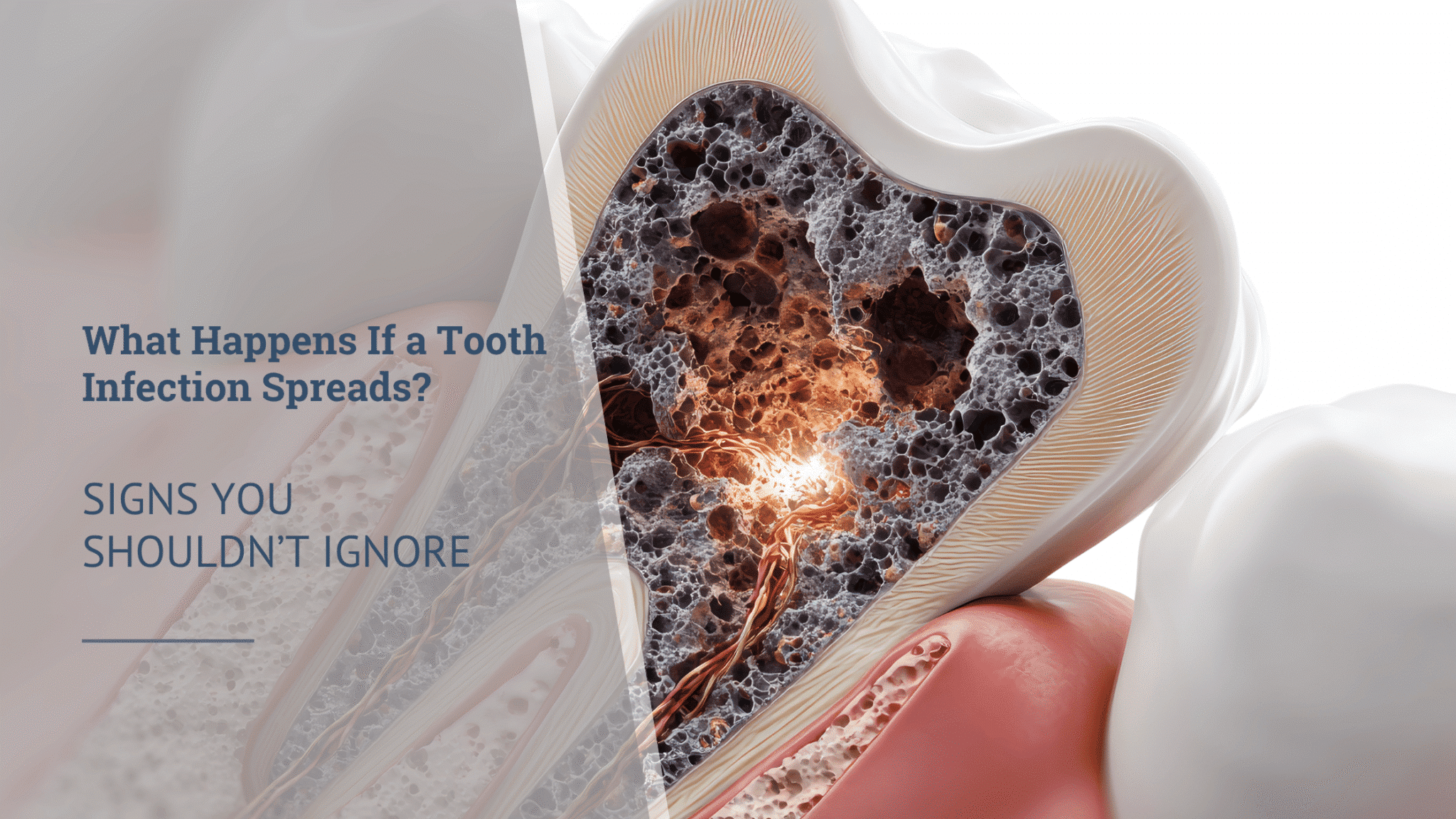
What Happens If a Tooth Infection Spreads? Signs You Shouldn’t Ignore

A toothache is never fun. But what happens when an infection inside your tooth starts spreading beyond the tooth itself? Can it affect your gums, jaw, or even other parts of your body? The short answer is yes. A tooth infection can spread into the surrounding tissues and, in some cases, lead to serious health problems. While many dental infections remain localized, ignoring symptoms can allow an infection to become more difficult to treat. The good news? Recognizing the warning signs and seeking care early can help prevent complications. At Eastern Idaho Endodontics, we specialize in diagnosing and treating infections

2026-10-12T19:25:30+00:00October 16th, 2026|Endodontics, root canal treatment, tooth pain|

Why Does My Root Canal Tooth Hurt Years Later?

A root canal is designed to remove infected or damaged tissue from inside a tooth and help you keep your natural tooth. In many cases, a treated tooth can function normally for years. So, what does it mean when a root canal tooth hurts years later? New pain does not always mean the original root canal failed. Several things can cause discomfort in or around a previously treated tooth. For example, a new infection, a crack, problems with the restoration, or changes in the surrounding tissues may be responsible. Most importantly, pain that returns months or years after treatment deserves

2026-10-07T18:20:06+00:00September 1st, 2026|Endodontics, tooth pain|

What Does an Endodontist Actually Do? (Hint: It’s Much More Than Root Canals)

If you've been referred to an endodontist, you may be wondering exactly what that means. Many people assume an endodontist is simply "the root canal doctor." While root canal treatment is certainly one of the most common procedures we perform, it's only part of what we do. Endodontists are specialists trained to diagnose tooth pain, treat diseases and injuries affecting the inside of the tooth, and save natural teeth whenever possible. So, what does an endodontist actually do? Let's take a closer look. What Is an Endodontist? An endodontist is a dentist who completes two or more years of advanced

2026-10-07T18:20:06+00:00August 19th, 2026|Endodontics|

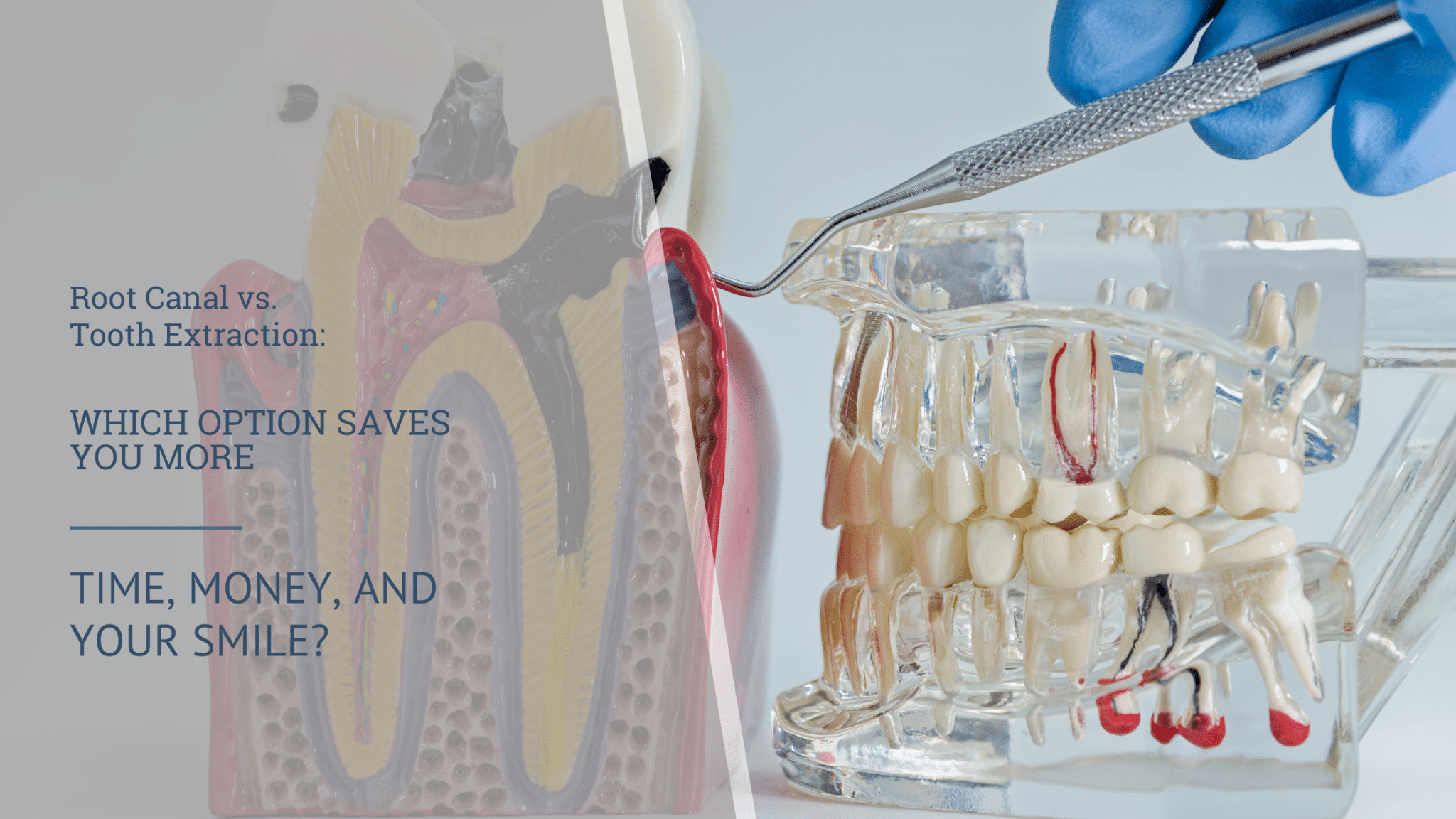
Root Canal vs. Tooth Extraction: Which Option Saves You More Time, Money, and Your Smile?

When you're dealing with severe tooth pain, you may assume the easiest solution is to have the tooth removed. In reality, that's not always the best option. One of the most common questions patients ask is, "Should I get a root canal or have the tooth extracted?" The answer depends on the condition of your tooth, but whenever possible, saving your natural tooth is almost always the preferred choice. At Eastern Idaho Endodontics, our goal is to preserve your natural smile whenever it's possible to do so. Here's what you should know when comparing a root canal vs. tooth extraction.

2026-10-07T18:20:07+00:00August 15th, 2026|Endodontics, Root Canal Therapy|

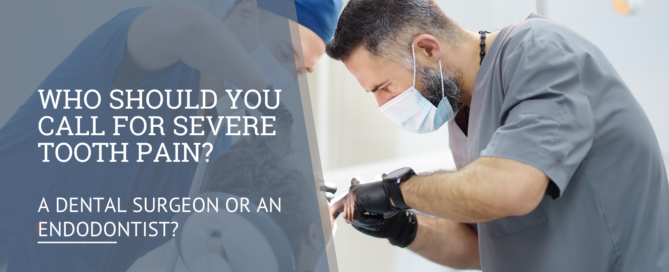
Who Should You Call for Severe Tooth Pain? A Dental Surgeon or an Endodontist?

When severe tooth pain strikes, most people do exactly what you'd expect—they search online for "dental surgeon near me." But is a dental surgeon actually the specialist you need? The answer depends on what's causing your pain. While oral surgeons and endodontists are both dental specialists, they treat very different conditions. Knowing who to call can help you get relief faster, save your natural tooth whenever possible, and avoid unnecessary procedures. Here's how to know which specialist is right for you. First Things First: What Is an Endodontist? An endodontist is a dentist who has completed two or more additional

2026-10-07T18:20:07+00:00August 4th, 2026|Endodontics|

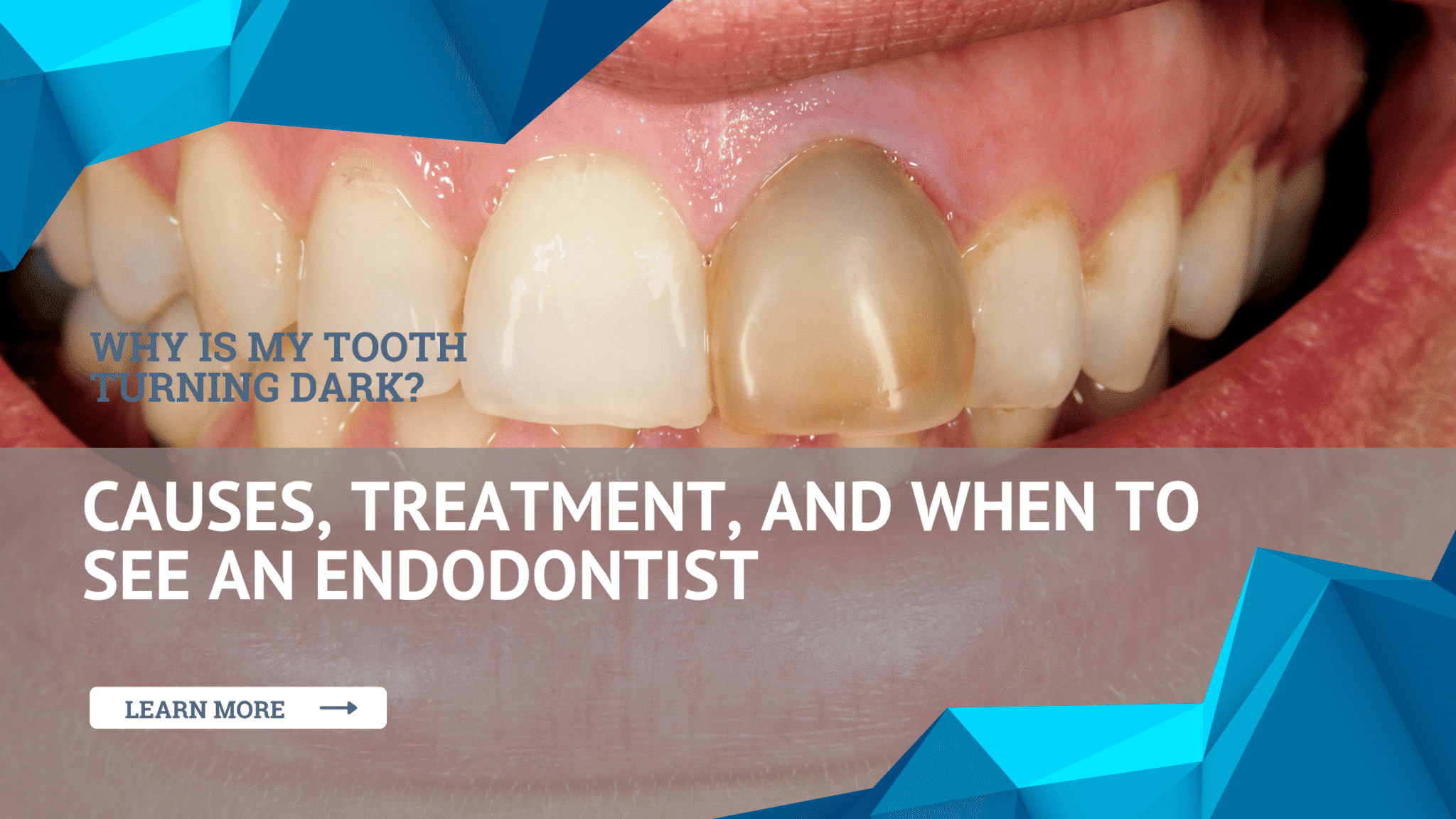
Why Is My Tooth Turning Dark? Causes, Treatment, and When to See an Endodontist

Most people expect a dental problem to come with pain. However, sometimes the first sign that something is wrong is a change in color. If one tooth suddenly looks darker than the others, you may be wondering what happened. While not every discolored tooth is a serious problem, a gray, yellow, or dark tooth can sometimes signal damage deep inside the tooth. Understanding the possible causes of tooth discoloration after trauma can help you know when it's time to seek treatment. Why Is My Tooth Turning Dark? A tooth can change color for many reasons. In some cases, discoloration is

2026-10-07T18:20:07+00:00July 24th, 2026|Endodontics|

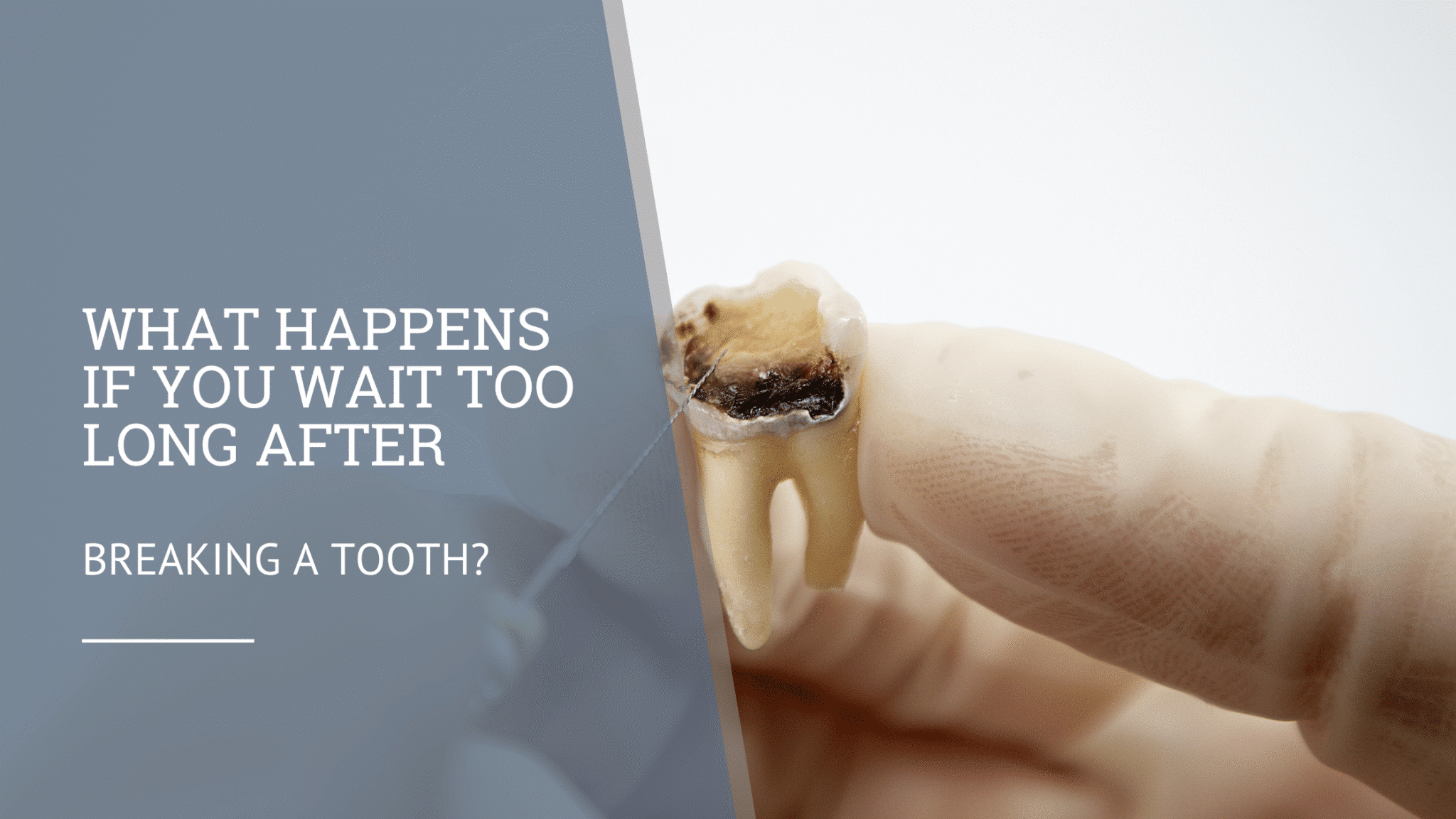
What Happens If You Wait Too Long After Breaking a Tooth?

A chipped or broken tooth can happen when you least expect it. Maybe you bit into something hard, took an elbow during a game, or simply noticed a crack while brushing your teeth. If the tooth does not hurt, it can be tempting to put off treatment. However, waiting too long after breaking a tooth can allow the problem to worsen beneath the surface. In some cases, what starts as a small crack can eventually lead to infection, significant pain, or the need for a broken tooth root canal. The good news is that prompt treatment often helps save your

2026-10-07T18:20:08+00:00July 13th, 2026|Cracked Teeth, Endodontics|

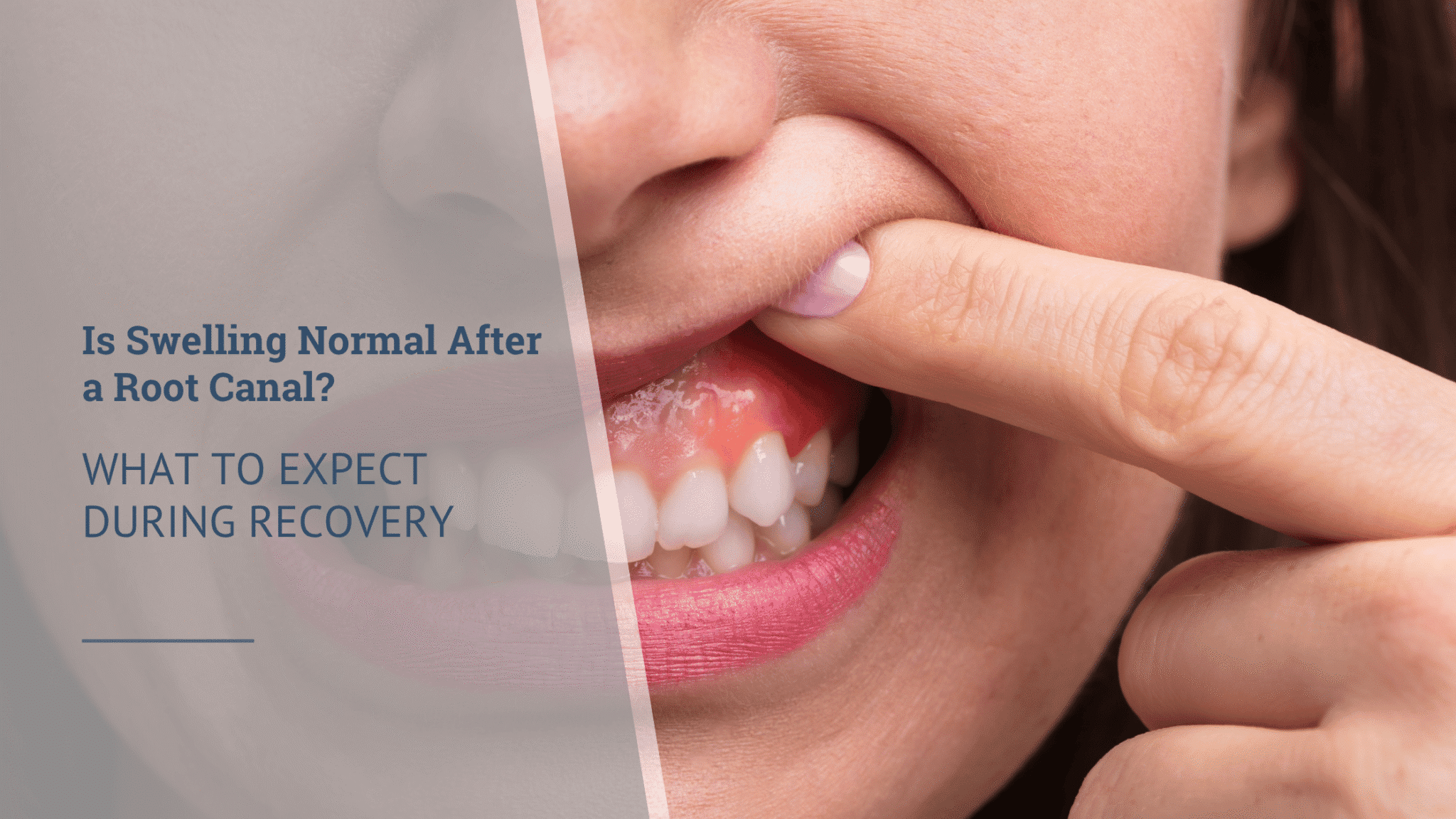
Is Swelling Normal After a Root Canal? What to Expect During Recovery

A root canal removes bacteria and infected tissue from inside the tooth. Although the source of the infection has been treated, the surrounding tissues may still be inflamed as your body begins healing. Swelling is often more noticeable if: The tooth had a significant infection. An abscess was present. There was swelling before treatment. The surrounding tissues were already irritated. This inflammatory response is your body's natural way of repairing damaged tissue.   How Much Swelling Is Normal? For most patients, swelling is mild. You may notice: Slight puffiness around the treated tooth Mild tenderness when chewing Minor gum inflammation

2026-10-07T18:20:08+00:00July 10th, 2026|Endodontics|
Go to Top