When a tooth becomes severely infected or damaged, patients often face an important decision: root canal vs extraction. Both treatments can address dental infection, but they serve very different purposes.
A root canal focuses on saving the natural tooth, while an extraction removes the tooth entirely. Understanding the differences between these two treatments can help you make the best decision for your oral health.
In many cases, dentists and endodontists recommend root canal therapy whenever possible because preserving the natural tooth often leads to better long-term outcomes.
What Is a Root Canal?
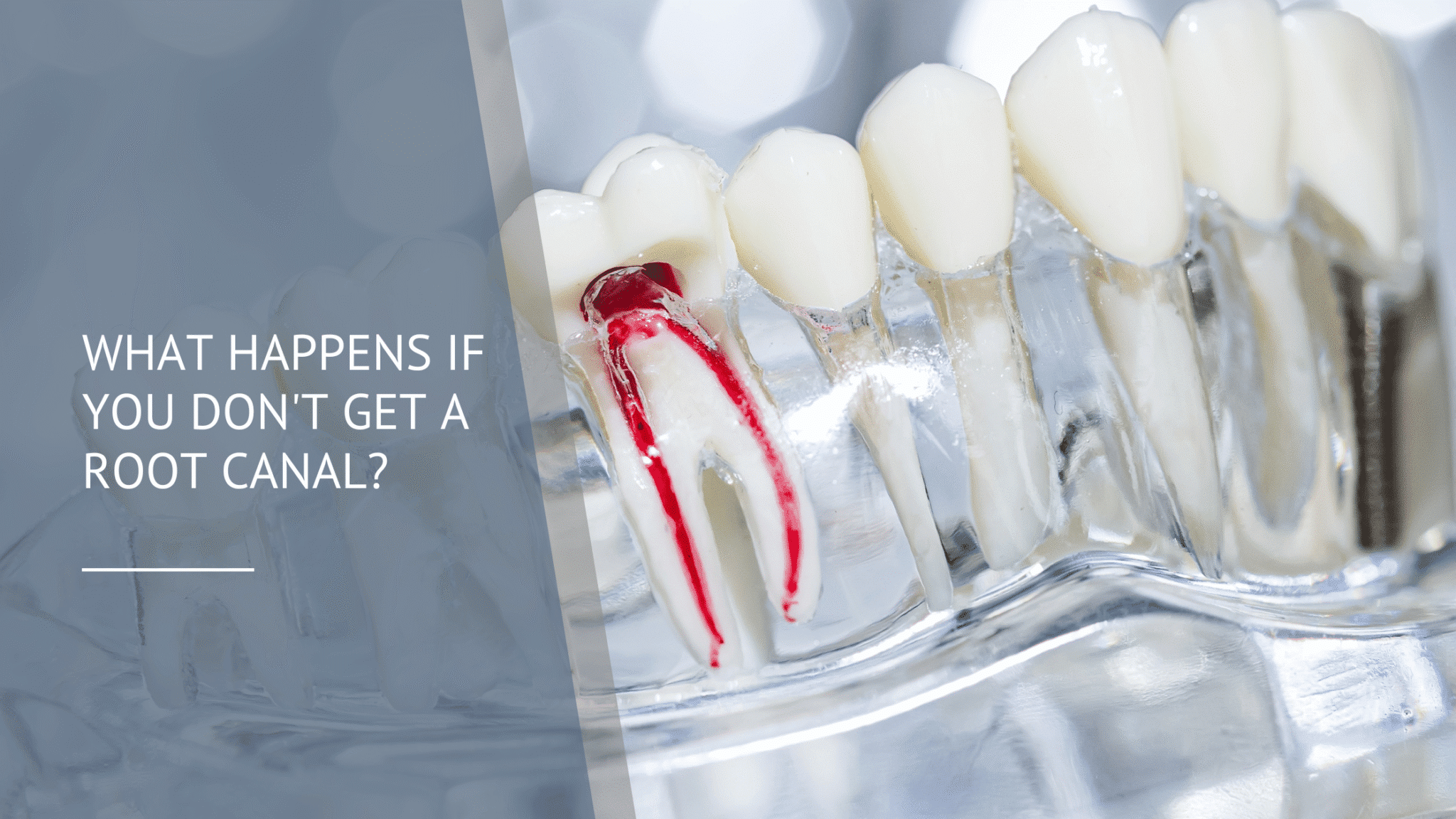
A root canal is a procedure designed to remove infection from inside a tooth while preserving the outer structure.
Inside every tooth is soft tissue called the dental pulp, which contains nerves and blood vessels. When this tissue becomes infected, it can cause severe pain, swelling, and sensitivity.
During root canal treatment, the endodontist:
-
Removes the infected pulp
-
Cleans and disinfects the root canal system
-
Seals the tooth to prevent reinfection
-
Prepares the tooth for a final restoration, often a crown
Root canal therapy allows patients to keep their natural tooth while eliminating infection.
What Happens During a Tooth Extraction?
Tooth extraction involves removing the entire tooth from the jawbone.
Extraction may be recommended when:
-
A tooth is too damaged to restore
-
Severe fractures extend below the gum line
-
Advanced gum disease has weakened the tooth’s support
-
The infection cannot be treated through other procedures
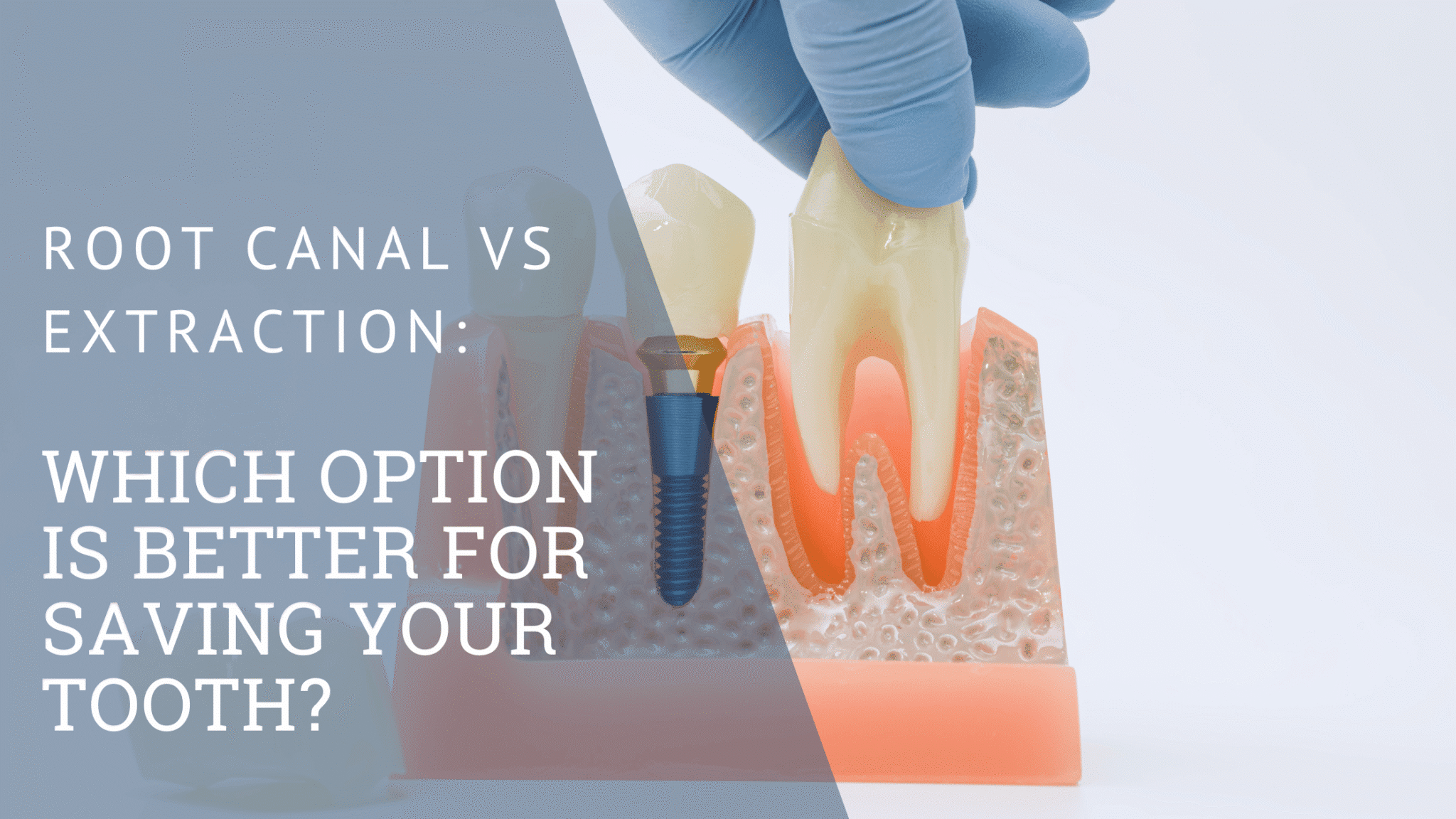
After a tooth is removed, many patients must consider replacement options such as a dental implant, bridge, or partial denture to restore function.
This is why the decision between root canal vs extraction is so important.
Root Canal vs Extraction: Key Differences
Understanding the differences between these treatments can help clarify why saving the natural tooth is often preferred.
Preserving the Natural Tooth
One of the biggest advantages in the root canal vs extraction discussion is tooth preservation.
Root canal therapy allows patients to keep their natural tooth structure, which helps maintain proper bite alignment and chewing ability.
Extraction removes the tooth completely, which can lead to shifting teeth and changes in the bite over time.
Long-Term Oral Health
Saving a natural tooth with a root canal often helps maintain the stability of surrounding teeth.
When a tooth is extracted, the surrounding bone may begin to shrink over time. This can affect neighboring teeth and sometimes require additional treatments like implants or bone grafting.
Treatment Complexity
In many cases, a root canal can be completed in one or two appointments.
An extraction may seem simpler at first, but replacing the missing tooth with an implant or bridge can require multiple procedures and several months of healing.
Cost Considerations
Many patients compare root canal vs extraction when thinking about cost.
While an extraction may initially appear less expensive, replacing the tooth with a dental implant or bridge can significantly increase the total cost of treatment.
Saving the natural tooth with a root canal can often be the most cost-effective long-term option.
Root Canal or Implant: Which Is Better?
Another common question patients ask is whether they should choose a root canal or implant.
Dental implants are excellent solutions for replacing missing teeth, but they are typically recommended after a tooth has already been lost or extracted.
Whenever possible, dental professionals prefer to preserve the natural tooth. Natural teeth provide advantages that artificial replacements cannot fully replicate.
A healthy natural tooth helps maintain:
-
Natural chewing function
-
Jawbone strength
-
Proper bite alignment
-
Long-term oral stability
For these reasons, dentists and endodontists often recommend root canal therapy before considering tooth removal.
Is Root Canal Better Than Extraction?
Many patients ask, is root canal better than extraction?
In most cases, the answer is yes.
A root canal allows you to keep your natural tooth while eliminating infection and relieving pain. Preserving the tooth helps maintain normal chewing, protects surrounding teeth, and avoids the need for more complex replacement procedures.
However, every case is unique. If a tooth is severely damaged or cannot be restored, extraction may be the most appropriate treatment.
An endodontic specialist can evaluate the condition of your tooth and recommend the best option.
Signs You May Need a Root Canal Instead of an Extraction
Certain symptoms may indicate that a root canal could save the tooth.
Common warning signs include:
-
Persistent tooth pain
-
Sensitivity to hot or cold temperatures
-
Swelling around the tooth or gums
-
Darkening of the tooth
-
Pain when chewing or biting
Early diagnosis is important. Treating infection early can often prevent the need for extraction.
Saving Natural Teeth Is Always the Goal
When comparing root canal vs extraction, the goal of modern endodontic care is clear: preserve natural teeth whenever possible.
Root canal therapy has a high success rate and can allow a treated tooth to last many years, often for a lifetime with proper care.
If you are experiencing tooth pain or have been told you may need treatment, consulting an endodontist can help you understand whether saving the tooth is possible.
Protecting your natural smile is always the priority.
Frequently Asked Questions
Is a root canal better than extraction?
In most cases, yes. Root canal therapy removes infection while preserving the natural tooth, which helps maintain normal bite alignment and oral health.
When is extraction better than a root canal?
Extraction may be necessary when a tooth is severely damaged, fractured below the gum line, or cannot be restored with endodontic treatment.
Is a root canal or implant better?
A natural tooth is usually the best option when it can be saved. However, implants are a strong replacement option when a tooth must be extracted.
How long does a root canal last?
With proper care and restoration, a tooth treated with a root canal can often last many years or even a lifetime.