A cracked or broken tooth can happen in an instant. Whether you bit down on something hard, took a hit during a sporting event, or experienced an unexpected fall, the damage may seem minor at first—but it can quickly turn into a serious dental emergency.
One of the biggest questions patients ask is:
“Do I need a root canal for a cracked tooth?”
The answer depends on how deep the fracture extends. While some cracked teeth only require a filling or crown, others can expose or damage the nerve inside the tooth, making root canal treatment necessary to save it.
Knowing the warning signs can help you seek treatment before the damage becomes irreversible.
What Is a Tooth Fracture?
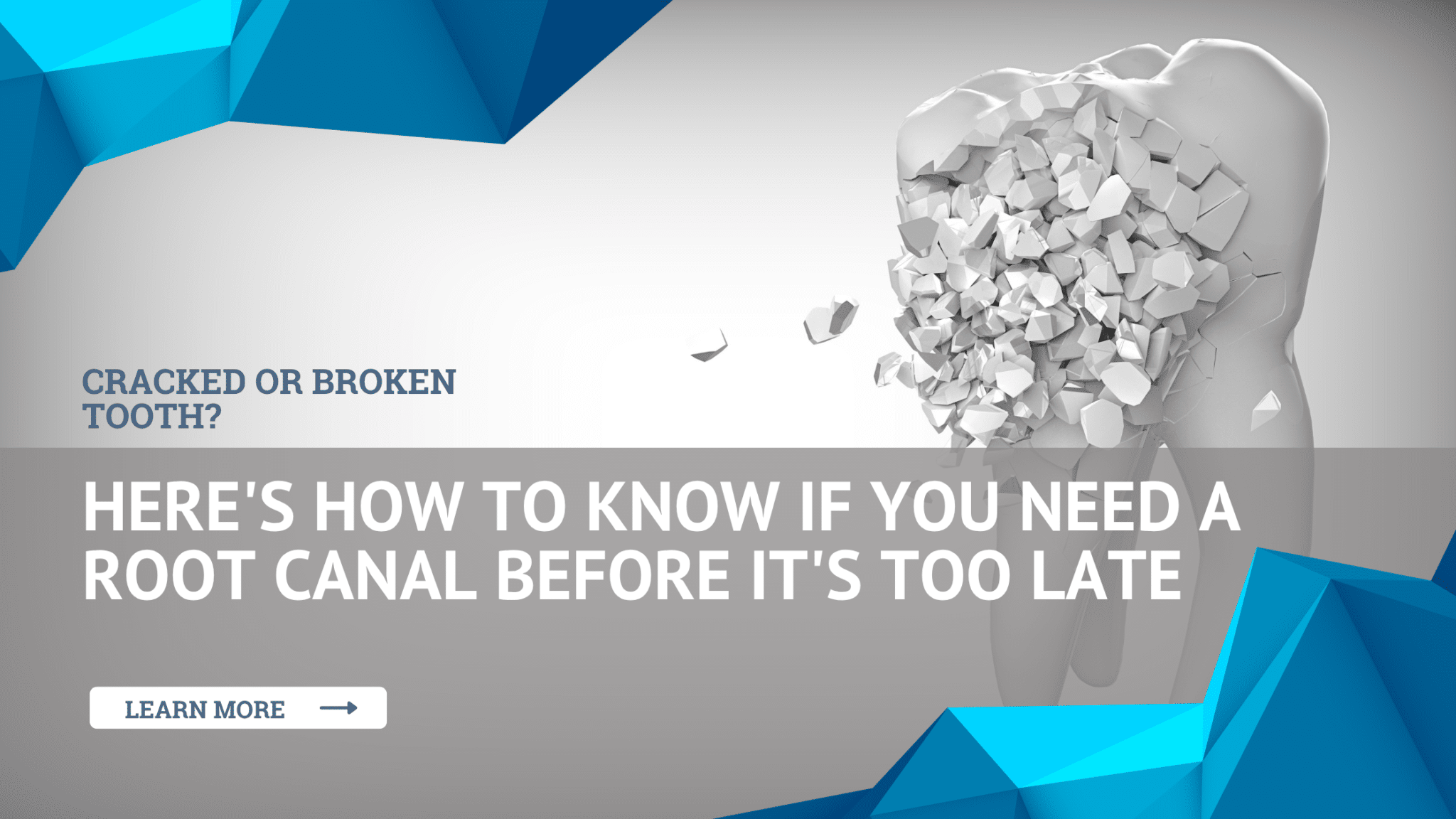
A tooth fracture is any crack, chip, or break in the tooth’s structure. Some fractures affect only the enamel, while others extend deep into the tooth and reach the pulp, where the nerves and blood vessels are located.
The deeper the fracture, the greater the risk of infection and tooth loss.
That’s why it’s important to have any damaged tooth evaluated as soon as possible—even if it doesn’t hurt right away.
Common Causes of a Cracked or Broken Tooth
Tooth fractures can happen for many reasons, including:
- Biting ice, popcorn kernels, or hard candy
- Sports injuries
- Falls or accidents
- Teeth grinding (bruxism)
- Large, older fillings that weaken the tooth
- Untreated tooth decay
- Sudden temperature changes from hot and cold foods
Sometimes patients don’t even realize when the crack occurred until symptoms begin to develop.
Cracked Tooth Symptoms You Should Never Ignore
Not every cracked tooth causes immediate pain, but there are several warning signs that may indicate the fracture has reached the inside of the tooth.
Watch for symptoms such as:
- Sharp pain when biting down
- Pain that comes and goes
- Lingering sensitivity to hot or cold
- Swollen or tender gums around one tooth
- A visible crack or fracture
- Pain that seems difficult to pinpoint
- Discomfort while releasing your bite after chewing
These symptoms often suggest the nerve inside the tooth has become irritated or infected.
Does Every Broken Tooth Need a Root Canal?
No.
Many minor chips or fractures only affect the outer enamel and can often be repaired with a filling, bonding, or a dental crown.
However, a broken tooth may require a root canal if the fracture exposes or damages the pulp inside the tooth.
Without treatment, bacteria can enter the tooth and lead to infection, abscess formation, and worsening pain.
Signs Your Cracked Tooth May Need a Root Canal
Your endodontist may recommend root canal treatment if:
- The crack extends into the pulp
- The tooth has become infected
- Pain lingers after eating or drinking
- The tooth is extremely sensitive to temperature
- You develop swelling around the tooth
- An abscess forms near the gums
The goal is to remove the damaged tissue while preserving as much of your natural tooth as possible.
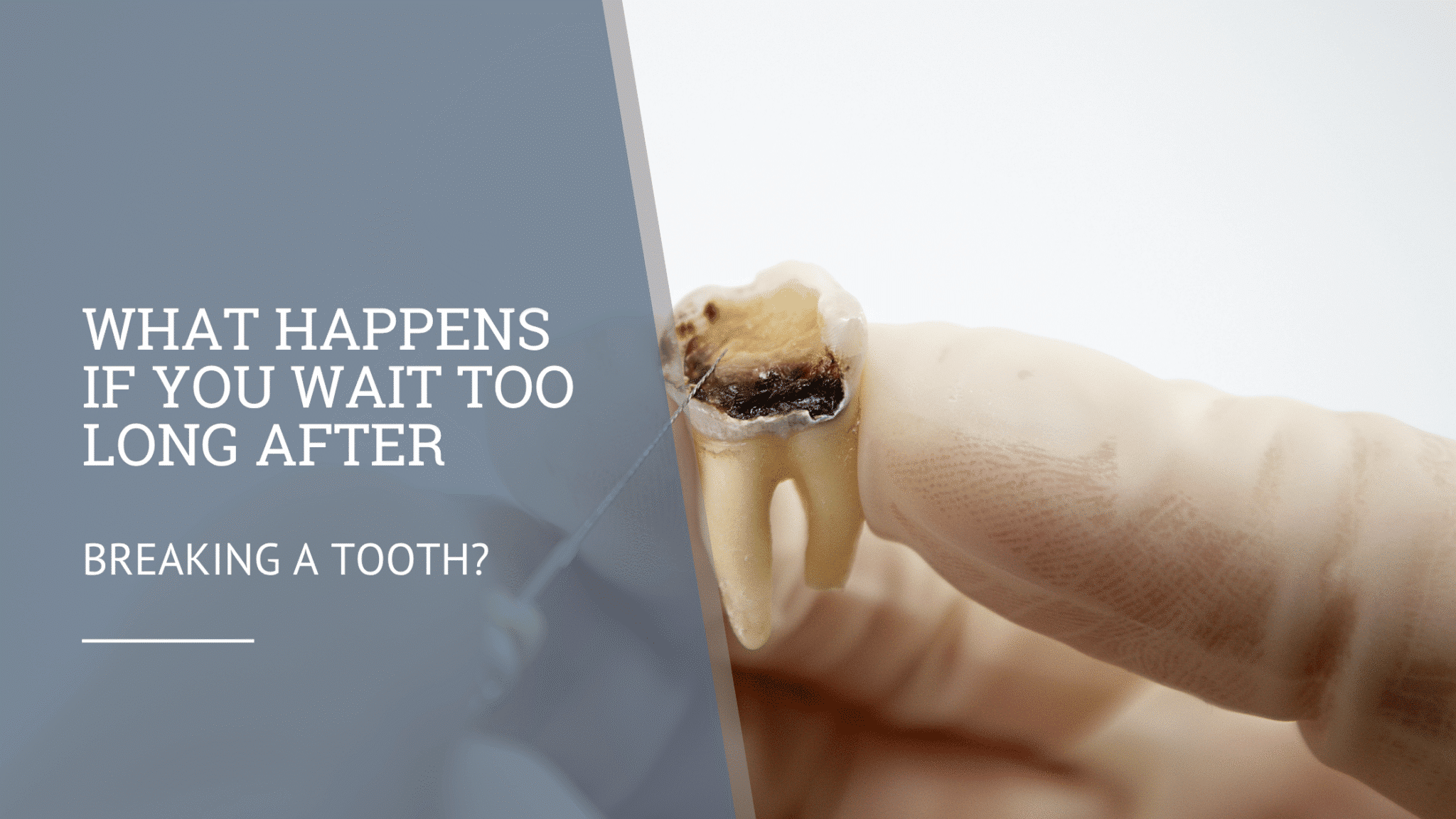
What Happens If You Wait Too Long?
Many people ignore a cracked tooth because the pain comes and goes.
Unfortunately, the crack won’t heal on its own.
Over time, the fracture can:
- Become larger
- Allow bacteria to enter the tooth
- Lead to infection
- Cause an abscess
- Weaken the tooth further
- Eventually make the tooth impossible to save
Early treatment often means simpler treatment—and a much better chance of preserving your natural tooth.
How Endodontists Diagnose Tooth Fractures
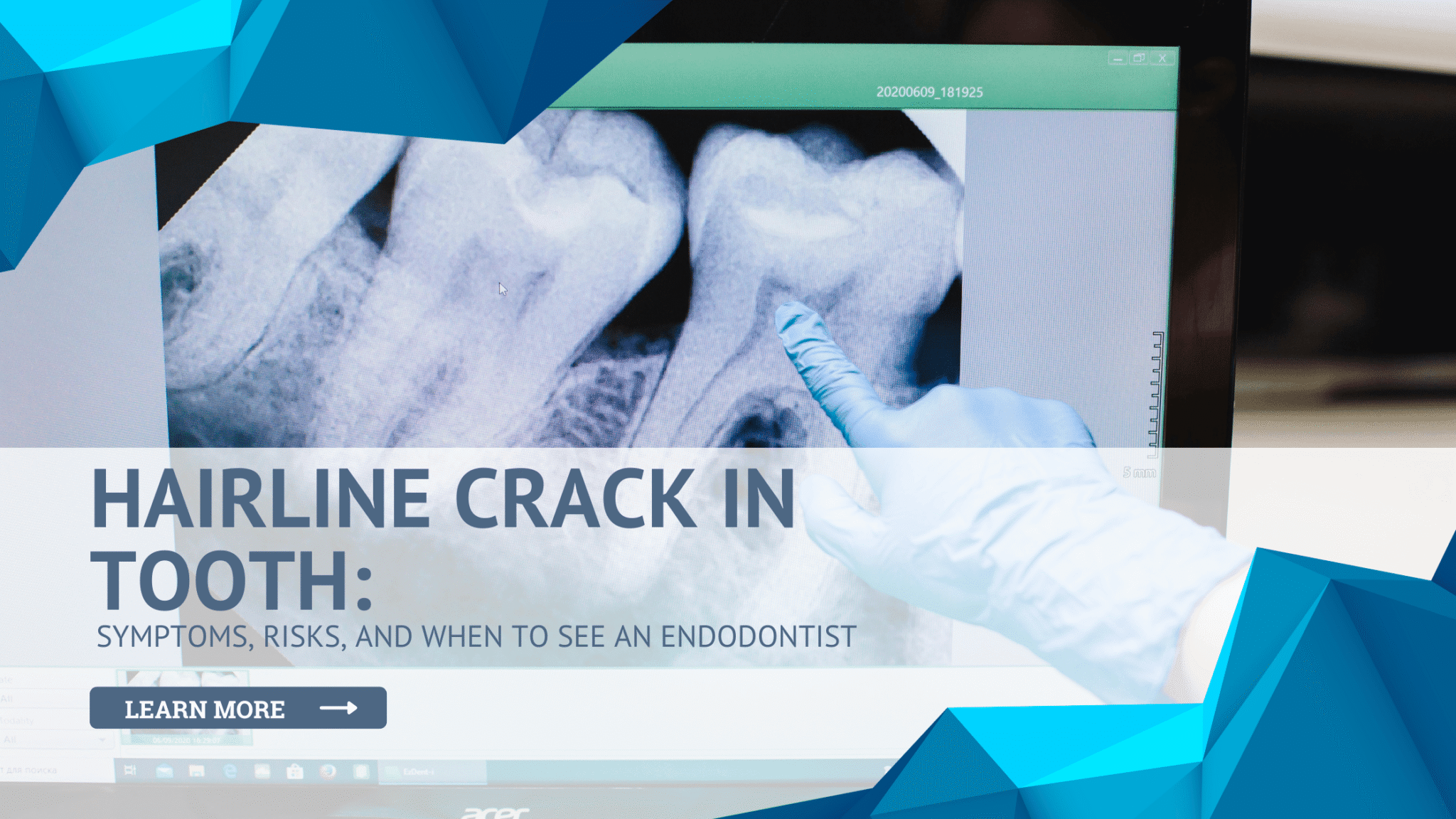
Cracks aren’t always visible to the naked eye.
At Eastern Idaho Endodontics, we use advanced technology and specialized diagnostic techniques to identify fractures that may not appear on routine dental exams.
Your evaluation may include:
- A thorough clinical examination
- Digital X-rays
- Bite testing
- Magnification with a dental operating microscope
- Advanced imaging when necessary
Accurate diagnosis is one of the most important steps in determining the right treatment.
Can a Cracked Tooth Be Saved?
In many cases, yes.
If the fracture has not extended too far below the gumline or split the root, root canal treatment followed by a protective crown can often preserve the tooth for many years.
However, some fractures are too severe to repair.
Examples include:
- Vertical root fractures
- Cracks extending well below the gumline
- Teeth with insufficient healthy structure remaining
Your endodontist will explain all available treatment options based on the extent of the damage.
What Should You Do If You Break a Tooth?
If you crack or break a tooth:
- Call your dentist or endodontist as soon as possible.
- Avoid chewing on the affected side.
- Rinse your mouth with warm water.
- If swelling develops, apply a cold compress to the outside of your face.
- Take over-the-counter pain medication if needed, following the directions on the label.
- Save any broken pieces if possible and bring them to your appointment.
Prompt treatment can make the difference between saving and losing a tooth.
Don’t Ignore a Cracked Tooth
Even if the pain is mild, a cracked tooth should never be ignored.
The sooner it’s evaluated, the greater the chance that your natural tooth can be saved.
Waiting too long can allow the crack to worsen, making treatment more difficult—or even impossible.
Trust Eastern Idaho Endodontics to Save Your Tooth
At Eastern Idaho Endodontics, we specialize in diagnosing and treating cracked, fractured, and injured teeth. Using advanced imaging, dental operating microscopes, and years of specialized training, our experienced team is committed to helping patients save their natural teeth whenever possible.
If you’ve experienced a tooth fracture or are dealing with a cracked or broken tooth, don’t wait for the pain to get worse. With convenient locations throughout Eastern Idaho and Wyoming, we’re here to provide prompt, expert care when you need it most.
Contact Eastern Idaho Endodontics today to schedule an evaluation.
Frequently Asked Questions
Can a cracked tooth heal on its own?
No. Unlike bone, a cracked tooth cannot repair itself. Without treatment, the crack may worsen over time and increase the risk of infection or tooth loss.
How do I know if my broken tooth needs a root canal?
If the crack has reached the pulp inside the tooth, you may experience lingering sensitivity, severe pain, swelling, or signs of infection. An endodontist can determine whether root canal treatment is necessary.
Can a root canal save a cracked tooth?
In many cases, yes. If the fracture has not extended too far below the gumline or into the root, root canal treatment followed by a crown can often preserve the tooth.
Is a cracked tooth considered a dental emergency?
Yes. While not every crack requires immediate treatment, any fractured tooth should be evaluated promptly to prevent infection and improve the chances of saving the tooth.
What happens if I ignore a cracked tooth?
Ignoring a tooth fracture can allow the crack to spread, bacteria to enter the tooth, and infection to develop. Eventually, the damage may become too severe to repair, requiring extraction.