You bite into something and suddenly feel a sharp pain in one tooth. A few minutes later, everything feels normal again. So, is it something you really need to worry about?
Tooth pain when biting that comes and goes can be caused by a cracked tooth, inflammation inside the tooth, an infection, a problem with previous dental work, or an uneven bite. Even if the pain is not constant, recurring pain is worth paying attention to.
At Eastern Idaho Endodontics, we often see patients whose symptoms are difficult to pinpoint. Understanding when the pain happens—and what triggers it—can help us find the source of the problem.
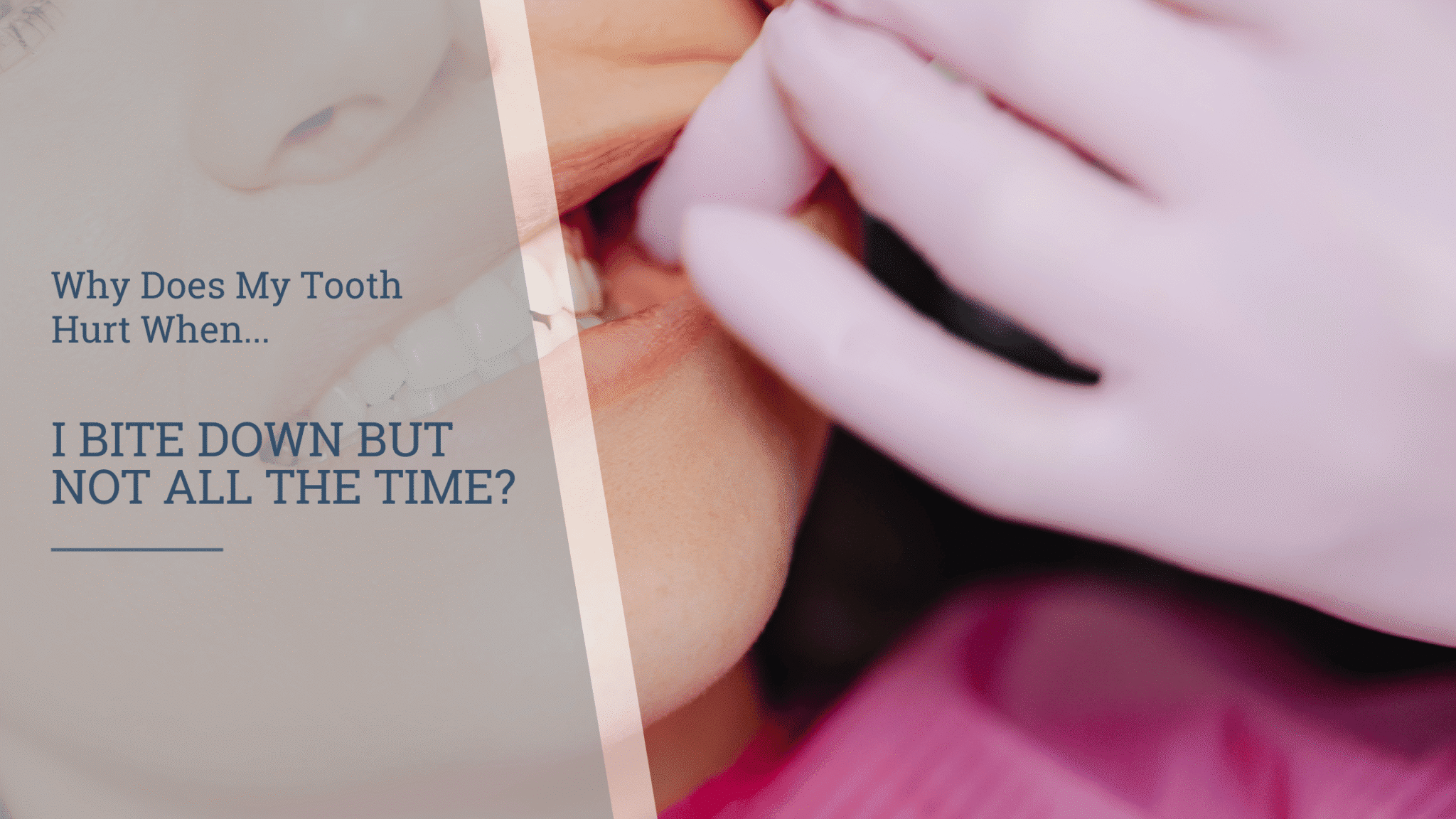
Why Does My Tooth Hurt Only When I Bite Down?
Pain that happens when you bite or chew usually means pressure is triggering something in or around the tooth.
That does not automatically mean you need a root canal. However, it can be a sign that the tooth needs a closer look.
Some of the most common causes include:
- A cracked or fractured tooth
- Inflammation of the dental pulp
- An infection near the root
- A loose or damaged filling
- Problems with a crown or other restoration
- An uneven bite
- Irritation of the tissues around the tooth
The type of pain can also provide useful clues. For example, a quick, sharp pain may point to a different problem than a deep ache that lingers after you stop chewing.
Can a Cracked Tooth Hurt Only Sometimes?
Yes. In fact, pain that comes and goes when biting is a common symptom of a cracked tooth.
A crack can move slightly when pressure is placed on the tooth. This movement may irritate the pulp and other tissues inside the tooth.
You may notice pain when biting into something hard. You might also feel a sharp sensation when you release your bite. Then, the tooth may feel completely normal again.
That inconsistency can make a cracked tooth difficult to identify.
Some cracks are small and treatable. Others extend deeper into the tooth and can affect whether the tooth can be saved. An evaluation can help determine the location and extent of the crack.
Could Inflammation Inside the Tooth Cause Biting Pain?
Yes.
The center of your tooth contains soft tissue called the dental pulp. It contains nerves, blood vessels, and connective tissue.
Decay, cracks, trauma, or repeated dental procedures can sometimes irritate the pulp. When this tissue becomes inflamed, pressure from chewing may make the tooth uncomfortable.
Other symptoms may occur too, including:
- Sensitivity to hot or cold
- Lingering sensitivity
- A dull toothache
- Pain that seems to come and go
- Pain that becomes worse at night
However, symptoms vary from person to person. That is why diagnosis is important before deciding on treatment.
Can a Tooth Infection Hurt When You Bite?
It can.
An infection inside a tooth can eventually affect the tissues surrounding the root. When you bite down, pressure on those tissues may cause tenderness or pain.
You may feel as though the tooth is sore, tender, or even slightly “higher” than the teeth around it.
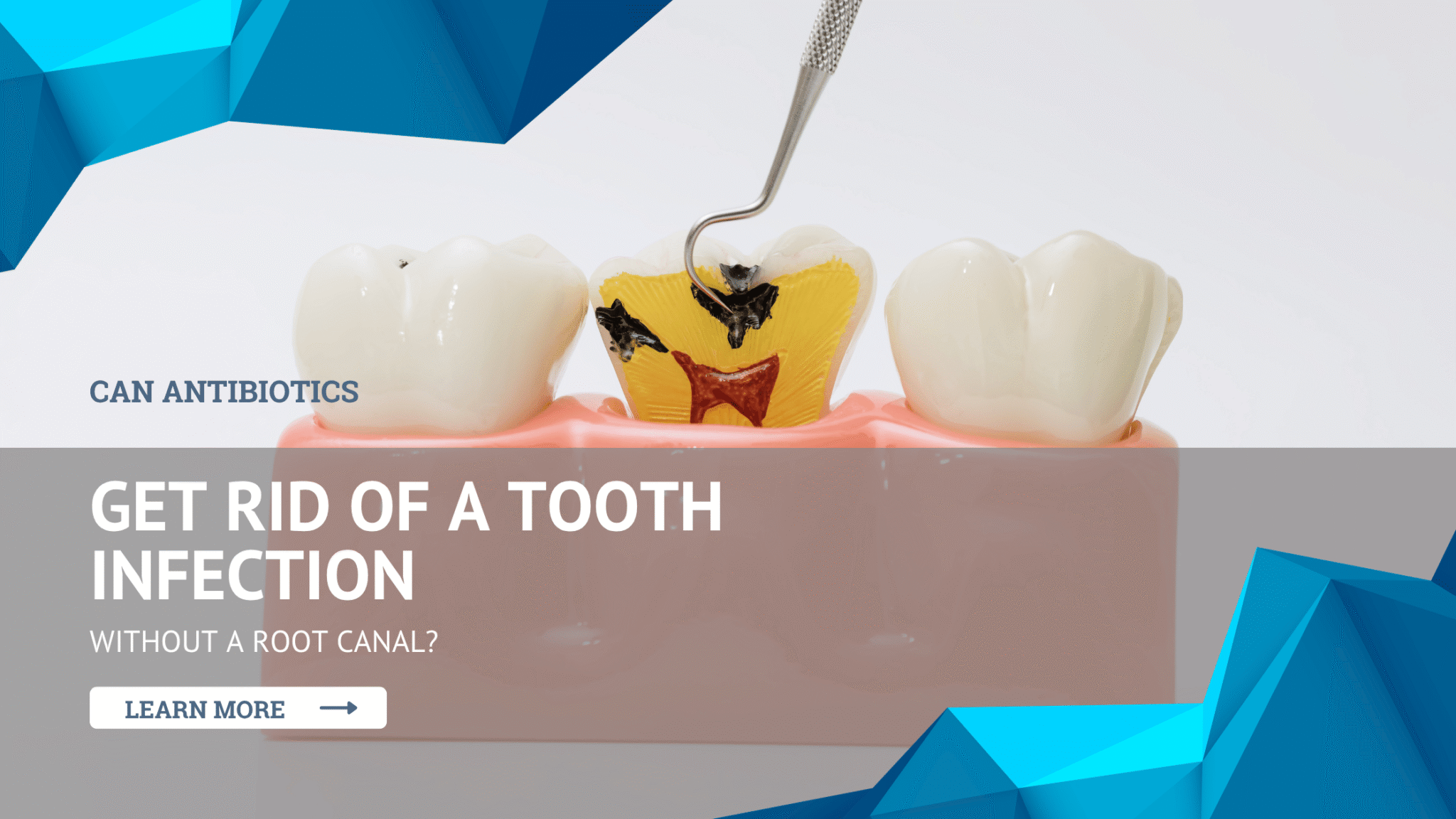
Other possible signs of a tooth infection include swelling, gum tenderness, a pimple-like bump on the gum, sensitivity, or persistent pain.
However, not every infection causes severe pain. Some patients have surprisingly mild symptoms.
If you have swelling, worsening pain, fever, or feel unwell, contact a dental professional promptly. Significant facial swelling or difficulty breathing or swallowing requires urgent medical attention.
Why Does My Tooth Hurt After a Filling or Crown?
If your pain began after recent dental work, the restoration could be part of the reason.
For example, a filling or crown that changes the way your teeth come together may place too much pressure on one tooth when you bite.
The pulp inside the tooth can also become irritated following dental treatment. Mild sensitivity may improve as the tooth settles down. However, pain that continues, gets worse, or becomes severe deserves another look.
A tooth that has had previous dental work can also develop a crack or another problem unrelated to the restoration itself.
Rather than guessing, have the tooth evaluated if the symptoms persist.
What If My Tooth Hurts When I Bite but There Is No Cavity?
A cavity is only one possible cause of tooth pain.
A tooth can look normal on the outside and still have a problem. Cracks can be difficult to see. Inflammation occurs inside the tooth. Changes around the root may also require dental imaging or additional testing to identify.
That is one reason an endodontic evaluation involves more than simply looking for a cavity.
We may review your symptoms, examine the tooth, take dental images, and perform tests to understand how the tooth and surrounding tissues are responding.
Does Pain When Biting Mean I Need a Root Canal?
No. Pain when biting does not automatically mean you need a root canal.
The right treatment depends on what is causing the pain.
If the pulp inside the tooth is healthy, root canal treatment may not be necessary. If the pulp is severely inflamed or infected and the tooth can be saved, root canal treatment may be recommended.
In other cases, the solution could involve adjusting a restoration, repairing a tooth, or another type of dental care.
The goal is not to jump straight to treatment. The first step is finding out why the tooth hurts.
Why Does the Pain Go Away and Come Back?
Intermittent tooth pain can be frustrating because it is easy to assume the problem has gone away.
Unfortunately, a tooth that stops hurting is not necessarily a tooth that has healed.
A crack may only cause pain when pressure hits it at a certain angle. Inflammation can change over time. An irritated tooth may also have periods when it feels better before symptoms return.
Pay attention to patterns.
Does it hurt when you eat something crunchy? Does the pain happen when you release your bite? Is the tooth sensitive to cold afterward? Has the pain become more frequent?
These details can be useful when diagnosing the source of the problem.
When Should I See an Endodontist for Pain When Biting?
A single mild sensation does not always require specialized care. However, recurring or worsening pain should not be ignored.
Consider having the tooth evaluated if:
- Pain keeps returning when you chew
- One specific tooth hurts when you bite
- You feel a sharp pain when releasing your bite
- The tooth is sensitive to hot or cold
- You have swelling or tenderness
- The tooth has been injured
- The tooth has a large filling or crown
- Your dentist suspects a crack or problem with the pulp
- You have been told you may need a root canal
An endodontist specializes in diagnosing tooth pain and treating problems involving the inside of the tooth and the tissues surrounding its roots.
This can be especially helpful when symptoms come and go or the source of the pain is difficult to identify.
Can an Endodontist Tell Which Tooth Is Causing the Pain?
Often, yes. However, finding the source can sometimes take a little detective work.
Dental pain does not always behave the way you expect. The tooth that feels painful may not always be the tooth causing the problem.
During an endodontic evaluation, we may compare several teeth and look at how each responds to different tests. Dental X-rays or other imaging may also provide important information.
Your description of the pain matters too.
Knowing when the tooth hurts, how long the pain lasts, and what triggers it can help us put the pieces together.
Can a Painful Tooth Still Be Saved?
Many painful teeth can be saved, depending on what is causing the problem and how much healthy tooth structure remains.
If inflammation or infection inside the tooth is responsible, root canal treatment may allow us to remove the affected tissue, clean and disinfect the canals, and preserve the natural tooth.
A crack requires careful evaluation because its location and depth matter. Some cracked teeth can be treated successfully, while others may not be able to be predictably saved.
The sooner you understand what is happening, the sooner you can discuss your options.
Don’t Ignore Tooth Pain Just Because It Comes and Goes
If your tooth hurts when you bite down but feels fine the rest of the day, it can be tempting to wait and see what happens.
Sometimes minor sensitivity does improve. However, recurring pain when biting is a reason to have the tooth checked, particularly if the pain is becoming more frequent or intense.
At Eastern Idaho Endodontics, we specialize in diagnosing difficult tooth pain, cracked teeth, infections, and problems involving the inside of the tooth. Our goal is to identify the cause of your symptoms and help save your natural tooth whenever possible.
We have locations in Idaho Falls, Rexburg, Pocatello, Burley, and Hailey, Idaho, as well as Jackson and Pinedale, Wyoming.
If you’re experiencing pain when biting or chewing, contact Eastern Idaho Endodontics to schedule an evaluation.
Frequently Asked Questions About Tooth Pain When Biting
Why does my tooth hurt when I bite down but then stop?
A cracked tooth, inflammation, infection, previous dental work, or a bite issue can cause intermittent pain. The fact that the pain stops does not necessarily mean the underlying problem is gone.
Why does my tooth hurt when I bite something hard?
Hard foods place more pressure on a tooth. If the tooth is cracked, inflamed, or irritated, that added pressure may trigger pain.
Can a cracked tooth cause pain when releasing my bite?
Yes. Some cracked teeth cause a sharp sensation when pressure is applied or released. Because cracked-tooth symptoms can come and go, an evaluation may be needed to locate the problem.
Can I need a root canal if my tooth only hurts when I chew?
Possibly, but pain when chewing alone does not confirm that you need a root canal. An examination and diagnostic testing are needed to determine whether the pulp is inflamed or infected.
Should I worry if my tooth only hurts occasionally?
Occasional mild sensitivity may not indicate a serious problem. However, recurring pain in the same tooth—especially when biting or chewing—is worth discussing with a dentist or endodontist.
Can an X-ray show why my tooth hurts when I bite?
Dental X-rays can provide valuable information, but they may not reveal every cause of biting pain. Cracks, for example, can sometimes be difficult to see on a standard X-ray. Your symptoms, examination, imaging, and diagnostic tests may all be used together to identify the cause.