Have you noticed that your tooth hurts when biting down, but the pain comes and goes? Maybe you feel a sharp sensation when chewing something crunchy, yet the same tooth feels perfectly fine a few minutes later. Intermittent tooth pain can be confusing, especially when you cannot see anything wrong with your tooth.
At Eastern Idaho Endodontics, we help patients throughout Eastern Idaho and Western Wyoming understand the causes of tooth pain. While occasional discomfort does not always mean you need a root canal, pain when biting can indicate an underlying dental problem that deserves attention.
Why Does My Tooth Hurt When Biting Down?
Several dental conditions can cause pain when you apply pressure to a tooth. The discomfort may come from the tooth itself, the surrounding tissues, or the nerves inside it.
Because different conditions can produce similar symptoms, identifying the exact cause often requires a professional examination.
1. A Cracked Tooth
A small crack is one possible reason your tooth hurts when biting down. Cracks can develop from grinding your teeth, chewing hard foods, or everyday wear.
When you bite, pressure may cause the cracked portions of the tooth to move slightly. This movement can irritate the sensitive tissues inside the tooth and create a sudden, sharp sensation.
You might notice:
-
Sharp pain when biting into certain foods.
-
Discomfort when releasing biting pressure.
-
Sensitivity to hot or cold temperatures.
-
Pain that comes and goes without warning.
Some cracks are difficult to see without specialized equipment. Depending on their location and severity, treatment may involve a crown, root canal treatment, or another dental procedure.
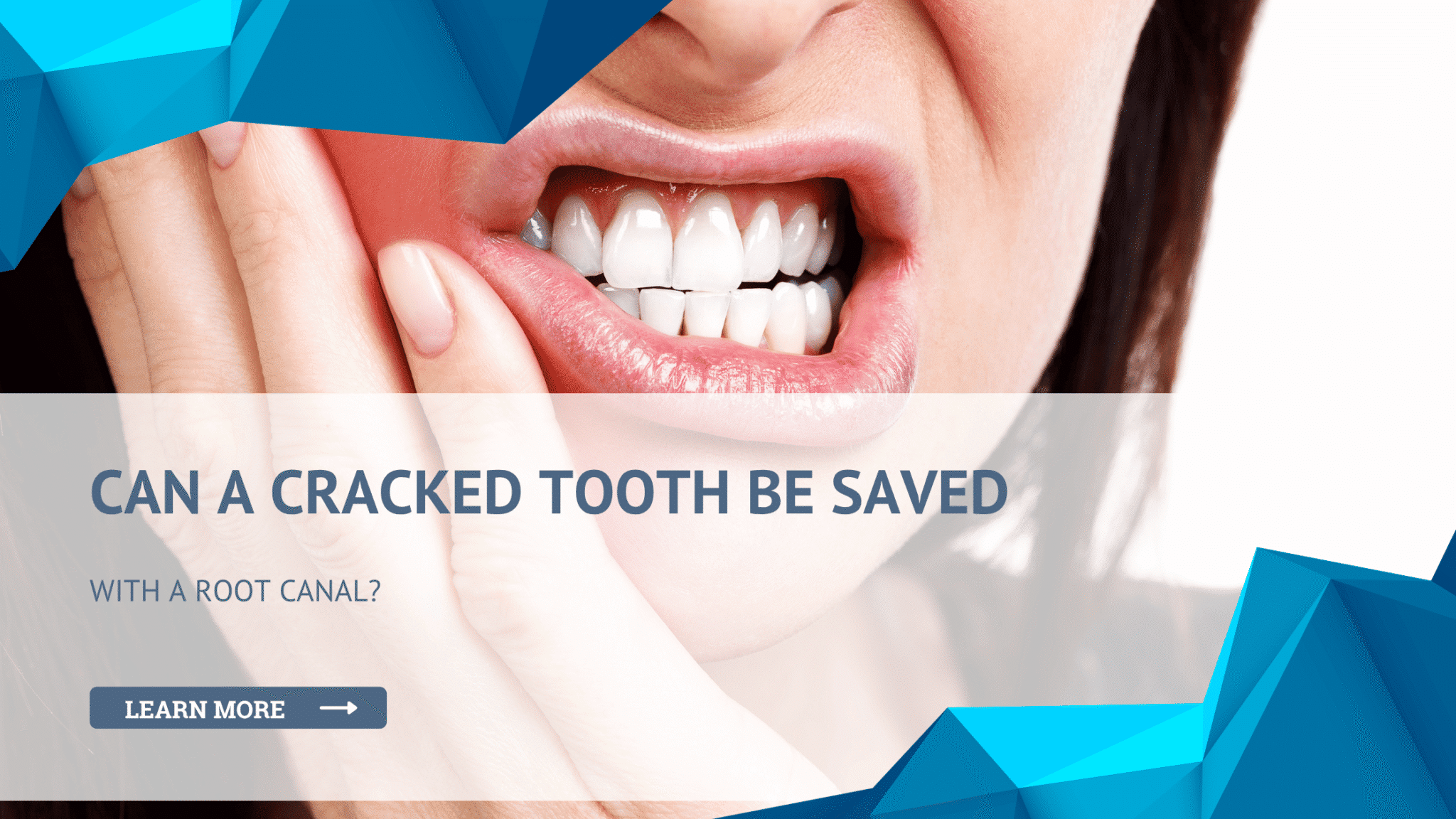
Learn more about whether a cracked tooth can be saved with a root canal.
2. Inflammation Around the Tooth Root
The tissues surrounding your tooth roots help support your teeth and absorb pressure when you chew.
When these tissues become inflamed, biting can become uncomfortable. This inflammation may develop because of an infection, dental trauma, or excessive pressure on the tooth.
Unlike constant toothaches, pressure-related discomfort may only appear when you chew or bite down.
If the inflammation involves the tissues around an infected root, endodontic treatment may be necessary to address the source of the problem.
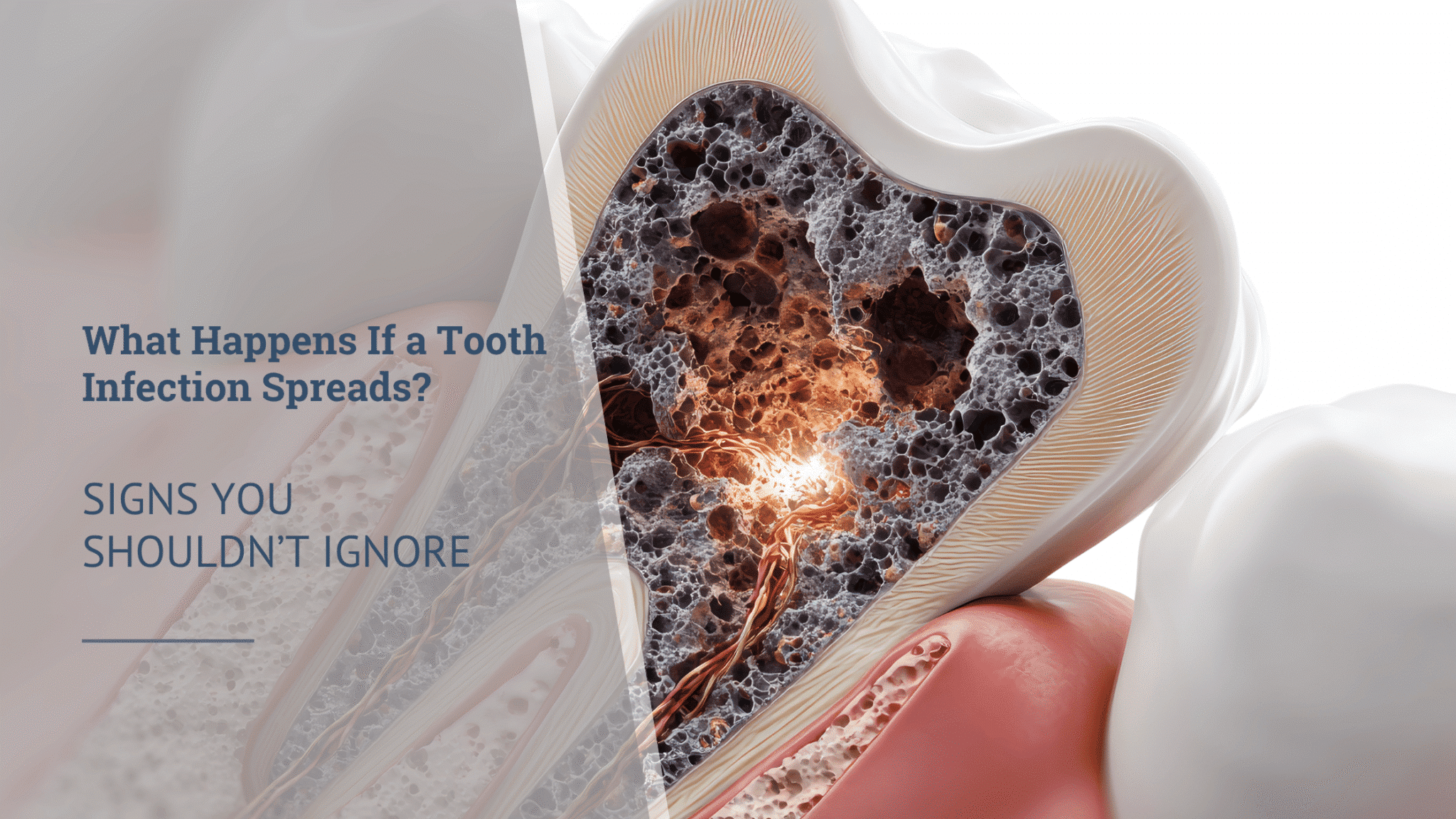
3. An Infected or Damaged Tooth Nerve
Inside every tooth is soft tissue called the pulp. It contains nerves, blood vessels, and connective tissue.
Deep decay, cracks, or previous dental injuries can damage this tissue. When the pulp becomes inflamed or infected, you may experience sensitivity, pressure, or pain.
However, symptoms are not always consistent.
Some patients experience severe discomfort, while others notice only occasional pain when chewing. In certain cases, an infected tooth may produce very little pain at all.
This is one reason you should not assume that a tooth is healthy simply because the discomfort disappears.
4. A Filling or Crown That Changes Your Bite
Have you recently had a filling or crown placed?
Sometimes, a restoration can create an uneven bite. If one tooth makes contact before the others, it may experience additional pressure during chewing.
This can cause tenderness or discomfort that becomes more noticeable when eating.
Your general dentist can evaluate your bite and determine whether an adjustment is needed. If the pain continues or involves the tooth’s internal tissues, an endodontic evaluation may be recommended.
5. Teeth Grinding or Clenching
Grinding or clenching your teeth can place significant pressure on your teeth and surrounding tissues.
This pressure may lead to tenderness, small cracks, or discomfort when chewing.
You might also notice jaw soreness, morning headaches, or increased tooth sensitivity.
If you frequently grind your teeth, your dentist can help determine whether a protective nightguard or another treatment may be appropriate.
Why Does Tooth Pain Come and Go?
One of the most confusing aspects of dental discomfort is that it does not always remain constant.
For example, a cracked tooth may hurt only when you bite at a particular angle. An inflamed tooth may feel uncomfortable under pressure but remain painless while resting.
Additionally, symptoms can change as inflammation develops or the condition progresses.
Even if your tooth stops hurting, the underlying problem may still be present.
That is why recurring tooth pain should be evaluated rather than ignored.
Does Pain When Biting Mean I Need a Root Canal?
Not necessarily.
A tooth that hurts when biting down does not automatically require root canal treatment. The appropriate treatment depends on what is causing the discomfort.
For example, a minor bite adjustment may resolve pain caused by an uneven restoration. A cracked tooth might need a crown, while an infected tooth may require root canal treatment.
Root canal treatment becomes an option when the pulp inside the tooth is irreversibly inflamed or infected and the tooth can be preserved.
During treatment, an endodontist removes the damaged tissue, cleans and disinfects the root canal system, and seals the space.
The goal is to eliminate the source of infection or inflammation while preserving your natural tooth whenever possible.
How Does an Endodontist Find the Cause of Biting Pain?
Endodontists specialize in diagnosing tooth pain and treating problems involving the inside of the tooth.
At Eastern Idaho Endodontics, our team uses specialized diagnostic techniques and modern technology to evaluate complex dental symptoms.
Depending on your situation, an examination may include:
-
Reviewing your symptoms and dental history.
-
Testing how your tooth responds to pressure.
-
Evaluating sensitivity to temperature.
-
Examining the tooth for cracks or damage.
-
Reviewing dental X-rays.
-
Using advanced imaging when clinically appropriate.
These findings help determine whether the problem involves the tooth’s pulp, surrounding tissues, or another dental condition.
Our goal is to identify the source of your discomfort and recommend treatment based on your specific needs.
When Should You See an Endodontist for Tooth Pain?
Occasional tooth sensitivity can have several causes. However, recurring pain when biting should not be ignored.
Schedule a dental evaluation if you experience pain that:
-
Returns whenever you chew on a particular tooth.
-
Becomes more frequent or intense.
-
Occurs alongside lingering sensitivity to hot or cold.
-
Develops after an injury to your tooth.
-
Continues after a recent dental procedure.
Seek prompt dental care if you also notice swelling, a persistent bad taste, or signs of infection. Facial swelling accompanied by fever, difficulty swallowing, or difficulty breathing requires urgent medical attention.
Early evaluation can help identify problems before they become more complicated.
Specialized Tooth Pain Diagnosis in Eastern Idaho and Western Wyoming
When your tooth hurts when biting down, finding the cause is the first step toward relief.
Eastern Idaho Endodontics provides specialized endodontic care at seven locations throughout the region:
-
Idaho Falls, Idaho
-
Pocatello, Idaho
-
Rexburg, Idaho
-
Burley, Idaho
-
Hailey, Idaho
-
Jackson, Wyoming
-
Pinedale, Wyoming
Whether you have been referred by your general dentist or are looking for answers about recurring tooth pain, our experienced team is here to help.
We focus on diagnosing complex dental conditions and preserving natural teeth whenever possible.
Don’t Ignore Tooth Pain That Keeps Coming Back
If your tooth hurts when biting down but not all the time, it may be tempting to wait until the pain becomes constant.
However, intermittent discomfort can be an early sign of a cracked tooth, inflammation, or another dental problem.
Understanding the cause can help you make informed decisions about your dental health.
Contact Eastern Idaho Endodontics to learn more about our locations and specialized treatment options. Our team is dedicated to helping patients throughout Eastern Idaho and Western Wyoming find answers to persistent tooth pain.