
If you’ve been told you need a root canal, you probably have a few questions. Will it hurt? What happens during treatment? And perhaps most importantly, how long does a root canal take?
The good news is that most root canals take about 60 to 90 minutes. However, some appointments may be shorter or longer depending on the tooth, the complexity of the procedure, and your specific needs.
At Eastern Idaho Endodontics, we know your time matters. We also understand that knowing what to expect can make your appointment feel much less stressful.
Let’s walk through how long root canal treatment typically takes, what happens during your visit, and why some teeth require more time than others.
How Long Does a Root Canal Usually Take?
Most root canal treatments take approximately 60 to 90 minutes. However, more complex cases may require up to two hours or longer.
The exact time depends on several factors, including which tooth needs treatment and the condition of its root canals.
For example:
- Front teeth often take 30 to 60 minutes.
- Premolars may take 60 to 90 minutes.
- Molars often take 90 minutes to two hours.
These are general estimates, not guaranteed appointment lengths. Your endodontist can provide a more accurate estimate after evaluating your tooth.
Some patients also need a separate consultation before treatment. Others may complete their evaluation and root canal during the same visit.
Why Do Some Root Canals Take Longer Than Others?
Not every tooth is built the same.
Some teeth have a single root canal, while others have several. The shape, size, and condition of those canals can affect how long treatment takes.
Here are some of the most common factors.
1. Which Tooth Needs Treatment?
Front teeth usually have simpler root canal systems. As a result, treatment may take less time.
Molars are often more complicated. They commonly have three or four canals, although the number can vary.
Your endodontist needs to locate, clean, and seal each canal carefully.
That extra work can make molar root canals take longer.
2. The Shape of Your Root Canals
Some canals are relatively straight. Others curve, narrow, or branch in different directions.
These variations can make treatment more challenging.
Endodontists use specialized instruments and magnification to navigate complex canal systems while protecting the surrounding tooth structure.
3. The Amount of Infection or Inflammation
A tooth with significant inflammation or infection may require additional care.
Your endodontist will evaluate the condition of the tooth and determine the best treatment approach.
In some cases, treatment may require more than one appointment.
4. Previous Root Canal Treatment
If a tooth has already undergone root canal treatment, the procedure may take longer.
During root canal retreatment, an endodontist may need to remove existing filling materials, locate untreated canals, or address other complications.
These steps can add time to the appointment.
5. Cracks, Crowns, or Other Dental Work
Existing crowns, large fillings, or cracks can also affect treatment.
Your endodontist may need additional time to evaluate the tooth and safely access the root canals.
The goal is always to provide careful treatment while preserving as much healthy tooth structure as possible.
What Happens During a Root Canal Appointment?
Understanding the process can make the experience feel much easier.
Although every case is different, most appointments follow a similar series of steps.
Step 1: Evaluation and Diagnosis
Before treatment begins, your endodontist reviews your symptoms and dental history.
We may also take X-rays and perform tests to evaluate the tooth.
These tests help confirm the diagnosis and determine whether root canal treatment is the right option.
If your dentist has already referred you for treatment, we will still review the tooth and make sure we understand the problem.
Step 2: Numbing the Tooth
Next, we use local anesthesia to numb the area around the tooth.
We want you to feel comfortable throughout the procedure.
Most patients feel pressure or movement during treatment rather than sharp pain.
If you feel discomfort, let your endodontist know so we can address it.
Step 3: Accessing the Root Canals
Once the area is numb, your endodontist places a protective barrier called a dental dam around the tooth.
This helps keep the treatment area clean and dry.
We then create a small opening in the tooth to reach the pulp chamber and root canals.
Step 4: Cleaning the Canals
This is one of the most important parts of treatment.
Your endodontist removes the inflamed or infected pulp and carefully cleans the canals.
We use specialized instruments and disinfecting solutions to prepare the inside of the tooth.
The time required depends on the number, shape, and condition of the canals.
Step 5: Filling and Sealing the Tooth
After cleaning the canals, we fill them with a biocompatible material and seal the space.
This helps prevent bacteria from entering the treated canal system.
Depending on the situation, your endodontist may place a temporary filling until your general dentist completes the final restoration.
Step 6: Planning the Final Restoration
After your root canal, your tooth may need a crown or another permanent restoration.
Your general dentist typically handles this step.
A properly restored tooth has a better chance of functioning well over time.
Be sure to follow your endodontist’s instructions about when to schedule the final restoration.
Can a Root Canal Be Completed in One Visit?
Yes. Many root canals can be completed in a single appointment.
If the tooth is suitable for treatment and the canals can be cleaned and sealed during the visit, your endodontist may finish everything that day.
However, some cases benefit from two or more appointments.
For example, additional visits may be necessary when:
- The tooth has a complex root canal system
- An infection requires additional management
- The canals are difficult to access
- The tooth needs retreatment
- Your endodontist determines that staged treatment is the better option
Needing a second appointment does not automatically mean something went wrong.
Sometimes, it is simply the best way to manage a complicated tooth.
How Long Does a Root Canal Consultation Take?
A consultation is usually shorter than a treatment appointment, although the time varies.
During your evaluation, your endodontist may review your symptoms, examine the tooth, take images, and perform diagnostic tests.
We will also discuss our findings and explain your treatment options.
Some patients visit us specifically because their dentist is unsure whether they need a root canal.
In those situations, getting an accurate diagnosis is the first priority.
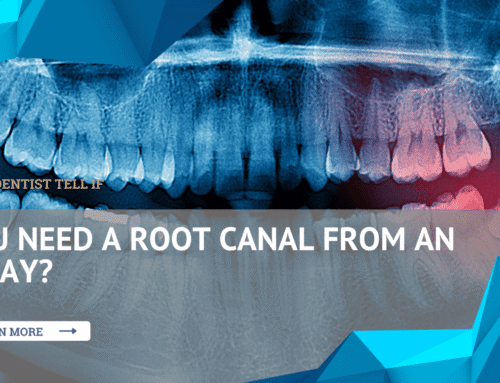
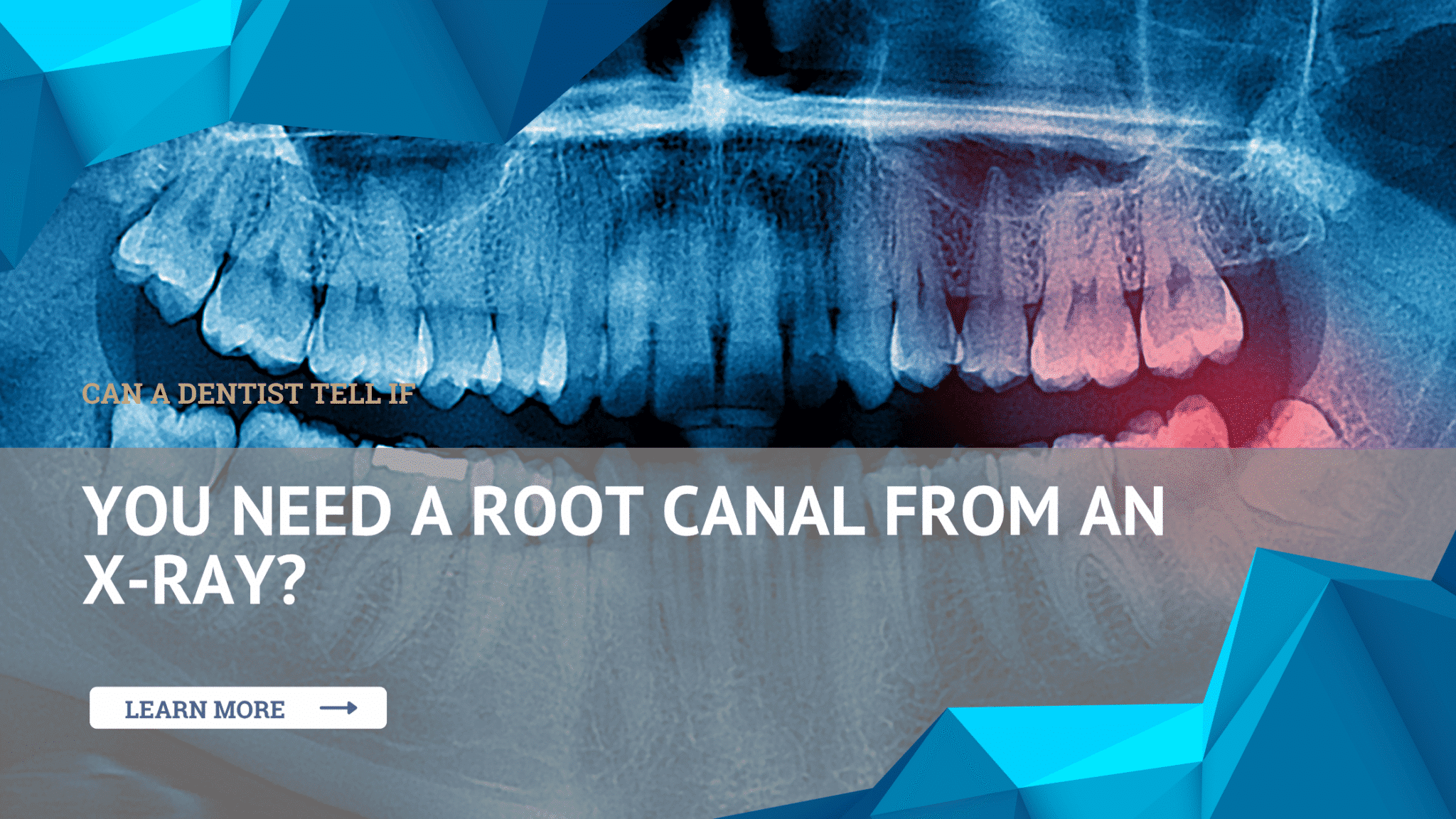
Our article about whether an X-ray can show if you need a root canal explains why imaging is only one part of the evaluation.
Does a Root Canal Hurt During the Appointment?
This is one of the most common concerns we hear.
Fortunately, modern root canal treatment is designed with patient comfort in mind.
Local anesthesia numbs the tooth and surrounding area before treatment begins. Many patients describe the experience as similar to having a filling, although root canal appointments often take longer.
You may notice pressure, vibrations, or sounds from the instruments.
However, you should let your endodontist know if you experience pain.
We want you to feel as comfortable as possible throughout your visit.
How Long Will My Mouth Stay Numb After a Root Canal?
Your mouth may remain numb for several hours after treatment.
The exact time depends on the anesthetic, the amount used, and how your body responds.
During this time, avoid chewing until the numbness wears off. This helps prevent accidentally biting your cheek, lip, or tongue.
Your endodontist will provide specific instructions before you leave.
How Long Does It Take to Recover From a Root Canal?
Most patients can return to many normal daily activities shortly after treatment.
However, the tooth and surrounding tissues may feel tender for a few days.
This is especially common if you had pain or inflammation before your appointment.
You may notice:
- Mild tenderness when biting
- Sensitivity around the treated tooth
- Temporary soreness in the jaw
- Some discomfort as the area heals
These symptoms generally improve over the following days.
Your endodontist may recommend appropriate over-the-counter pain medication when needed.
If you experience severe pain, increasing swelling, or symptoms that worsen instead of improve, contact your dental provider.
For more details, visit our guide to root canal recovery and healing.
Can I Go Back to Work After a Root Canal?
Many patients can return to work, school, or other routine activities after their appointment.
However, this depends on how you feel and the type of treatment you receive.
If you only receive local anesthesia, you can often resume normal activities once you feel comfortable.
If your appointment involves sedation, you may need additional recovery time and someone to drive you home.
Your endodontist can explain any restrictions before treatment.
Can I Eat After a Root Canal?
Yes, but it is best to wait until the numbness wears off.
Once you can feel your mouth normally, choose foods that are comfortable to chew.
For the first day or two, softer foods may be easier on the treated tooth.
Good options include:
- Scrambled eggs
- Yogurt
- Soup that is not too hot
- Mashed potatoes
- Pasta
- Smoothies
Avoid chewing hard or sticky foods on a tooth with a temporary restoration.
Until your general dentist completes the permanent restoration, follow the instructions you receive about protecting the tooth.
Do I Need to Take the Whole Day Off for a Root Canal?
Not necessarily.
Many patients only need enough time for their appointment and travel.
However, it is smart to leave some flexibility in your schedule.
Your appointment may take longer if your tooth has complex anatomy or your endodontist needs additional time for treatment.
You may also prefer to rest afterward, especially if you had significant discomfort before the procedure.
When scheduling, ask our team how much time to allow for your specific appointment.
Is It Better to Get a Root Canal Sooner Rather Than Later?
If your dentist or endodontist recommends root canal treatment, delaying care can sometimes make the problem worse.
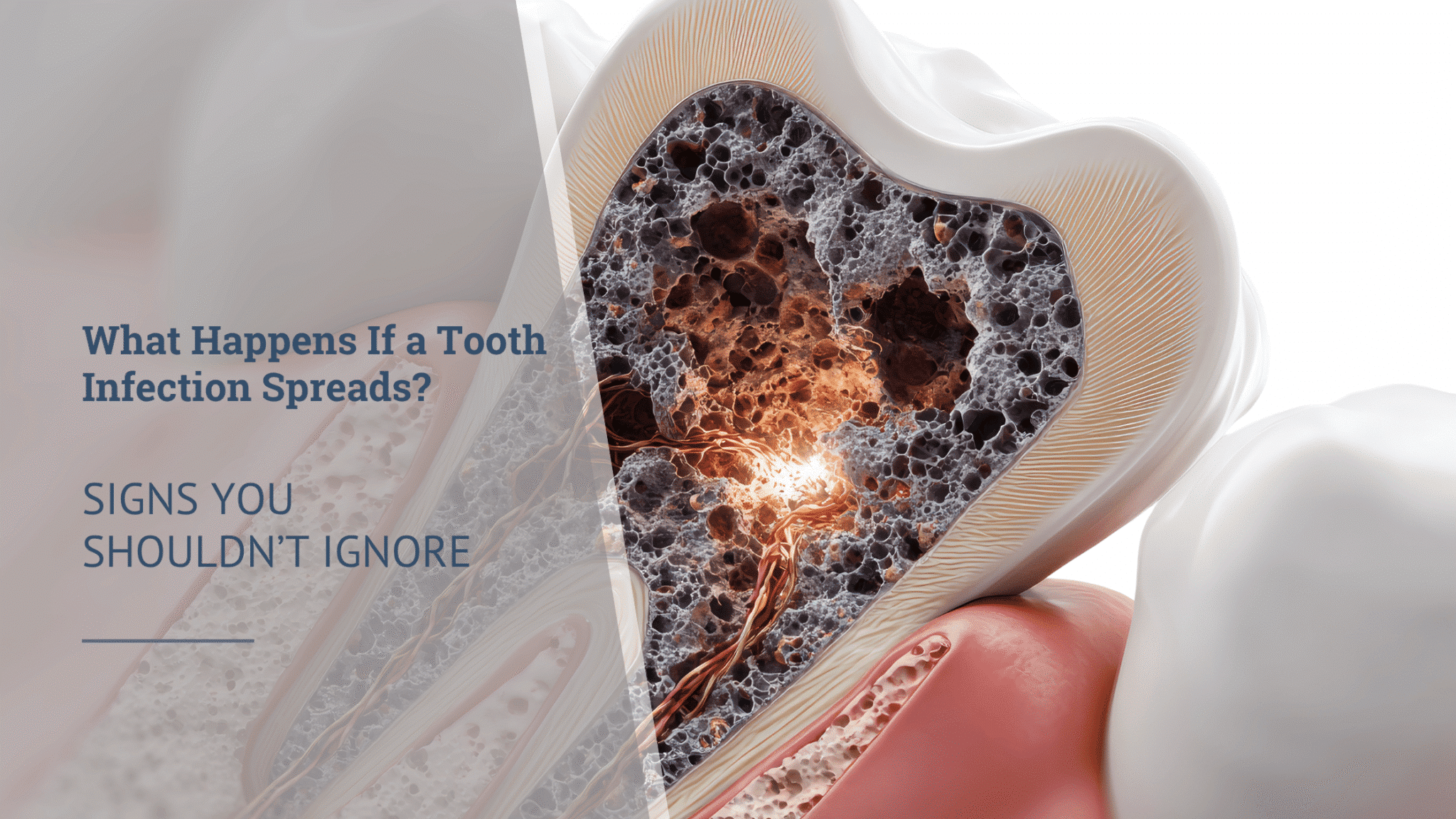
An inflamed or infected tooth may become more painful over time. In some cases, an untreated infection can spread into the surrounding tissues.
Waiting may also increase the risk of additional damage to the tooth.
However, the urgency depends on your diagnosis and symptoms.
If you experience increasing facial swelling, fever with worsening dental symptoms, or severe pain, seek prompt professional care. Difficulty breathing or swallowing requires emergency medical attention.
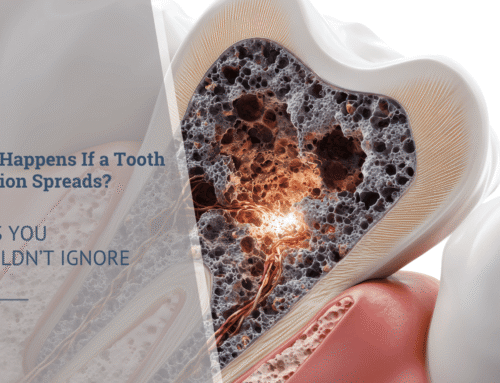
Our article about what happens if a tooth infection spreads explains the warning signs to watch for.
What Makes an Endodontist Different From a General Dentist?
General dentists perform many types of dental procedures, including some root canals.
Endodontists focus specifically on diagnosing tooth pain and treating problems involving the dental pulp and root canal system.
After dental school, endodontists complete additional specialized training.
This training helps them manage complicated cases, including teeth with curved canals, previous root canal treatment, or difficult-to-diagnose symptoms.
At Eastern Idaho Endodontics, we focus on providing precise, comfortable care while helping patients preserve their natural teeth whenever possible.
Plan Your Root Canal Appointment With Confidence
So, how long does a root canal take?
For many patients, treatment takes about 60 to 90 minutes. However, some teeth require more time, and complex cases may need an additional visit.
The most important thing is not how quickly the procedure ends. It’s making sure your tooth receives the care it needs.
At Eastern Idaho Endodontics, we take the time to explain your diagnosis, answer your questions, and help you feel comfortable throughout treatment.
We proudly serve patients throughout Eastern Idaho and Western Wyoming, with offices in Idaho Falls, Rexburg, Pocatello, Burley, Hailey, Jackson, and Pinedale.
If you’ve been referred for a root canal or have questions about an upcoming appointment, contact Eastern Idaho Endodontics. Our team can help you understand what to expect and how much time to plan for your visit.
Frequently Asked Questions About Root Canal Appointment Times
How long does a root canal take from start to finish?
Most root canal procedures take approximately 60 to 90 minutes. Complex molars, retreatments, or difficult canal systems may take two hours or longer. Your total appointment time may also include evaluation and preparation.
Can a root canal really be done in one hour?
Yes. Some straightforward root canals can be completed in about an hour. However, treatment time depends on the tooth, canal anatomy, and other clinical factors.
Why does a molar root canal take longer?
Molars often have several root canals, which can make treatment more complex. Your endodontist needs to locate, clean, disinfect, and seal each canal.
How many appointments does a root canal take?
Many root canals require only one treatment appointment. However, some teeth need two or more visits because of infection, complex anatomy, or previous treatment.
How long does a root canal take on a front tooth?
Front teeth often take about 30 to 60 minutes, although the appointment may last longer depending on the tooth and treatment needs.
Will I need a crown after my root canal?
Many back teeth need a crown after root canal treatment. Other teeth may need a different type of restoration. Your general dentist will recommend the best option based on the tooth’s condition.
How soon can I drive after a root canal?
If you receive only local anesthesia and feel well, you can generally drive afterward. If you receive sedation, you may need a driver and additional recovery time.
How soon can I eat after my root canal?
Wait until the numbness wears off before chewing. This helps prevent accidentally biting your cheek or tongue. Follow your endodontist’s instructions about protecting the treated tooth.