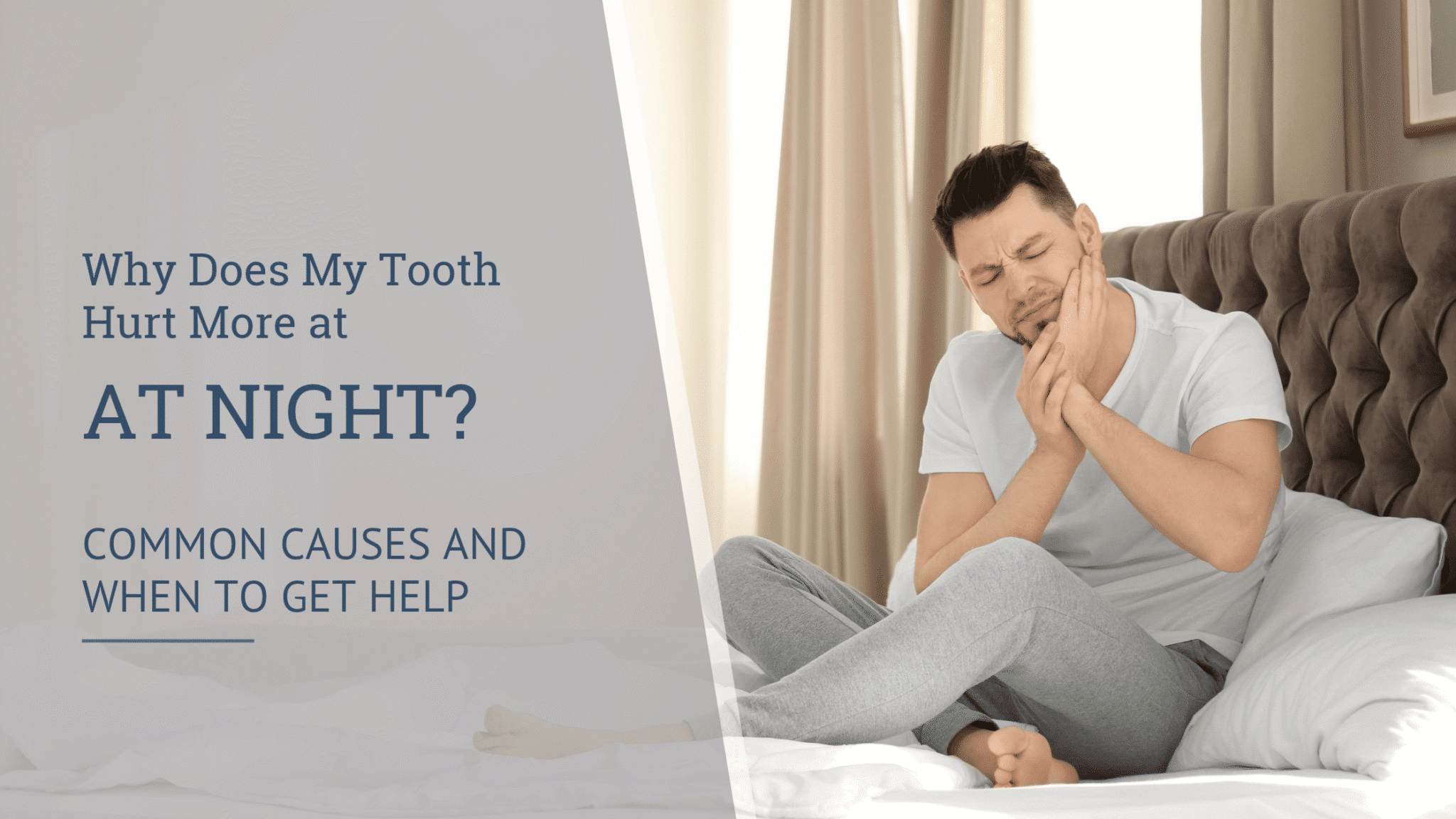
A toothache at night can make it difficult to relax, fall asleep, or get comfortable. You may feel fine throughout the day, only to notice throbbing tooth pain once your head hits the pillow. Sometimes, the discomfort becomes more intense when you lie down.
If you’ve ever wondered, “Why does my tooth hurt more at night?” you’re not alone. Nighttime tooth pain is a common concern, and several dental conditions can cause it.
At Eastern Idaho Endodontics, we help patients throughout Eastern Idaho and Western Wyoming understand the source of their tooth pain. While not every toothache requires a root canal, persistent or worsening discomfort can indicate a problem that needs professional attention.
Why Does a Toothache Get Worse at Night?
A toothache at night may feel more intense for several reasons. Changes in blood flow, inflammation, and even your surroundings can affect how you experience discomfort.
Here are three reasons tooth pain may become more noticeable at bedtime.
1. Lying Down Can Increase Pressure
When you lie flat, blood flow and pressure in your head can change. If a tooth is already inflamed, these changes may make the discomfort feel stronger.
For example, an irritated tooth nerve may cause a dull ache during the day. However, the same tooth may begin throbbing when you lie down.
This does not necessarily mean the infection or inflammation has suddenly become worse. Instead, changes in pressure may make existing symptoms more noticeable.
2. There Are Fewer Distractions at Night
During the day, work, conversations, and daily activities compete for your attention.
At night, your surroundings become quieter. As a result, you may become more aware of discomfort that was already present.
Even mild tooth pain can feel more intense when you’re trying to fall asleep.
3. Inflammation Can Cause Throbbing Pain
Inflammation is one of the body’s responses to irritation or injury.
When the soft tissue inside a tooth becomes inflamed, pressure can develop within the tooth’s rigid structure. This may contribute to persistent or throbbing pain.
If the inflammation becomes severe, the discomfort may continue even when you’re not eating or drinking.
6 Common Causes of Tooth Pain at Night
Several dental conditions can cause nighttime tooth pain. Understanding the possible causes can help you recognize when professional care may be necessary.
1. An Infected Tooth
A tooth infection is one possible cause of a severe toothache at night.
Bacteria can enter the inner portion of a tooth through deep decay, cracks, or previous dental damage. Once the pulp becomes infected, discomfort may develop.
Common symptoms include:
-
Throbbing or persistent tooth pain.
-
Sensitivity to hot or cold temperatures.
-
Pain when biting or chewing.
-
Swelling or tenderness near the affected tooth.
-
A bad taste in your mouth.
However, not every infected tooth causes severe pain. Some infections produce mild symptoms or no noticeable discomfort.
If the infection involves the pulp, root canal treatment may help eliminate the infection and preserve the natural tooth.
2. Deep Tooth Decay
Cavities can cause tooth sensitivity and discomfort, especially when decay reaches deeper layers of the tooth.
In the early stages, you may notice sensitivity to sweets or cold drinks.
As decay progresses, the tooth may become more sensitive to temperature changes or develop spontaneous pain.
If bacteria reach the pulp, inflammation or infection may occur.
Treating decay early can help prevent more extensive dental problems.
3. An Inflamed Tooth Nerve
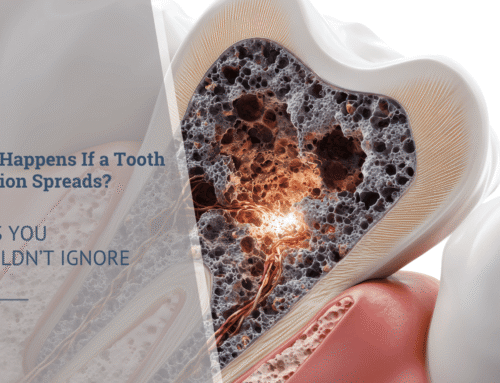
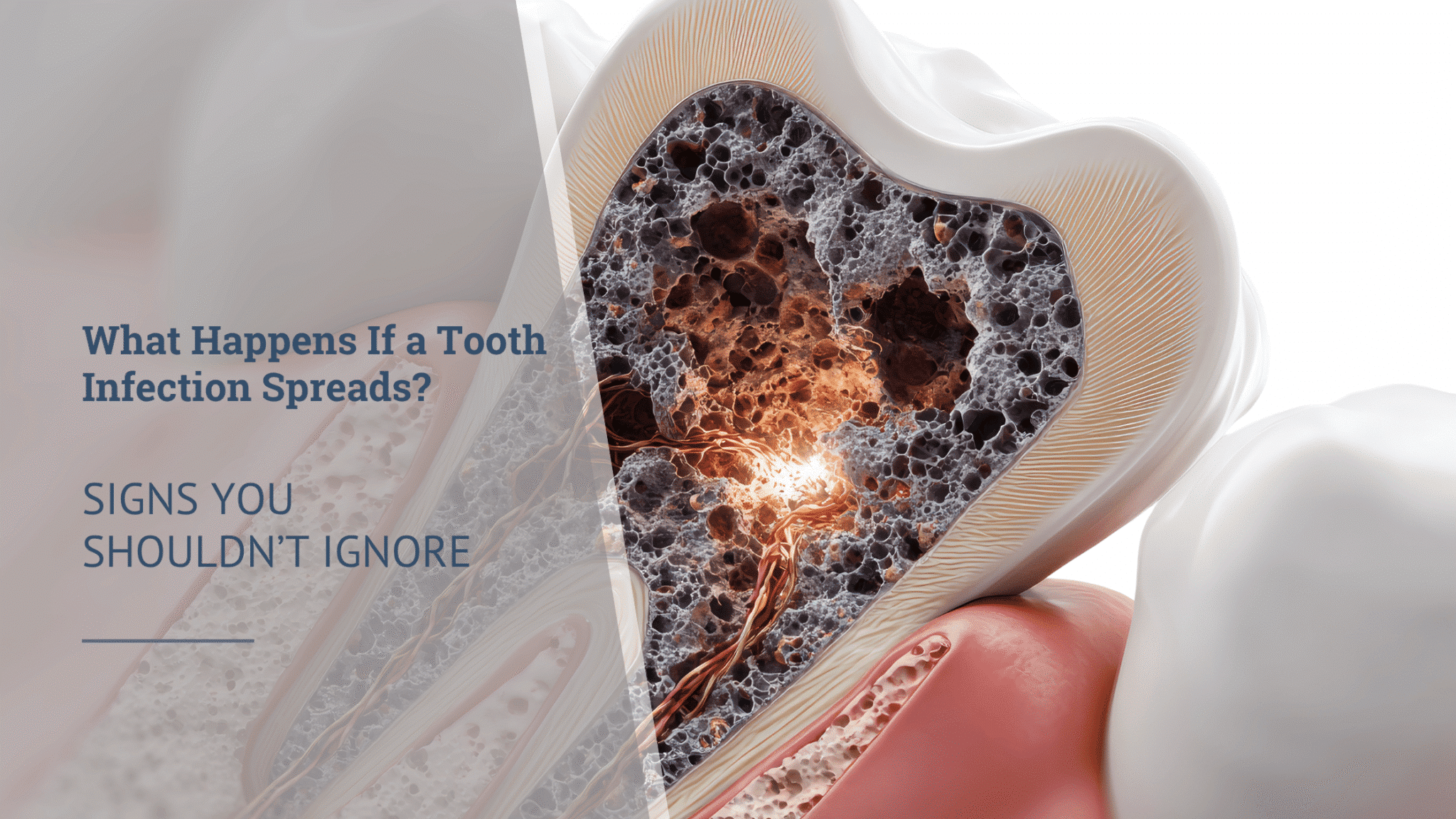
Inside every tooth is soft tissue called the pulp. It contains nerves, blood vessels, and connective tissue.
When this tissue becomes irritated, the condition is called pulpitis.
Mild inflammation may improve after the source of irritation is treated. However, severe inflammation may not heal on its own.
Symptoms of more advanced pulp inflammation can include:
-
Lingering pain after hot or cold exposure.
-
Spontaneous toothaches.
-
Throbbing discomfort.
-
Pain that interrupts sleep.
If the pulp is irreversibly inflamed, root canal treatment may be recommended to preserve the tooth.
4. Teeth Grinding or Clenching
Do you wake up with sore teeth or a tired jaw?
Grinding or clenching your teeth during sleep can place excessive pressure on your teeth and surrounding tissues.
This condition, known as bruxism, may cause:
-
Morning tooth sensitivity.
-
Jaw soreness or stiffness.
-
Headaches.
-
Discomfort when chewing.
-
Increased tooth wear.
Your general dentist can evaluate signs of grinding and recommend appropriate treatment.
If a tooth has developed a crack or internal damage, an endodontic evaluation may also be necessary.
5. A Cracked Tooth
A cracked tooth can cause unpredictable discomfort.
You may feel sharp pain when chewing certain foods. In other cases, temperature changes or inflammation inside the tooth may trigger an ache.
Some cracks are difficult to see during a routine examination.
Depending on the location and severity of the crack, treatment may involve a crown, root canal, or extraction.
Learn more about whether a cracked tooth can be saved with a root canal.
6. Sinus Pressure
Not every toothache begins inside a tooth.
Your upper back teeth sit close to the maxillary sinuses. When these sinuses become inflamed, pressure may create discomfort that feels like a toothache.
Sinus-related dental discomfort may affect several upper teeth rather than one specific tooth.
You might also notice:
-
Nasal congestion.
-
Facial pressure.
-
Discomfort when bending forward.
-
Symptoms associated with a cold or sinus infection.
However, sinus pressure and dental infections can produce similar symptoms.
A professional examination can help determine whether the pain is coming from your teeth or another source.
Why Does My Tooth Throb When I Lie Down?
Throbbing tooth pain when lying down can be associated with inflammation or infection.
When the tissues inside or around a tooth become inflamed, changes in pressure may make the discomfort more noticeable.
For some patients, the pain feels like a steady pulse. Others experience waves of discomfort that come and go.
Although throbbing pain does not always mean you need a root canal, it should not be ignored when it persists or worsens.
An endodontist can evaluate the tooth and help determine whether the pulp or surrounding tissues are involved.
How Can I Relieve a Toothache at Night?
If you develop tooth pain before you can see a dentist, a few simple steps may help manage the discomfort temporarily.
However, home care does not treat an underlying infection or damaged tooth nerve.
Keep Your Head Slightly Elevated
Try sleeping with an extra pillow to keep your head elevated.
This may reduce the pressure sensation that some people experience when lying flat.
Apply a Cold Compress
If you have discomfort or mild swelling, apply a cold compress to the outside of your cheek.
Wrap the cold pack in a towel and use it for short periods, such as 10 to 15 minutes at a time.
Avoid placing ice directly against your skin.
Avoid Very Hot, Cold, or Sweet Foods
Temperature changes and sugary foods can trigger discomfort in sensitive teeth.
Until your tooth is evaluated, choose foods and drinks that are less likely to aggravate the area.
You may also find it more comfortable to chew on the opposite side of your mouth.
Consider Over-the-Counter Pain Relief
Over-the-counter medications, such as ibuprofen or acetaminophen, may provide temporary relief when used according to the product instructions.
However, these medications are not appropriate for everyone. Certain medical conditions, medications, or allergies may affect which pain relievers are safe.
If you’re unsure, ask your healthcare provider or pharmacist.
Never place aspirin directly against your tooth or gums, as it can damage the surrounding tissues.
Schedule a Dental Evaluation
If your toothache continues, returns repeatedly, or becomes more intense, contact your dentist.
Temporary relief does not necessarily mean the underlying problem has resolved.
When Is a Nighttime Toothache Serious?
Some toothaches are caused by temporary irritation. Others may indicate a more significant dental problem.
You should arrange a dental evaluation if you experience:
-
Tooth pain that repeatedly wakes you from sleep.
-
Throbbing discomfort that continues without an obvious trigger.
-
Lingering sensitivity to hot or cold.
-
Pain when biting or chewing.
-
Swelling or tenderness around a tooth.
-
A recurring pimple-like bump on your gums.
These symptoms may indicate inflammation, infection, or structural damage.
Seek prompt dental care if you develop swelling, fever, or other signs of infection. If you experience difficulty breathing or swallowing, rapidly spreading facial swelling, or swelling affecting your eye, seek emergency medical care.
Early diagnosis can help identify the cause and determine the appropriate treatment.
Does a Toothache at Night Mean I Need a Root Canal?
Not necessarily.
A toothache at night can develop for several reasons, including decay, grinding, sinus pressure, or inflammation inside the tooth.
Root canal treatment may be necessary when the pulp becomes irreversibly inflamed or infected.
During a root canal, an endodontist removes the affected pulp, cleans and disinfects the root canal system, and seals the space.
The tooth is then restored to help protect its structure and function.
The goal is to address the source of discomfort while preserving your natural tooth whenever possible.
However, a professional examination is necessary to determine whether root canal treatment is appropriate.
How Does an Endodontist Diagnose Nighttime Tooth Pain?
Endodontists specialize in diagnosing complex tooth pain and treating conditions involving the inside of the tooth.
At Eastern Idaho Endodontics, our team uses specialized diagnostic techniques and modern technology to evaluate dental symptoms.
Depending on your situation, an examination may include:
-
Reviewing your symptoms and dental history.
-
Testing your tooth’s response to temperature.
-
Evaluating discomfort when biting.
-
Examining the tooth for cracks or damage.
-
Reviewing dental X-rays.
-
Using advanced imaging when clinically appropriate.
These findings help determine whether your discomfort is related to the tooth’s pulp, surrounding tissues, or another dental condition.
Our goal is to provide an accurate diagnosis and recommend treatment based on your individual needs.
Frequently Asked Questions About Toothaches at Night
Why does my tooth hurt at night but not during the day?
Changes in pressure when lying down, inflammation, and fewer distractions may make existing tooth pain more noticeable at night. However, recurring discomfort can also indicate decay, a cracked tooth, or an infected tooth nerve.
Can a tooth infection cause pain only at night?
Yes. Some infected teeth cause intermittent discomfort that becomes more noticeable at night. However, nighttime pain alone cannot confirm an infection. A dental examination is needed to identify the cause.
Will a nighttime toothache go away on its own?
Some temporary tooth irritation may improve. However, pain caused by an infected or irreversibly inflamed tooth pulp generally requires professional treatment. Even if the pain disappears, the underlying problem may remain.
Why does my tooth throb when I lie down?
Throbbing tooth pain when lying down may be associated with inflammation and changes in pressure around the affected tooth. Persistent throbbing discomfort should be evaluated by a dental professional.
Can I sleep with a toothache?
Keeping your head elevated, avoiding triggering foods, and using appropriate over-the-counter pain relief may help temporarily. However, these measures do not replace dental treatment when an underlying problem is present.
Should I see an endodontist for nighttime tooth pain?
If your dentist suspects a problem involving the tooth’s pulp or roots, an endodontist can provide specialized evaluation and treatment. An endodontist may also help diagnose recurring tooth pain when the cause is difficult to identify.
Specialized Tooth Pain Care in Eastern Idaho and Western Wyoming
If a toothache at night is keeping you awake, understanding the cause is the first step toward finding relief.
Eastern Idaho Endodontics specializes in diagnosing tooth pain and treating conditions affecting the inside of your teeth.
Our experienced team focuses on preserving natural teeth whenever possible through precise, patient-centered endodontic care.
We serve patients at seven locations throughout the region:
-
Idaho Falls, Idaho
-
Pocatello, Idaho
-
Rexburg, Idaho
-
Burley, Idaho
-
Hailey, Idaho
-
Jackson, Wyoming
-
Pinedale, Wyoming
Whether you’ve been referred by your general dentist or need answers about recurring tooth pain, our team is here to help.
Don’t Let a Nighttime Toothache Go Unchecked
A toothache at night can be frustrating, especially when the discomfort keeps returning.
While some causes are relatively minor, persistent or throbbing tooth pain can indicate inflammation, infection, or another dental condition that needs attention.
At Eastern Idaho Endodontics, we are committed to helping patients understand their symptoms and explore treatment options that protect their natural teeth.
If nighttime tooth pain is affecting your sleep, contact Eastern Idaho Endodontics to learn more about our specialized endodontic services and locations.