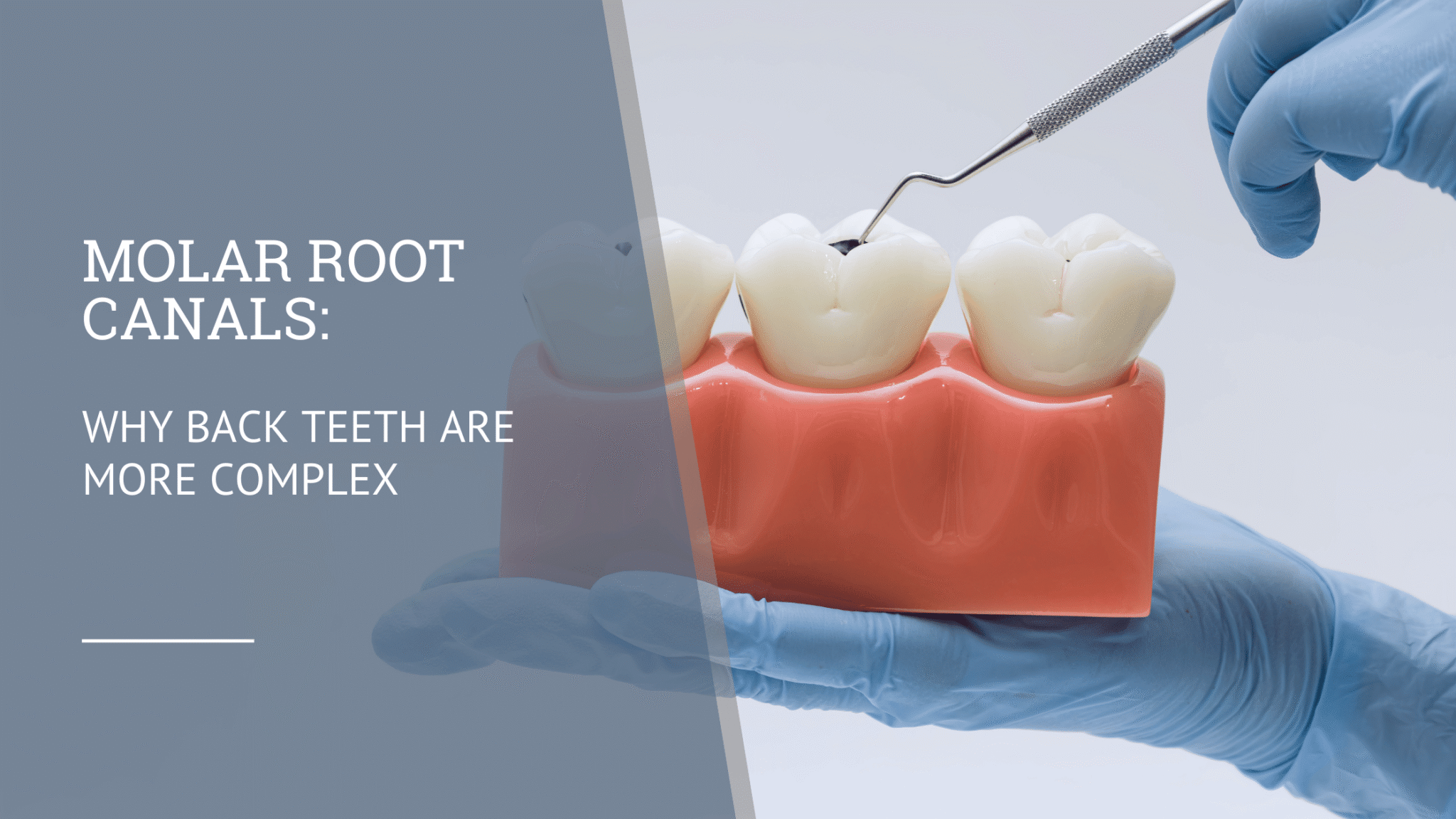
Not all root canals are the same. When patients hear they need a molar root canal, they often ask why treatment sounds more involved than a root canal on a front tooth. The short answer is this: back teeth are more complex by nature.
Understanding why molar root canals are different—and how that affects treatment and cost—can help patients feel more confident and prepared.
At Eastern Idaho Endodontics, we regularly treat molars that require advanced expertise to save.
What Is a Molar Root Canal?
A molar root canal treats infection or damage inside one of the back teeth, typically the premolars or molars used for chewing. These teeth absorb the greatest biting forces and play a critical role in daily function.
Because of their structure, molars often require more time, precision, and specialized tools than front teeth.
Why Molar Root Canals Are More Complex
Several factors make molar root canal treatment more challenging.
1. More Root Canals
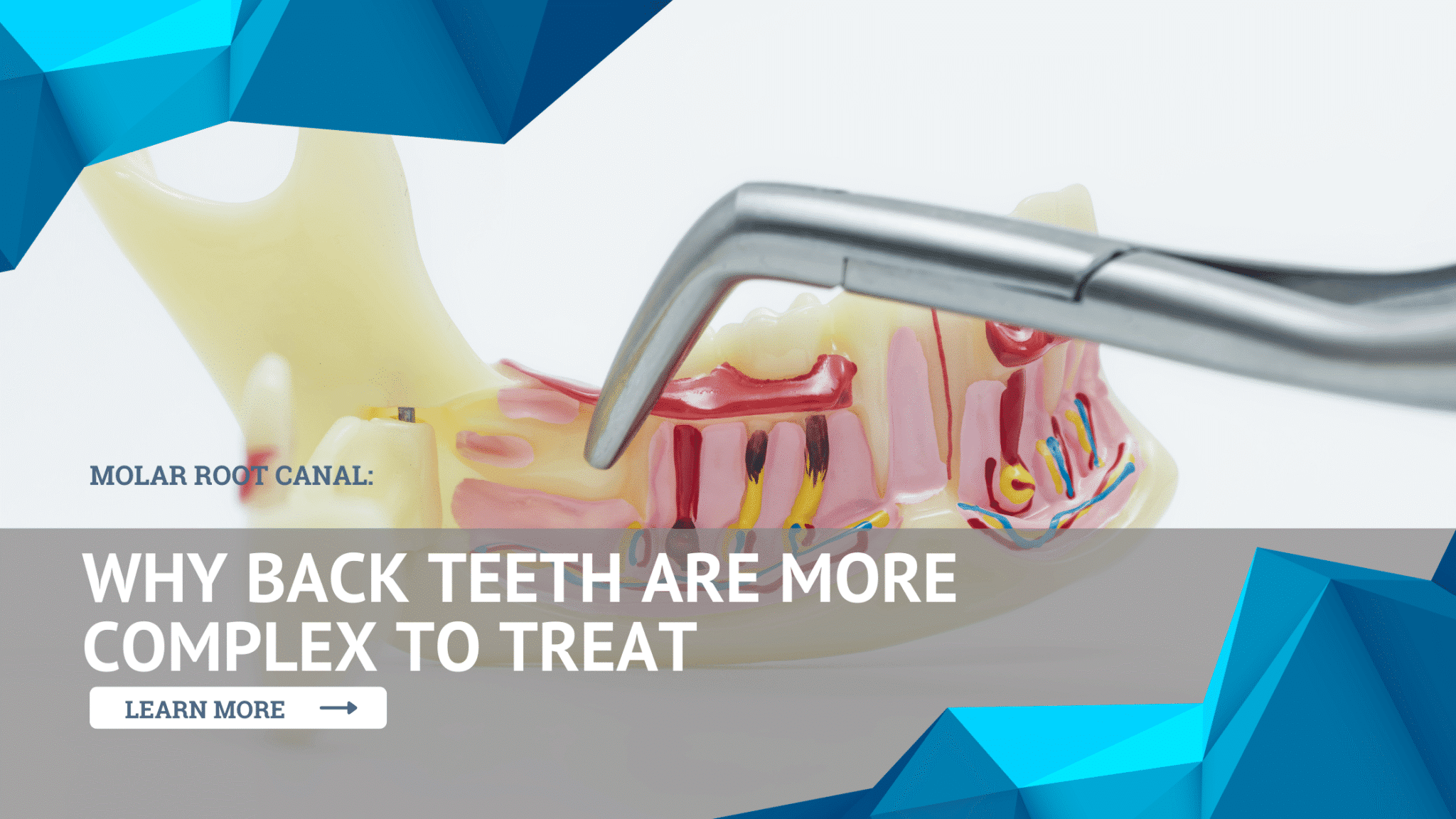
Front teeth usually have one root canal. Molars often have three to four canals, and sometimes more. Each canal must be thoroughly cleaned and sealed to prevent reinfection.
2. Curved and Narrow Canals
Molar canals are frequently curved, narrow, or branching. These shapes make them harder to access and clean completely without advanced techniques.
3. Limited Visibility
Molars sit farther back in the mouth, making visibility and access more difficult. Specialized magnification and lighting are often needed to treat them properly.
4. Higher Bite Pressure
Molars handle most of the chewing force. This means they are more likely to develop cracks, fractures, or structural stress that complicates treatment.
Symptoms That May Point to a Molar Root Canal
Symptoms of an infected molar are similar to other teeth but can feel more intense due to the tooth’s size and location. Common signs include:
-
Deep, persistent tooth pain
-
Pain when chewing or biting
-
Sensitivity to heat that lingers
-
Swelling in the gums or jaw
-
Pressure or aching near the back teeth
Ignoring these symptoms can allow infection to spread further.
Why Seeing an Endodontist Matters for Molars
Because molar root canals are more complex, they are often referred to an endodontist. Endodontists have advanced training, imaging, and equipment designed to manage difficult canal anatomy.
This specialized care improves:
-
Accuracy of canal detection
-
Infection removal
-
Long-term tooth survival
In many cases, expert treatment is what makes saving the tooth possible.
Cost of a Molar Root Canal: Why It Can Be Higher
The cost of a molar root canal is typically higher than treatment on a front tooth. This is not due to location alone, but because of:
-
Additional canals
-
Longer treatment time
-
Greater technical complexity
-
Advanced imaging and tools required
While the cost may be higher upfront, saving a natural tooth often prevents more expensive procedures later.
Can a Molar Be Saved Long-Term?
Yes. With proper treatment and restoration, a molar root canal can last many years—or even a lifetime. After treatment, most molars require a crown to protect the tooth and restore strength.
Preserving the natural tooth helps maintain proper bite alignment and chewing function.
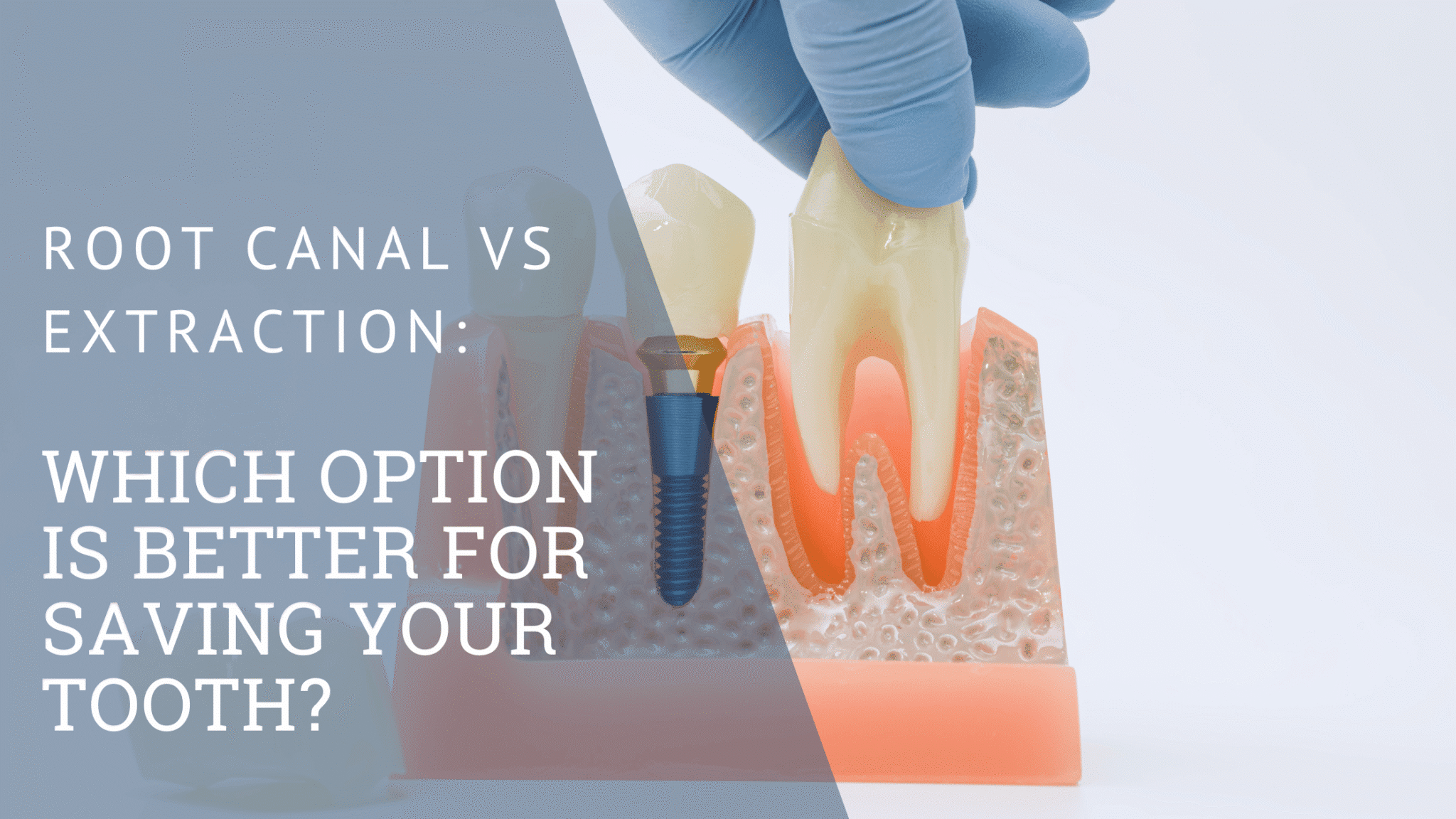
When Extraction Is Considered
In some cases, extraction may be recommended if:
-
The tooth has severe structural damage
-
Cracks extend below the gum line
-
Infection cannot be controlled
Whenever possible, saving the tooth remains the preferred option.
Final Thoughts
Molar root canals are more complex, but they are also highly successful when treated by experienced specialists. Understanding why these teeth require additional care helps patients make informed decisions about their dental health.
If you’ve been told you need a molar root canal, a thorough evaluation can clarify your options and next steps.