If your dentist says you need a root canal, you may wonder how quickly you actually need to schedule treatment. After all, what if the tooth only hurts occasionally? What if the pain has stopped completely?
So, how long can you wait to get a root canal?
There is no single timeline that applies to every tooth. However, once a dentist or endodontist has determined that root canal treatment is necessary, delaying treatment is generally not recommended. An inflamed or infected tooth can become more difficult to treat if the underlying problem progresses.
Most importantly, less pain does not always mean the tooth is getting better.
Why Would a Dentist Recommend a Root Canal?
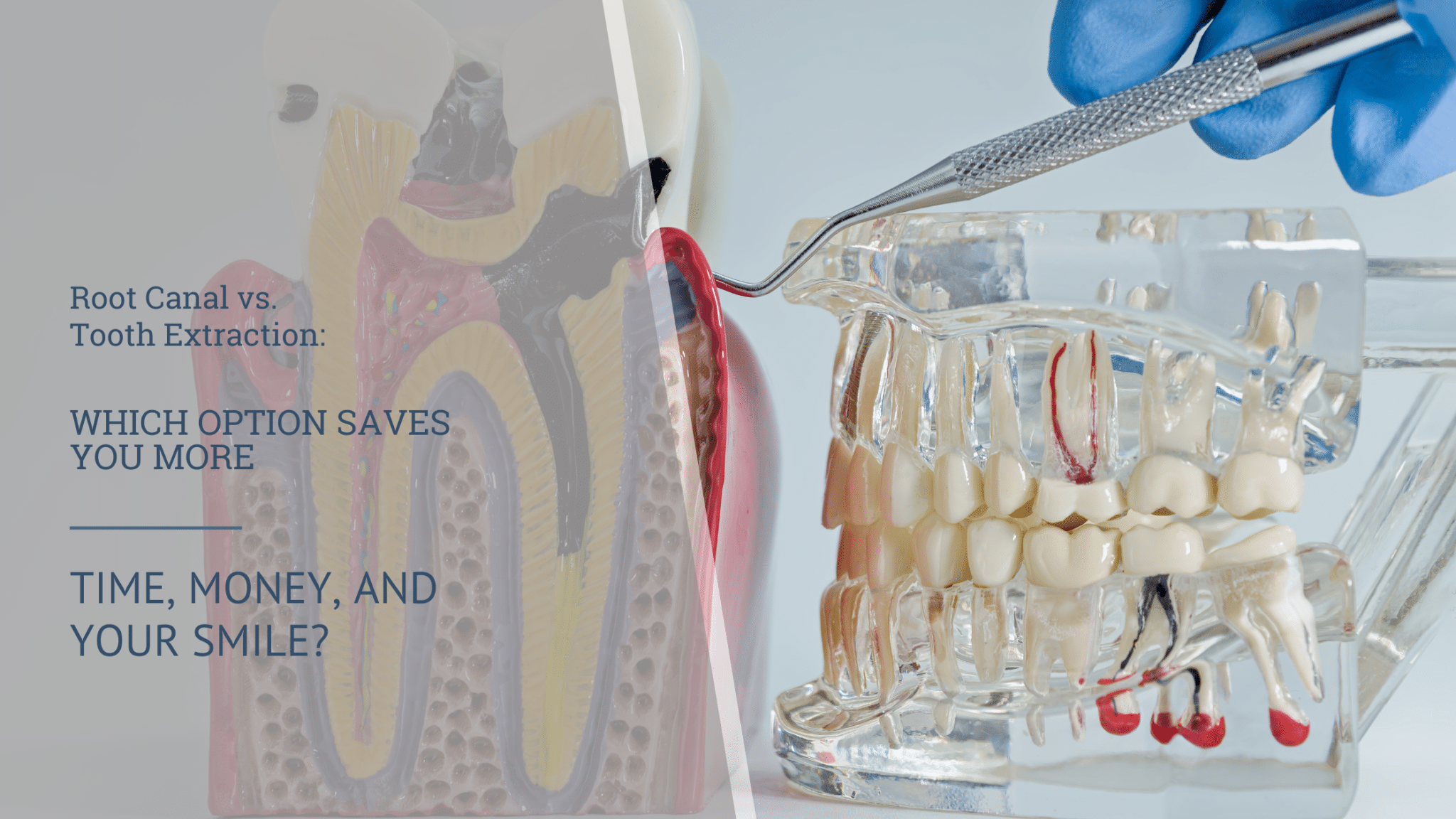
Inside every tooth is soft tissue called the dental pulp. It contains nerves, blood vessels, and connective tissue.
Deep decay, cracks, dental trauma, or other damage can cause the pulp to become severely inflamed or infected. When the pulp cannot recover, root canal treatment may be recommended.
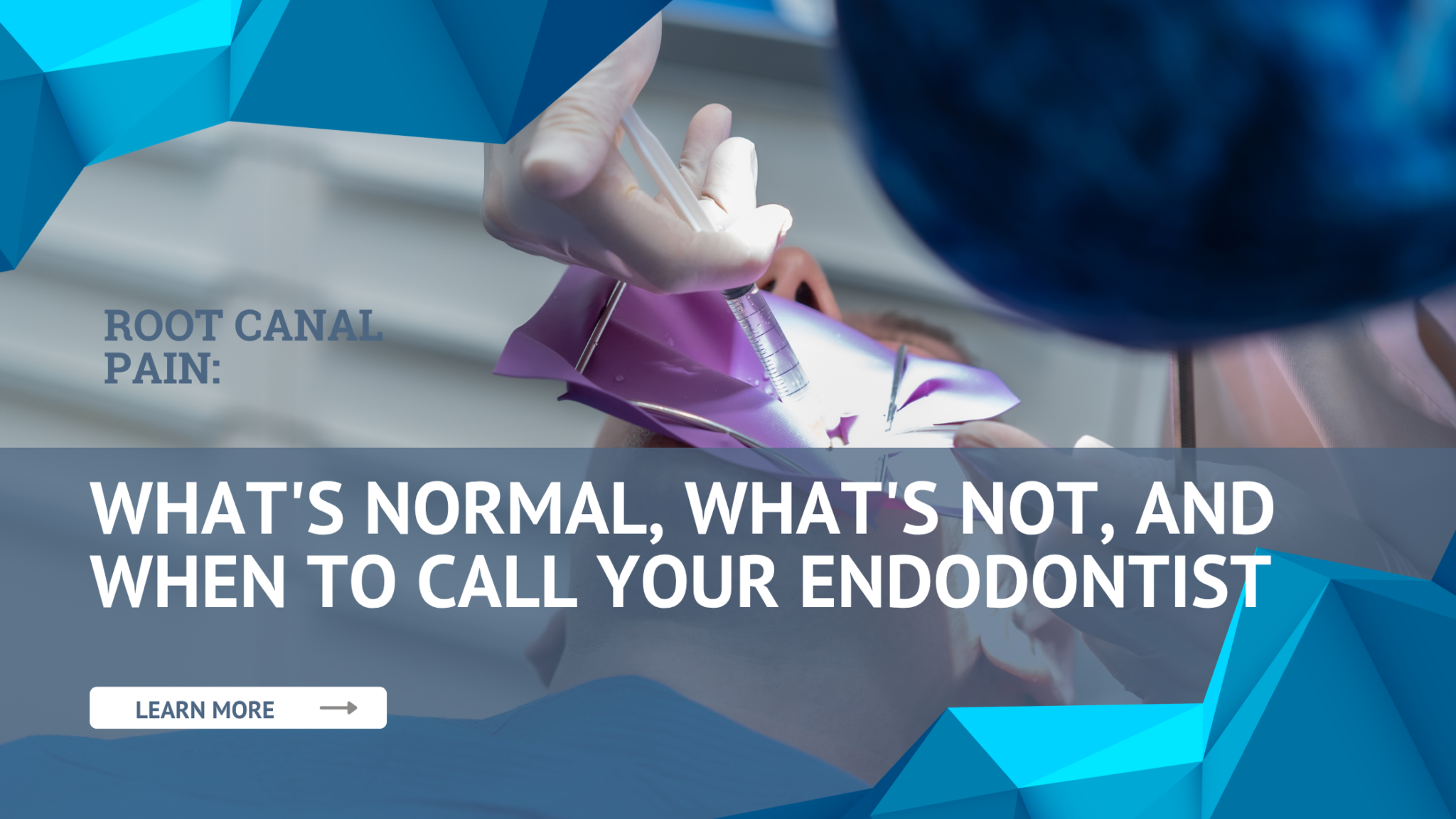
During a root canal, the damaged or infected pulp is removed. The inside of the tooth is then carefully cleaned, shaped, and sealed.
The purpose of treatment is simple: address the problem inside the tooth while helping you keep your natural tooth whenever possible.
How Long Can You Wait to Get a Root Canal?
If you’ve already been told you need a root canal, it’s best to schedule treatment as soon as reasonably possible.
That doesn’t mean every patient needs treatment within a few hours. However, there also isn’t a universal “safe” number of days or weeks to wait.
Dental infections and inflammation can progress differently from one person to another. A tooth that feels manageable today could become significantly more painful later.
For that reason, your dentist or endodontist should determine the appropriate timing based on your specific tooth.
What Happens If You Wait Too Long for a Root Canal?
Delaying a recommended root canal gives the underlying problem more time to progress.
Depending on the condition of the tooth, waiting may lead to:
- Increasing tooth pain
- Pain when biting or chewing
- Swelling around the tooth or gums
- Development or worsening of an abscess
- Drainage or a bad taste in your mouth
- Increased damage to the surrounding tissues
- A more complicated dental problem
In some situations, extensive damage can also reduce the options available for saving the natural tooth.
Getting treatment at the recommended time may help prevent the situation from becoming more complicated.
What If My Tooth Doesn’t Hurt Anymore?
This is one of the most important things to understand about root canal symptoms.
A tooth that stops hurting is not necessarily a tooth that has healed.
When the pulp inside a tooth becomes severely damaged, the nerve tissue may eventually stop functioning. As that happens, the original toothache may decrease or disappear.
However, bacteria and infection can still remain around the root of the tooth.
Therefore, don’t use pain alone to decide whether you still need treatment. If you’ve been diagnosed as needing a root canal, talk with your dentist or endodontist before deciding to postpone it.
Can a Tooth Infection Heal on Its Own?
An infection inside the root canal system generally cannot be expected to resolve simply because you wait.
The inside of a tooth is different from many other areas of the body. Once the pulp has become infected or irreversibly damaged, professional dental treatment is typically needed to address the source of the problem.
This is why an evaluation matters.
Your provider can determine whether the pulp is capable of healing or whether root canal treatment is necessary.
Can Antibiotics Help Me Avoid a Root Canal?
Patients sometimes wonder whether antibiotics can be used instead of root canal treatment.
Antibiotics can be appropriate in certain dental infections, particularly when there are signs that an infection is spreading. However, antibiotics do not replace treatment of the source inside an infected tooth.
If bacteria remain within the root canal system, symptoms can return after antibiotics are finished.
Your dentist or endodontist will determine whether antibiotics are appropriate in addition to dental treatment.
Should I Wait Until My Root Canal Starts Hurting?
No. You don’t need to wait for severe pain before treating a diagnosed problem.
In fact, some teeth that need root canal treatment cause surprisingly few symptoms.
Your dentist may discover a problem through an examination or dental X-ray before you experience significant discomfort.
Waiting for severe pain can turn a manageable situation into an urgent dental problem.
If you’ve already received a diagnosis, following the recommended treatment plan is generally the better approach.
Signs You Should Seek Dental Care Quickly
Some symptoms deserve prompt attention.
Contact a dental professional if you develop:
- Significant or worsening tooth pain
- Facial or gum swelling
- Pain when biting
- A recurring bump on your gums
- Drainage around a tooth
- Fever along with dental swelling or infection symptoms
- Difficulty swallowing or breathing
Difficulty breathing or swallowing, significant facial swelling, or other signs of a rapidly spreading infection can require emergency medical attention.
When you’re unsure, contact your dental provider rather than waiting to see whether symptoms disappear.
What If I Need to Delay My Root Canal?
Sometimes scheduling, travel, work, finances, or other circumstances make immediate treatment difficult.
If you cannot schedule your root canal right away, tell your dentist or endodontist.
Don’t simply postpone the appointment without discussing it.
Your provider can explain how urgent your specific situation is and whether any temporary measures are appropriate while you wait.
In the meantime, avoid chewing hard foods on the affected tooth, especially if the tooth is weakened or cracked. Also, continue brushing and flossing unless your dental provider gives you different instructions.
Why See an Endodontist for a Root Canal?
Endodontists specialize in diagnosing tooth pain and treating problems involving the dental pulp and root canal system.
After dental school, endodontists complete additional specialized training focused on saving teeth through endodontic treatment.
They routinely treat:
- Infected or inflamed dental pulp
- Complex root canal systems
- Previously treated teeth that develop new problems
- Cracked teeth
- Dental trauma
- Difficult-to-diagnose tooth pain
This specialized experience can be particularly valuable when you’re trying to determine whether a painful or damaged tooth can be saved.
Is It Better to Get a Root Canal Earlier?
When root canal treatment is necessary, addressing the problem before it becomes more advanced can help reduce the risk of additional complications.
The goal isn’t simply to stop a toothache.
The goal is to remove the source of inflammation or infection, protect the surrounding tissues, and preserve the natural tooth when possible.
That’s why waiting until you “can’t take the pain anymore” isn’t a good treatment strategy.
Frequently Asked Questions About Waiting for a Root Canal
Can I wait a week to get a root canal?
Possibly, but only your dentist or endodontist can tell you whether waiting is appropriate for your specific tooth. There is no universal safe waiting period. If you’ve been told you need treatment, schedule it as soon as reasonably possible.
Can I wait a month for a root canal?
Waiting a month may allow an existing problem to progress. Instead of choosing a timeline yourself, ask your dental provider how urgently your tooth needs treatment.
What happens if I never get the root canal?
If a tooth has infected or irreversibly damaged pulp, leaving the problem untreated may allow pain, infection, or damage to progress. Eventually, the tooth may become more difficult—or sometimes impossible—to save.
Why did my tooth stop hurting before my root canal?
Pain can decrease when severely damaged nerve tissue stops functioning. Therefore, disappearing pain does not necessarily mean the underlying dental problem has resolved.
Can I delay a root canal if I’m taking antibiotics?
Do not assume antibiotics make it safe to postpone recommended treatment. Antibiotics may help manage certain aspects of an infection, but they do not necessarily eliminate bacteria within the root canal system.
Can an endodontist tell if my tooth can still be saved?
Yes. An endodontist can evaluate the tooth, surrounding tissues, dental imaging, symptoms, and other factors to determine whether root canal treatment or another treatment may help preserve it.
Don’t Wait for Tooth Pain to Become an Emergency
If you’ve been told you need a root canal, the best time to address it is generally before the problem becomes more painful or complicated.
There isn’t a standard number of days that every patient can safely wait. Your symptoms may change, and pain may even disappear, but that doesn’t tell you what is happening inside the tooth.
An evaluation from an endodontist can give you a clearer answer.
Eastern Idaho Endodontics specializes in diagnosing tooth pain and performing advanced endodontic treatment with one primary goal: helping patients save their natural teeth whenever possible.
If you’ve been told you need a root canal, don’t wait for severe pain to make the decision for you.
Schedule an appointment with Eastern Idaho Endodontics to have your tooth evaluated and get the treatment you need.