
When you have a toothache or need a root canal, you may wonder whether to visit your regular dentist or an endodontist. Understanding the difference between an endodontist vs dentist can help you make an informed decision about your dental care.
Both professionals play important roles in keeping your teeth healthy. However, endodontists have additional training focused on diagnosing tooth pain and treating problems inside the tooth.
At Eastern Idaho Endodontics, we specialize in helping patients throughout Eastern Idaho and Western Wyoming save their natural teeth whenever possible.
Let’s explore what an endodontist does, how their training differs, and when specialized care may be beneficial.
What Is an Endodontist?
An endodontist is a dentist who specializes in diagnosing tooth pain and treating conditions affecting the dental pulp and tissues surrounding the roots of teeth.
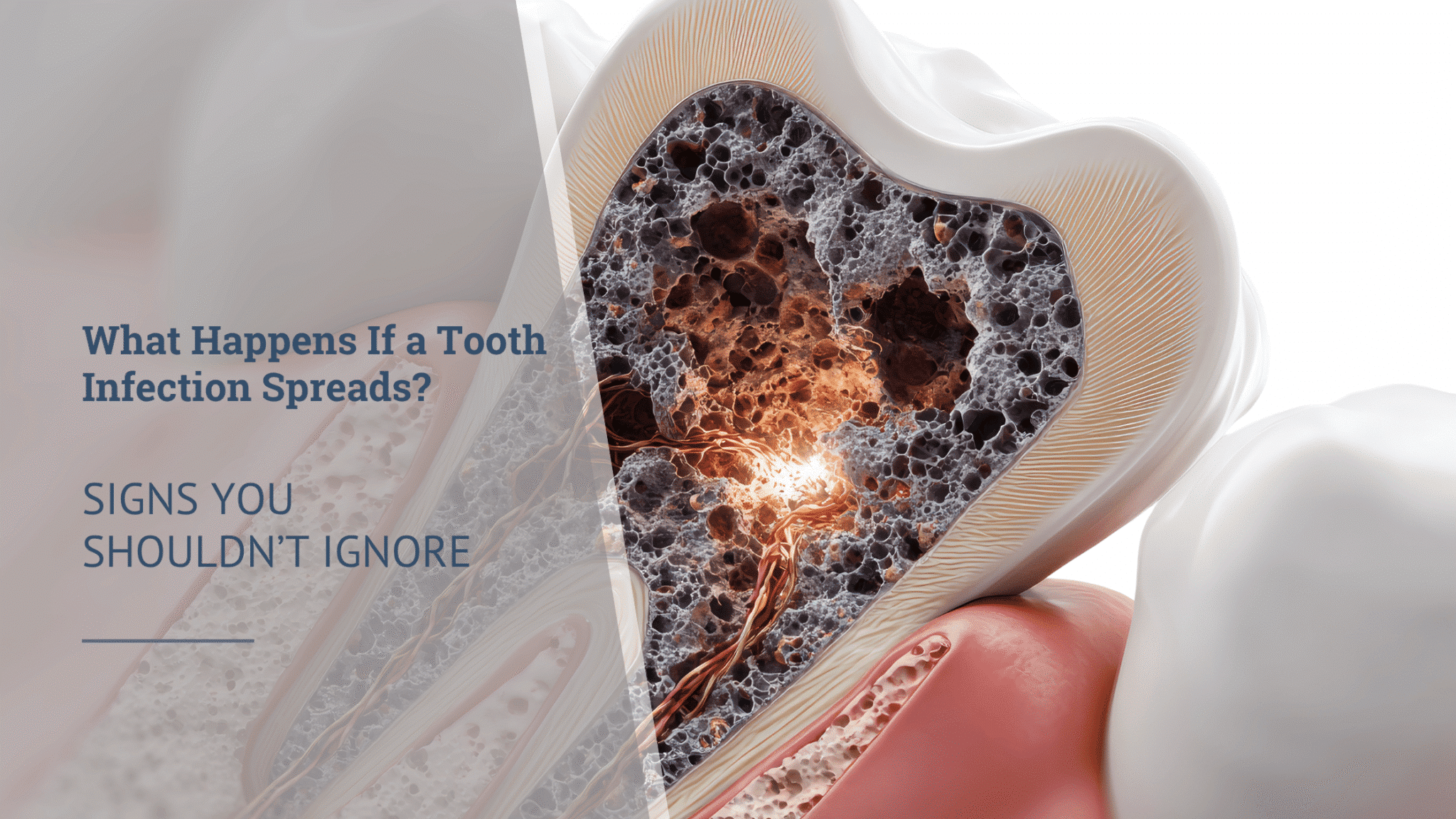
The pulp is the soft tissue inside your tooth. It contains nerves, blood vessels, and connective tissue.
When the pulp becomes inflamed or infected, treatment may be necessary to relieve discomfort and preserve the tooth.
Endodontists specialize in procedures such as:
-
Root canal treatment.
-
Root canal retreatment.
-
Diagnosis of complex tooth pain.
-
Treatment of certain cracked teeth.
-
Endodontic surgery, including apicoectomy.
-
Management of dental injuries involving the pulp or roots.
While general dentists provide a wide range of dental services, endodontists concentrate on these specialized procedures.
Their primary goal is to preserve natural teeth whenever possible.
Endodontist vs Dentist: What’s the Difference?
The biggest difference between an endodontist and a general dentist is the scope of their training and daily practice.
General dentists provide comprehensive oral healthcare. They perform routine examinations, cleanings, fillings, crowns, and many other dental procedures.
Endodontists focus specifically on diagnosing and treating problems involving the inside of the tooth.
Here’s a simple comparison.
| General Dentist | Endodontist |
|---|---|
| Provides routine and preventive dental care | Specializes in diagnosing tooth pain and treating the dental pulp |
| Treats cavities and places fillings | Performs specialized root canal procedures |
| Places crowns and other restorations | Evaluates complex root canal anatomy |
| Manages overall oral health | Focuses on preserving teeth affected by pulp or root problems |
| May perform root canals | Routinely performs root canals and retreatments |
| Completes dental school | Completes dental school plus additional specialty training |
Both professionals work together to help patients maintain healthy, functional smiles.
In many cases, your general dentist identifies a problem and refers you to an endodontist for specialized treatment.
5 Things an Endodontist Specializes In
Endodontists receive additional training that prepares them to manage complex conditions involving the tooth’s internal structures.
Here are five areas where their expertise can be especially valuable.
1. Diagnosing Difficult Tooth Pain
Not every toothache has an obvious cause.
You may experience pain when biting, lingering sensitivity to cold, or discomfort that seems to move between teeth.
In some cases, the affected tooth looks completely normal.
Endodontists are trained to investigate these symptoms and identify whether the problem involves the pulp, roots, or surrounding tissues.
Depending on your symptoms, an evaluation may include:
-
Temperature sensitivity testing.
-
Bite and pressure testing.
-
Dental X-rays.
-
Examination for cracks or fractures.
-
Advanced imaging when appropriate.
These tests help determine whether endodontic treatment is needed.
If you’re experiencing discomfort that becomes worse at bedtime, our article about why tooth pain gets worse at night explains several possible causes.
2. Performing Root Canal Treatment
Root canal treatment is one of the most common procedures performed by endodontists.
When the pulp becomes infected or irreversibly inflamed, a root canal may allow the tooth to be saved.
During treatment, the endodontist removes the affected tissue, cleans and disinfects the root canal system, and seals the space.
Your general dentist then completes the appropriate permanent restoration, such as a filling or crown.
Because endodontists focus on these procedures, they develop extensive experience working with different root canal shapes and complex tooth anatomy.
At Eastern Idaho Endodontics, we use modern endodontic techniques and technology to provide precise, patient-centered treatment.
3. Treating Complex Root Canal Cases
Some teeth are more difficult to treat than others.
For example, molars often have multiple roots and narrow, curved canals. Some teeth also have unusual internal anatomy that makes treatment more challenging.
Endodontists receive specialized training to manage these situations.
Their experience can be particularly helpful when:
-
Root canals are narrow or curved.
-
A tooth has unusual root anatomy.
-
Previous dental work makes treatment more complex.
-
An infection is difficult to diagnose.
-
A tooth requires additional endodontic treatment.
The goal is to treat the affected tooth as thoroughly as possible while preserving its natural structure.
4. Saving Teeth After Previous Root Canal Treatment
Although root canal treatment is highly successful, some teeth develop new problems months or years later.
For example, a tooth may become reinfected because of new decay, a damaged restoration, or complex anatomy that was difficult to treat initially.
In some cases, an endodontist can perform root canal retreatment.
During retreatment, the existing root canal filling material is removed so the canals can be examined, cleaned, and sealed again.
This procedure may provide another opportunity to preserve the natural tooth.
Learn more about why root canals sometimes fail and when retreatment may help.
5. Performing Endodontic Surgery
Sometimes, conventional root canal treatment or retreatment cannot fully address a problem near the tooth’s root.
In certain situations, an endodontist may recommend endodontic surgery.
One example is an apicoectomy.
During this procedure, the endodontist accesses the area around the root tip, removes affected tissue, and seals the end of the root.
An apicoectomy may help preserve a tooth that would otherwise be difficult to treat.
However, surgery is not necessary for most patients receiving root canal treatment.
Your endodontist will recommend the approach that best fits your dental condition.
Can a General Dentist Perform a Root Canal?
Yes. General dentists can perform root canal treatment.
Many general dentists successfully treat straightforward cases, particularly when the tooth has relatively simple anatomy.
However, they may refer patients to an endodontist when treatment is more complex.
For example, a referral may be recommended when a tooth has curved canals, unusual anatomy, or persistent symptoms that are difficult to diagnose.
A referral does not necessarily mean something is seriously wrong.
Instead, it allows you to receive specialized care when additional expertise may be helpful.
General dentists and endodontists often work closely together throughout the treatment process.
Why Would My Dentist Refer Me to an Endodontist?
Your dentist may recommend an endodontist when a tooth requires specialized evaluation or treatment.
Common reasons for referral include:
-
Persistent tooth pain without an obvious cause.
-
A suspected infection inside the tooth.
-
A cracked tooth that may involve the pulp.
-
A molar with complex root anatomy.
-
A previous root canal that needs retreatment.
-
A dental injury affecting the tooth’s internal tissues.
-
A possible need for endodontic surgery.
In many cases, your dentist has already identified a concern and wants a specialist to evaluate the tooth.
This collaborative approach helps ensure that you receive care suited to your individual needs.
What Makes a Root Canal Specialist Different?
An endodontist completes dental school followed by at least two additional years of advanced specialty training in endodontics.
This education focuses on diagnosing tooth pain, understanding complex root canal anatomy, and performing specialized endodontic procedures.
Endodontists also use equipment and techniques designed for treating the internal structures of teeth.
Depending on the case, these may include operating microscopes, specialized instruments, and advanced imaging.
At Eastern Idaho Endodontics, our team uses modern technology to support accurate diagnosis and precise treatment.
Our focus is on providing comfortable, specialized care while helping patients keep their natural teeth whenever possible.
Does Seeing an Endodontist Mean I Need a Root Canal?
Not always.
An endodontic consultation does not automatically mean you’ll need root canal treatment.
Sometimes, symptoms are caused by problems that do not involve the tooth’s pulp.
For example, discomfort may result from teeth grinding, a bite problem, or another dental condition.
An endodontist evaluates your symptoms and helps determine whether endodontic treatment is necessary.
If a root canal is not appropriate, your endodontist may recommend another treatment or refer you back to your general dentist.
The goal is to identify the source of the problem before recommending a procedure.
Is It Better to See an Endodontist for a Root Canal?
Both general dentists and endodontists can provide root canal treatment.
However, an endodontist may be particularly beneficial when a tooth has complex anatomy, a previous root canal, or symptoms that are difficult to diagnose.
Because endodontists focus on treating problems inside teeth, they have specialized training and extensive experience with these procedures.
Your general dentist can help determine whether a referral is appropriate.
If you’re considering whether to save a damaged tooth, read our article about root canal vs. tooth extraction to understand the long-term considerations.
What Should I Expect at an Endodontist Appointment?
If you’ve never visited an endodontist, knowing what to expect can make your appointment feel more comfortable.
Your visit will generally begin with a review of your symptoms and dental history.
Next, your endodontist will examine the affected tooth and perform any necessary diagnostic tests.
These tests may include X-rays, temperature testing, or checking how your tooth responds to pressure.
After reviewing the findings, your endodontist will explain the diagnosis and discuss recommended treatment options.
If root canal treatment is necessary, your team will explain the procedure and answer your questions.
Our goal at Eastern Idaho Endodontics is to help every patient feel informed and comfortable throughout their care.
Frequently Asked Questions About Endodontists
What does an endodontist do that a dentist doesn’t?
An endodontist specializes in diagnosing tooth pain and treating problems involving the dental pulp and roots. General dentists provide a broader range of dental services, including preventive care, fillings, crowns, and routine examinations.
Is an endodontist the same as a root canal specialist?
Yes. An endodontist is a dental specialist with advanced training in root canal treatment and other procedures involving the inside of teeth.
Do I need a referral to see an endodontist?
Referral requirements vary by practice and insurance plan. Many patients are referred by their general dentist, but some patients seek an endodontic consultation directly. Contact the practice and your insurance provider to confirm any requirements.
Can an endodontist save a tooth that needs to be pulled?
Sometimes. An endodontist may be able to save a tooth through root canal treatment, retreatment, or endodontic surgery. However, some teeth cannot be predictably restored and may require extraction.
Is an endodontist more qualified than a general dentist?
Endodontists have additional specialty training in diagnosing tooth pain and performing endodontic procedures. General dentists have broad training in overall dental care. Each professional provides important expertise in different areas.
Does an endodontist only perform root canals?
No. Endodontists also diagnose complex tooth pain, perform retreatments, evaluate cracked teeth, manage certain dental injuries, and provide endodontic surgery when necessary.
How do I know if I need an endodontist?
You may benefit from an endodontic evaluation if you have persistent tooth pain, lingering temperature sensitivity, a suspected tooth infection, or a previous root canal that requires further treatment. Your general dentist can also recommend a referral.
Specialized Endodontic Care in Eastern Idaho and Western Wyoming
At Eastern Idaho Endodontics, we work closely with referring dentists to provide specialized care for patients experiencing tooth pain and complex dental conditions.
Our team focuses on accurate diagnosis, modern treatment techniques, and preserving natural teeth whenever possible.
We serve patients at seven locations throughout Eastern Idaho and Western Wyoming:
-
Idaho Falls, Idaho
-
Pocatello, Idaho
-
Rexburg, Idaho
-
Burley, Idaho
-
Hailey, Idaho
-
Jackson, Wyoming
-
Pinedale, Wyoming
Whether your dentist has recommended a root canal specialist or you’re looking for answers about ongoing tooth discomfort, our team is here to help.
When Specialized Care Matters, We’re Here to Help
Understanding the difference between an endodontist vs dentist can help you feel more confident about your dental care.
General dentists help maintain your overall oral health. Endodontists provide additional expertise when problems involve the inside of your teeth.
Together, these professionals help patients receive the care they need while preserving natural teeth whenever possible.
At Eastern Idaho Endodontics, we’re committed to providing precise, compassionate treatment and helping patients make informed decisions about their dental health.
If you’ve been referred to a root canal specialist or have questions about persistent tooth pain, contact Eastern Idaho Endodontics to learn more about our services and locations.