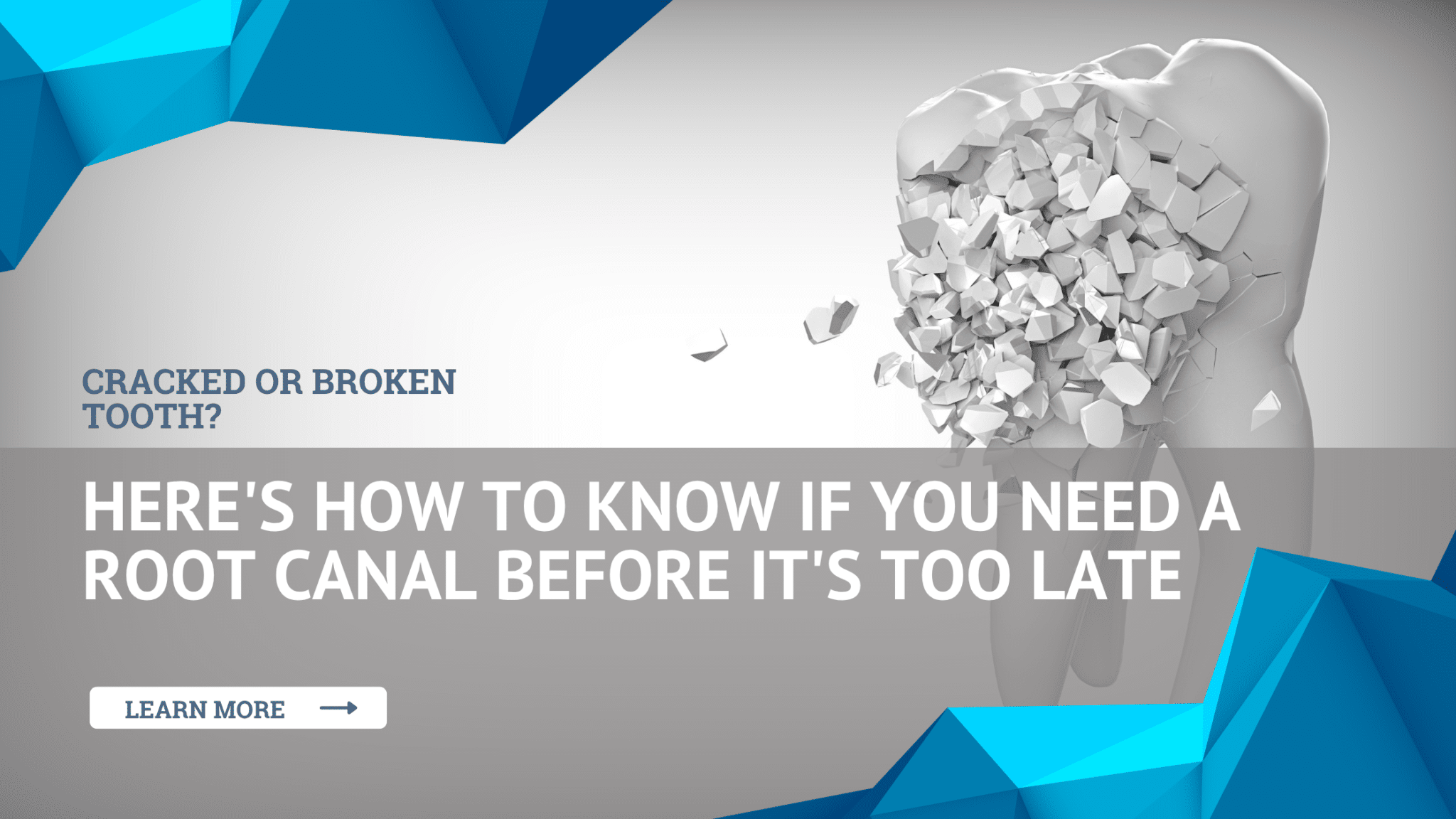
A chipped or broken tooth can happen when you least expect it. Maybe you bit into something hard, took an elbow during a game, or simply noticed a crack while brushing your teeth.
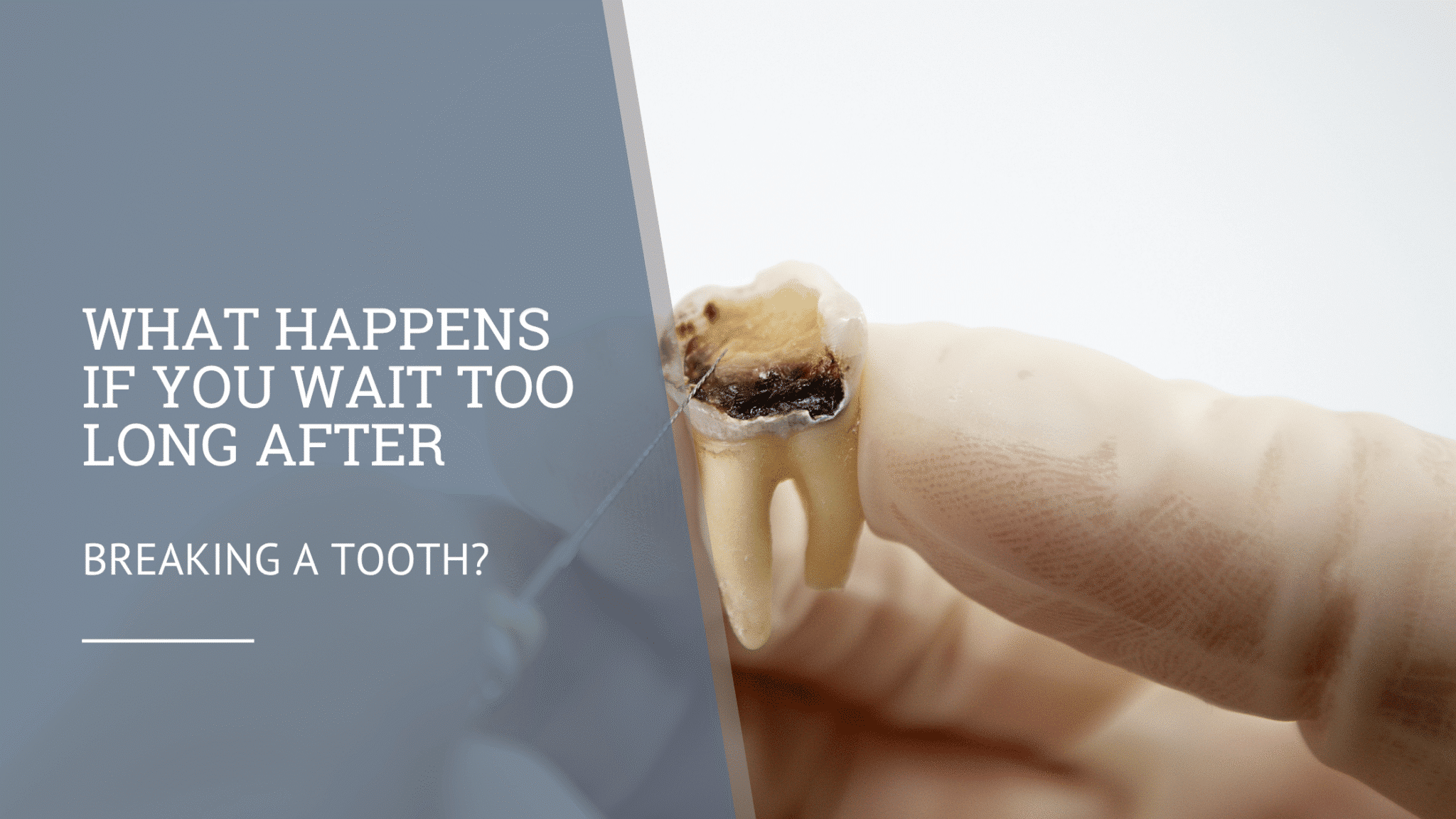
If the tooth does not hurt, it can be tempting to put off treatment. However, waiting too long after breaking a tooth can allow the problem to worsen beneath the surface. In some cases, what starts as a small crack can eventually lead to infection, significant pain, or the need for a broken tooth root canal.
The good news is that prompt treatment often helps save your natural tooth and prevent more serious complications.
Is a Broken Tooth Always Urgent?
Not every broken tooth requires urgent care, but every crack or fracture should be evaluated by a dental professional as soon as possible.
Some broken teeth cause immediate symptoms, such as:
- Sharp pain when biting down
- Sensitivity to hot or cold foods
- Bleeding around the tooth
- Swelling in the gums
- Difficulty chewing
Other teeth may show few symptoms at first. That does not necessarily mean the damage is minor.
Even small fractures can create openings that allow bacteria to reach the inner part of the tooth.
What Happens if You Delay Treatment?
A broken tooth cannot heal on its own. Over time, untreated damage can become more serious.
Delaying treatment may lead to:
- Deeper cracks in the tooth
- Infection inside the pulp
- Increased pain and sensitivity
- Gum swelling
- Tooth discoloration
- More extensive treatment
The longer a tooth remains untreated, the greater the chance that bacteria will reach the nerve and cause an infection.
Can a Broken Tooth Lead to a Root Canal?
Yes. In many cases, a damaged tooth eventually requires root canal treatment.
A broken tooth root canal becomes necessary when the crack allows bacteria to infect the pulp, which contains the tooth’s nerves and blood vessels.
Signs that the inner tooth may be affected include:
- Persistent tooth pain
- Pain that wakes you up at night
- Lingering sensitivity to temperature
- Swelling around the tooth
- A bad taste in your mouth
- Darkening or discoloration
Root canal treatment removes the infection while preserving the natural tooth whenever possible.
When Is Cracked Tooth Treatment Needed?
The best cracked tooth treatment depends on the location and severity of the fracture.
Treatment options may include:
- Dental bonding
- A crown
- Root canal therapy
- An apicoectomy
- Tooth extraction in severe cases
The sooner the damage is diagnosed, the more treatment options are typically available.
How Can You Tell if a Crack Is Serious?
Unfortunately, it is not always easy to tell.
Some cracks are visible, while others extend below the gumline or inside the tooth. Many patients are surprised to learn that a tooth with very little pain can still have significant internal damage.
You should schedule an evaluation if you notice:
- Pain when chewing
- Sudden sensitivity
- A chipped or fractured tooth
- Swelling
- Changes in tooth color
- Discomfort that comes and goes
When Should You See an Endodontist?
Your dentist may refer you to an urgent endodontist if they suspect the crack extends into the pulp or if the tooth shows signs of infection.
Endodontists receive additional training focused on diagnosing tooth pain and treating the inside of the tooth. They use advanced imaging and specialized technology to determine the extent of the damage and recommend the best course of action.
Seeking care promptly can often mean the difference between saving and losing a tooth.
How to Protect a Broken Tooth Until Your Appointment
If you break a tooth, there are a few things you can do before you are seen:
- Avoid chewing on the affected side.
- Stick to softer foods.
- Rinse gently with warm salt water.
- Avoid extremely hot or cold drinks.
- Take over-the-counter pain medication as directed.
- Contact your dentist as soon as possible.
These steps can help minimize discomfort, but they are not a substitute for treatment.
Frequently Asked Questions
Can I wait a few weeks to fix a broken tooth?
It is best to have a broken tooth evaluated as soon as possible. Delaying treatment can increase the risk of infection and additional damage.
Will every cracked tooth need a root canal?
No. Some cracks can be repaired with a filling or crown. However, deeper fractures may require root canal treatment.
What if my broken tooth does not hurt?
A lack of pain does not mean the tooth is healthy. Some serious cracks cause little or no discomfort initially.
Can an endodontist save a broken tooth?
In many cases, yes. Early diagnosis and treatment provide the best chance of preserving your natural tooth.
Don’t Wait to Get Answers
A broken tooth may seem minor today, but waiting too long can turn a simple problem into a more complicated one.
At Eastern Idaho Endodontics, our team specializes in diagnosing tooth pain, treating damaged teeth, and helping patients preserve their natural smiles. If you have a cracked or broken tooth, scheduling an evaluation sooner rather than later may help prevent infection and reduce the need for more extensive treatment.