Most people associate root canals with severe toothaches. So, if your dentist says you may need one even though your tooth feels fine, it’s natural to have questions.
Can you need a root canal without tooth pain?
Yes. A tooth can sometimes need root canal treatment even when it doesn’t hurt. The nerve tissue inside the tooth may be severely damaged or no longer vital without causing noticeable pain. In other cases, an infection may develop around the root with few obvious symptoms.
That’s why pain is only one part of diagnosing a tooth.
Why Would I Need a Root Canal If My Tooth Doesn’t Hurt?
Root canal treatment is based on the condition of the dental pulp and surrounding tissues—not simply on how much pain you’re experiencing.
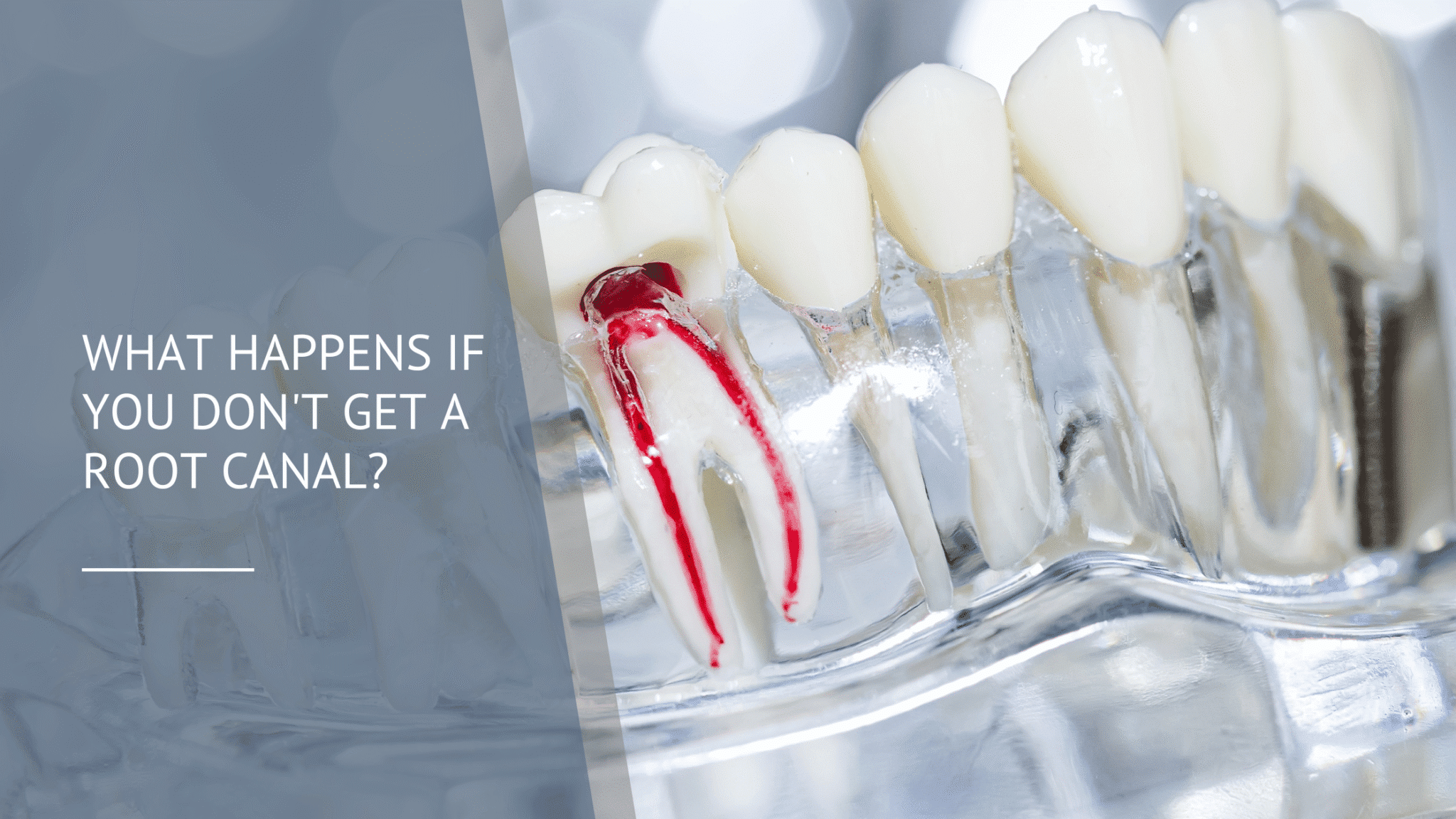
The pulp is the soft tissue located inside your tooth. It contains nerves, blood vessels, and connective tissue.
Deep decay, cracks, trauma, repeated dental procedures, or other damage can affect this tissue. If the pulp becomes infected or irreversibly damaged, root canal treatment may be necessary to save the tooth.
Sometimes that process causes significant pain.
Sometimes it doesn’t.
Therefore, a pain-free tooth isn’t automatically a healthy tooth.
How Can You Need a Root Canal Without Tooth Pain?
There are several reasons a tooth that doesn’t hurt may still require treatment.
The Nerve Inside the Tooth May No Longer Be Vital
One possible explanation is pulp necrosis. This means the dental pulp has lost its vitality.
When nerve tissue is severely damaged, it may eventually stop sending the same pain signals.
As a result, a tooth that previously hurt may suddenly feel better.
However, that doesn’t necessarily mean the underlying problem has healed. Bacteria may still be present within the root canal system or surrounding tissues.
An Infection May Not Cause Immediate Symptoms
Dental infections don’t always announce themselves with severe pain.
An infection around the root may develop with few noticeable symptoms. In fact, some patients discover a problem only after their dentist sees something unusual on a dental X-ray.
This is one reason regular dental examinations are so important.
Previous Trauma Can Damage the Pulp
Have you ever been hit in the mouth, fallen, or injured a tooth?
Dental trauma can damage the pulp even when the tooth doesn’t break.
Sometimes the effects aren’t immediately obvious. Changes can develop later, and the tooth may eventually lose vitality.
Your dentist or endodontist may notice changes in the tooth’s appearance, response to testing, or surrounding tissues before you experience pain.
Deep Decay Can Reach the Pulp
A deep cavity can also affect the tissue inside your tooth.
You might expect severe pain when decay reaches this point. However, symptoms vary from patient to patient.
That’s why dentists don’t rely on pain alone when deciding whether a tooth needs treatment.
What Are the Signs of a Tooth Problem Without Pain?
Even if you don’t have a toothache, there may be other clues that something isn’t right.
Possible warning signs include:
- Tooth discoloration
- A bump or pimple on the gums
- Gum swelling
- Drainage near the tooth
- A bad or unusual taste
- Tenderness when biting
- A cracked or chipped tooth
- Changes visible on a dental X-ray
Sometimes there are no obvious symptoms at all.
In those situations, diagnostic testing becomes especially important.
My Tooth Used to Hurt, but Now It Doesn’t. Is That Good?
Not necessarily.
This is one of the most important situations for patients to understand.
Suppose you had a significant toothache for several days. Then, suddenly, the pain disappeared.
It can be tempting to assume the tooth healed itself.
However, decreasing pain can sometimes occur when severely damaged nerve tissue loses vitality.
In other words, the pain may be gone while the dental problem remains.
If you’ve had significant tooth pain that suddenly disappeared, tell your dentist. An evaluation can determine whether the tooth actually improved or whether the pulp has been damaged.
How Does an Endodontist Know You Need a Root Canal Without Pain?
Diagnosing the condition of a tooth involves much more than asking, “Does it hurt?”
An endodontist may use several pieces of information to understand what’s happening.
These may include:
- Your dental history
- Previous symptoms
- Dental X-rays
- Temperature testing
- Pulp vitality testing
- Tapping or percussion tests
- Biting tests
- Examination of the gums and surrounding tissues
- Evaluation for cracks or fractures
The results are considered together.
This is especially important because no single symptom or test tells the entire story.
Can an X-Ray Show That I Need a Root Canal?
Dental imaging can provide valuable information about the tooth and surrounding bone.
For example, an X-ray may reveal changes around the root that suggest inflammation or infection. It can also help identify deep decay, previous dental treatment, or other concerns.
However, an X-ray is only one part of the diagnosis.
Your endodontist will combine imaging with your history, clinical examination, symptoms, and diagnostic testing before recommending treatment.
Can a Tooth Infection Exist Without Pain?
Yes.
A tooth infection may exist without causing noticeable pain.
When the pulp inside a tooth becomes infected or dies, bacteria can travel through the root canal system. Eventually, inflammation or infection may develop around the root.
Some patients experience severe symptoms.
Others may have little discomfort.
You might instead notice a small bump on your gums, occasional swelling, drainage, or a strange taste.
In some cases, you may notice nothing at all.
What Happens If an Infected Tooth Doesn’t Hurt and I Leave It Alone?
A lack of pain doesn’t guarantee that an infection will remain harmless.
If the source of infection is inside the tooth, the problem may continue even without symptoms.
Over time, you could develop:
- New tooth pain
- Pain when chewing
- Gum or facial swelling
- A dental abscess
- Drainage
- Damage to tissues around the root
- A more complicated dental problem
In some cases, delaying treatment can also affect whether the natural tooth can be predictably saved.
Therefore, don’t use pain as the only reason to decide whether treatment is necessary.
Will Antibiotics Treat a Painless Tooth Infection?
Antibiotics can play a role in certain dental infections. However, they don’t replace treatment of the source inside an infected root canal system.
If your dentist or endodontist determines that the pulp is infected or no longer vital, treatment may still be necessary even if antibiotics temporarily improve other symptoms.
Your provider will determine whether antibiotics are appropriate based on your specific condition.
Do I Need a Root Canal Just Because My Tooth Is Discolored?
Not necessarily.
A tooth can change color for several reasons. Therefore, discoloration alone doesn’t prove that you need a root canal.
However, a tooth that becomes noticeably darker after trauma can sometimes indicate changes within the pulp.
An endodontist can test the tooth and determine whether the pulp is healthy, damaged, or no longer vital.
Again, diagnosis matters more than any single symptom.
What Happens During Root Canal Treatment?
If testing confirms that you need treatment, a root canal is designed to address the problem inside the tooth while preserving the natural tooth whenever possible.
During treatment, the endodontist removes the damaged or infected pulp tissue.
Next, the root canal system is carefully cleaned, shaped, disinfected, and sealed.
Afterward, your general dentist will typically restore the tooth as needed to protect it and return it to normal function.
The purpose of a root canal isn’t to remove your tooth.
It’s to help save it.
Should I Get a Second Opinion If My Tooth Doesn’t Hurt?
If you don’t understand why root canal treatment has been recommended, asking questions is completely reasonable.
You should understand your diagnosis and why treatment is being suggested.
An endodontist specializes in diagnosing problems involving the dental pulp and root canal system. If the diagnosis isn’t clear or the tooth has unusual findings, an endodontic evaluation can provide additional information.
The goal should always be an accurate diagnosis before treatment begins.
Frequently Asked Questions About Root Canals Without Tooth Pain
Can you need a root canal without any pain?
Yes. A tooth can have severely damaged or non-vital pulp without causing noticeable pain. Infection around the root may also be present without significant symptoms.
Why would my dentist recommend a root canal if nothing hurts?
Your dentist may have identified deep decay, changes on an X-ray, previous trauma, abnormal pulp testing, or another sign that the tissue inside the tooth is damaged.
Does a dead tooth always hurt?
No. When the pulp loses vitality, the tooth may not cause a traditional toothache. However, problems can still develop in the tissues surrounding the root.
Can a painless tooth infection become painful later?
Yes. Symptoms can change as inflammation or infection progresses. A tooth that causes little discomfort today could develop pain or swelling later.
Can an endodontist tell if the nerve in my tooth is dead?
An endodontist can perform diagnostic tests and evaluate imaging, symptoms, dental history, and the tooth’s response to testing to determine the condition of the pulp.
Should I wait until the tooth hurts before getting a root canal?
If you’ve been diagnosed with a condition that requires root canal treatment, waiting for pain isn’t a good way to determine when to proceed. Discuss the timing of treatment with your dentist or endodontist.
No Toothache Doesn’t Always Mean No Problem
So, can you still need a root canal if your tooth doesn’t hurt?
Yes.
Pain is an important symptom, but it isn’t the only way to identify a damaged or infected tooth. A tooth may have non-vital pulp, infection, deep decay, or damage from previous trauma without causing a significant toothache.
That’s why an accurate diagnosis matters.
Eastern Idaho Endodontics specializes in diagnosing conditions involving the inside of the tooth and determining when endodontic treatment is necessary.
Our goal isn’t simply to treat tooth pain. It’s to identify the source of the problem and help save your natural tooth whenever possible.
If your dentist has recommended a root canal even though your tooth doesn’t hurt, an endodontic evaluation can help you understand why.
Schedule an appointment with Eastern Idaho Endodontics to have your tooth evaluated and get clear answers about your treatment options.