Summer is the season for road trips, family vacations, camping adventures, and making memories. The last thing anyone wants is a sudden toothache interrupting their travel plans. Unfortunately, summer dental tooth pain can happen at any time, and it often seems to appear when it’s least convenient.
If you experience tooth pain while traveling, it’s important not to ignore it. What may seem like a minor discomfort can quickly develop into a more serious dental emergency if left untreated. Understanding the warning signs and knowing what to do can help protect your oral health and potentially save your tooth.
Why Tooth Pain Can Become a Dental Emergency
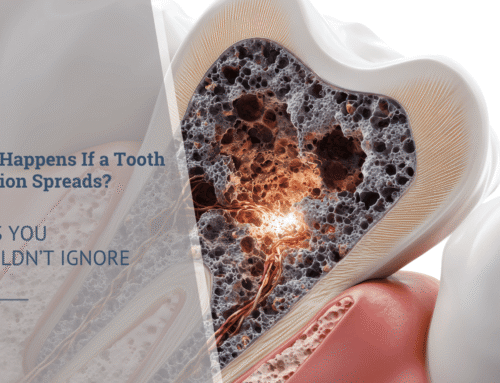
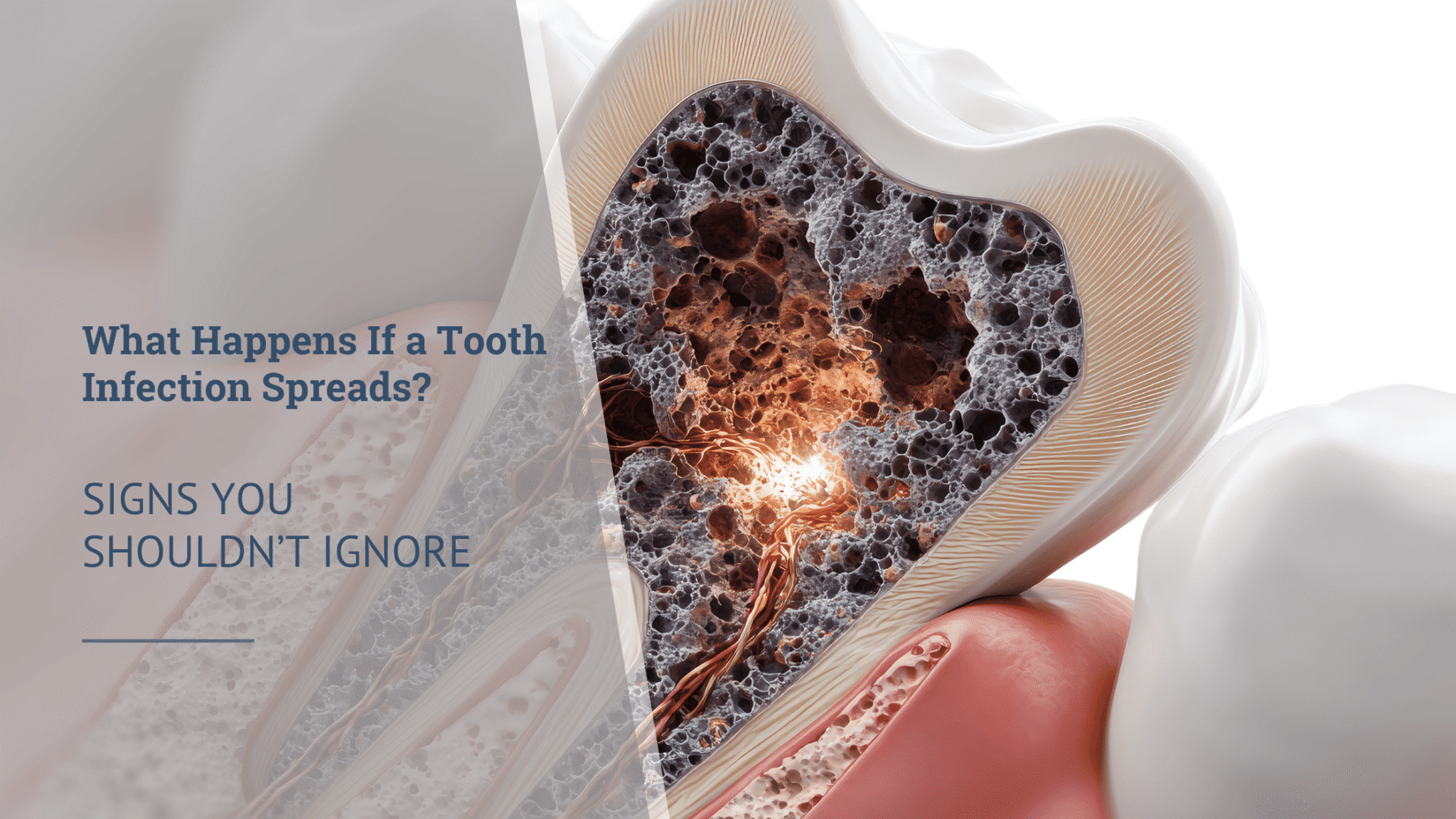
A toothache is your body’s way of signaling that something isn’t right. In many cases, severe tooth pain occurs when the soft tissue inside the tooth, known as the pulp, becomes inflamed or infected.
An infected tooth may develop due to:
- Deep tooth decay
- A cracked or fractured tooth
- Previous dental trauma
- Untreated cavities
- Failing dental restorations
When infection reaches the inside of the tooth, symptoms can become progressively worse without professional treatment.
Signs of an Infected Tooth While Traveling
Not all tooth pain requires emergency care, but certain symptoms should never be ignored.
Common signs of a dental infection include:
- Persistent tooth pain that does not go away
- Pain when chewing or biting
- Sensitivity to hot or cold temperatures
- Swelling around the tooth or gums
- Facial swelling
- A bad taste in your mouth
- Tooth discoloration
- Tenderness around the affected area
If you experience any of these symptoms during your vacation, contact a dental professional as soon as possible to avoid those summer dental woes.
What to Do If Tooth Pain Strikes on Vacation
If you develop a toothache while traveling, there are several steps you can take to manage discomfort until you can be evaluated by a dentist.
Avoid Chewing on the Affected Side
Using the painful tooth can worsen irritation and increase discomfort. Try to chew on the opposite side of your mouth whenever possible.
Rinse With Warm Salt Water
A gentle saltwater rinse can help reduce bacteria and soothe irritated tissues. Mix a small amount of salt into warm water and rinse carefully several times throughout the day.
Use Over-the-Counter Pain Relief
Non-prescription pain medications may help manage discomfort temporarily. Always follow the manufacturer’s directions and consult your healthcare provider if you have questions about medication use.
Stay Hydrated
Drinking water helps keep your mouth clean and may reduce irritation caused by food particles around the affected tooth.
Contact a Dental Professional
Even if the pain improves, it is important to schedule an evaluation. Dental infections rarely resolve on their own and often require professional treatment.
Why Early Treatment Matters
One of the biggest mistakes patients make is waiting until they return home weeks later before seeking care. Unfortunately, dental infections can continue to spread during that time.
Early diagnosis and treatment may help:
- Relieve pain faster
- Prevent worsening infection
- Reduce the risk of swelling
- Preserve the natural tooth
- Avoid more extensive treatment later
The sooner an underlying problem is identified, the more treatment options may be available.
When You May Need Root Canal Treatment
Many patients worry when they hear the words “root canal.” However, modern root canal treatment is designed to eliminate infection, relieve pain, and save natural teeth.
If the pulp inside a tooth becomes infected, root canal therapy may be recommended to remove the damaged tissue and protect the tooth from further complications.
Common signs that a root canal may be needed include:
- Severe or lingering tooth pain
- Sensitivity that lasts after hot or cold exposure
- Swelling near a tooth
- A recurring pimple-like bump on the gums
- Pain when chewing
An endodontist specializes in diagnosing and treating these types of tooth problems.
Returning Home With Lingering Tooth Pain?
If your vacation ends but your symptoms continue, don’t delay seeking care. Persistent tooth pain is often a sign that the underlying issue has not resolved.
At Eastern Idaho Endodontics, our team provides advanced diagnostic and treatment options to help patients throughout Eastern Idaho save their natural teeth whenever possible. Whether you’ve experienced a sudden dental emergency while traveling or have ongoing symptoms that need evaluation, we’re here to help determine the cause and discuss appropriate treatment options for your summer dental emergency.
Protect Your Summer Plans and Your Smile
A dental emergency can quickly turn a relaxing vacation into an uncomfortable experience. Knowing the signs of an infected tooth and seeking prompt care can make a significant difference in your comfort and long-term oral health.
If tooth pain follows you home after your summer travels, don’t ignore it. Early evaluation can help identify the problem, relieve discomfort, and potentially save your natural tooth before the condition becomes more serious.