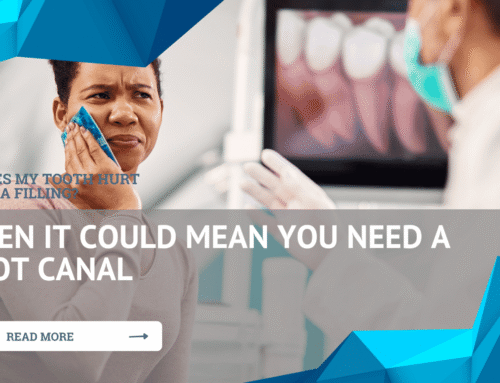
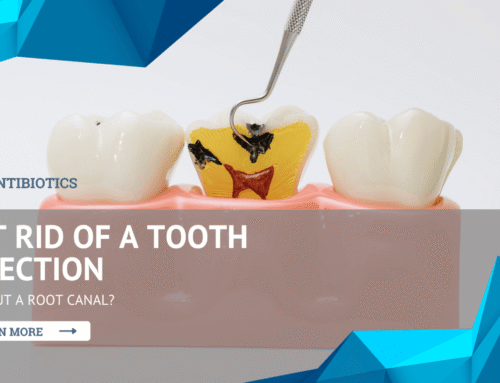
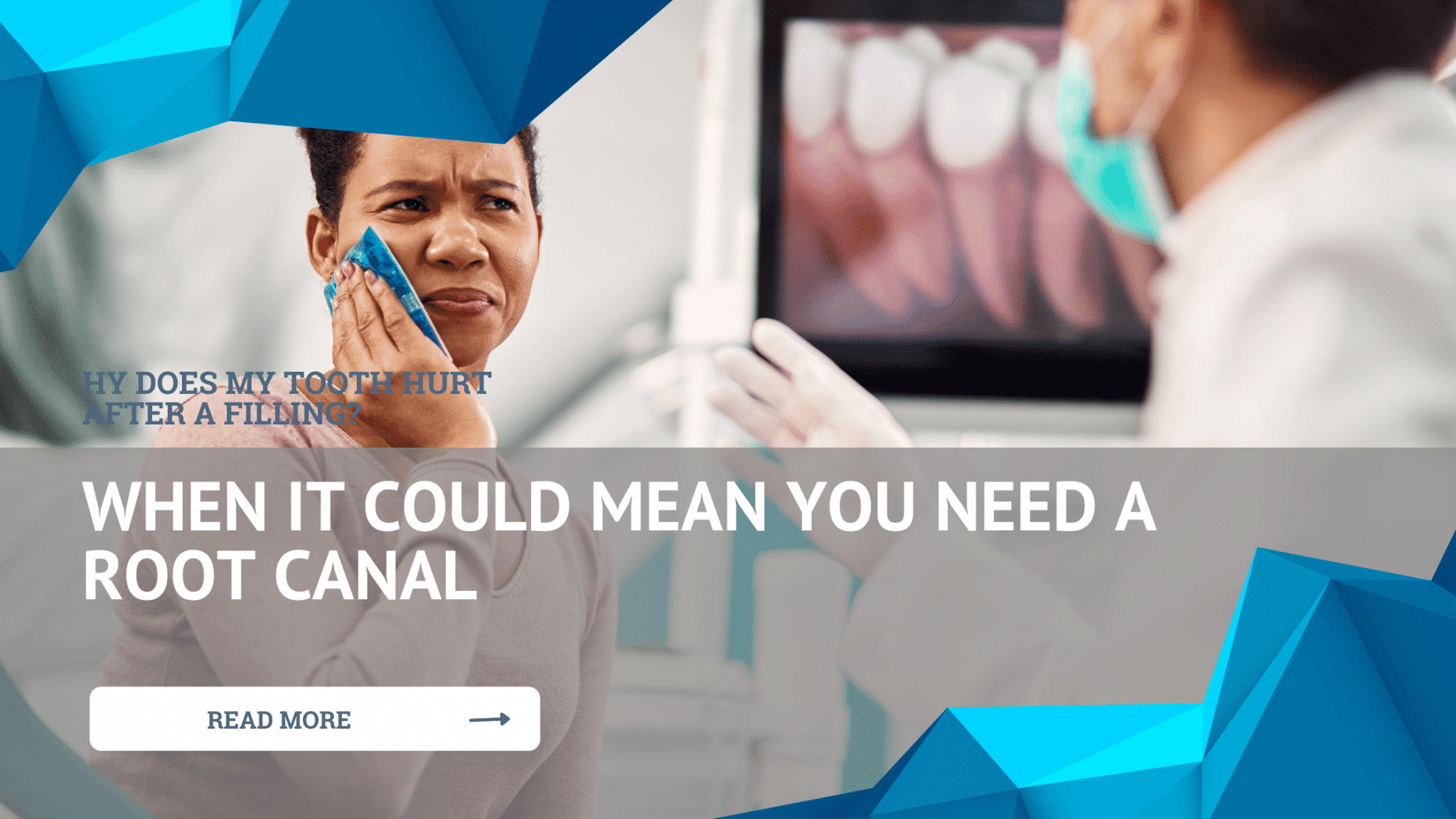
A toothache can be confusing. Sometimes it is a quick sensitivity that disappears on its own. Other times, tooth pain is your body’s way of telling you that something deeper is happening inside the tooth.
So, how do you know if your tooth pain is serious enough to see an endodontist?
Persistent or severe tooth pain, lingering sensitivity to hot or cold, pain when biting, swelling, or pain after an injury are all reasons to have a tooth evaluated. These symptoms do not always mean you need a root canal. However, they can point to inflammation, infection, or damage inside the tooth.
At Eastern Idaho Endodontics, we specialize in finding the source of tooth pain. Our goal is to determine what is causing your symptoms and, whenever possible, help you keep your natural tooth.
What Does an Endodontist Do for Tooth Pain?
An endodontist is a dentist who specializes in diagnosing tooth pain and treating problems involving the dental pulp and tissues around the roots of teeth.
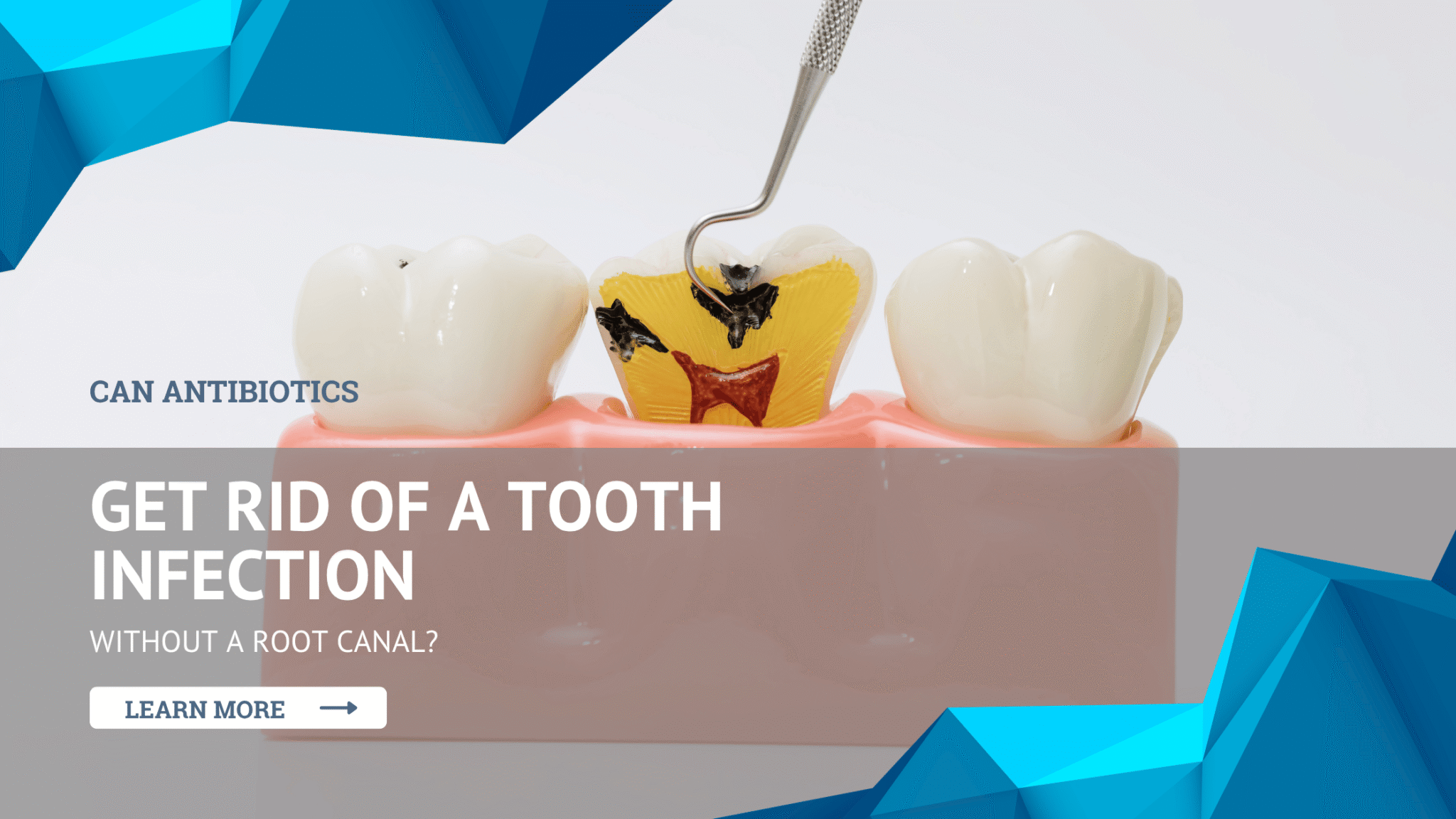
The dental pulp is the soft tissue inside your tooth. It contains nerves, blood vessels, and connective tissue. If the pulp becomes inflamed or infected, you may experience pain or sensitivity.
However, dental pain is not always straightforward. You may feel pain in one tooth even though the problem is coming from another area. Symptoms may also come and go.
That is where an endodontic evaluation can be helpful.
What Kind of Tooth Pain Should I Be Concerned About?
Not every brief sensation requires specialized treatment. For example, mild sensitivity after dental work may improve with time.
However, you should pay closer attention when tooth pain persists, becomes more intense, or is accompanied by other symptoms.
Common warning signs include:
- Severe or persistent tooth pain
- Pain that wakes you up at night
- Lingering sensitivity to hot or cold
- Pain when biting or chewing
- Swelling near a tooth or along the gums
- A pimple-like bump on the gum
- A tooth that has become darker or discolored
- Pain following an injury to a tooth
- Symptoms that improve and then return
If you are experiencing these symptoms, contact your dentist or an endodontist for an evaluation.
Why Does My Tooth Hurt When I Bite Down?
Pain when biting is a common reason patients seek dental care.
There are several possible causes. A tooth may be cracked, inflamed, infected, or irritated around the root. A filling, crown, or other restoration may also affect the way your bite feels.
A cracked tooth can be especially difficult to diagnose because symptoms may come and go. You might feel a sharp pain when biting in a certain direction, yet feel completely normal at other times.
If your tooth hurts when you bite down, especially if the problem keeps returning, don’t rely on pain alone to determine whether the tooth is healthy.
An evaluation can help identify the cause.
Is Lingering Hot or Cold Sensitivity a Sign You Need a Root Canal?
Sometimes.
A quick response to something cold does not automatically mean a tooth needs root canal treatment. However, sensitivity that lingers after the hot or cold item has been removed can be more concerning.
For example, you might take a drink of cold water and continue feeling discomfort afterward.
This can sometimes indicate inflammation inside the tooth. Your dentist or endodontist may perform additional tests to determine how the pulp is responding.
The important thing to remember is simple: sensitivity alone cannot tell you whether you need a root canal.
A proper diagnosis comes first.
Can You Need a Root Canal Without Severe Tooth Pain?
Yes. A tooth can sometimes need root canal treatment even when it does not hurt.
This surprises many patients.
If the nerve tissue inside a tooth becomes severely damaged or dies, pain may decrease or disappear. However, the underlying problem may still be present.
Other signs may include:
- Swelling around the tooth
- Gum tenderness
- Tooth discoloration
- A small bump on the gums
- Changes visible on a dental X-ray
- A history of trauma to the tooth
This is one reason you should not assume that a tooth is healthy simply because it doesn’t hurt.
Does Severe Tooth Pain Always Mean You Need a Root Canal?
No.
Severe tooth pain does not automatically mean you need a root canal. Several dental conditions can cause similar symptoms.
Before recommending treatment, we want to understand what is actually causing the problem.
An endodontic evaluation may include reviewing your symptoms and dental history, examining the tooth, taking dental images, and performing diagnostic tests. We may also compare the problem tooth with nearby teeth.
If root canal treatment is not necessary, that is important to know too.
When Should I See an Endodontist Instead of a General Dentist?
Your general dentist is an excellent place to start for many dental concerns. However, you may be referred to an endodontist when the source of your tooth pain is difficult to identify or when specialized treatment is needed.
You may benefit from seeing an endodontist if:
- Your dentist has recommended a root canal
- You have severe or unexplained tooth pain
- Your tooth hurts when biting
- Hot or cold sensitivity continues to linger
- You have a cracked or injured tooth
- A previously treated tooth begins hurting again
- You have swelling or signs of infection
- Your dentist recommends an endodontic evaluation
Endodontists focus specifically on problems involving the inside of the tooth and the surrounding root structures.
What If My Toothache Comes and Goes?
It can be tempting to ignore tooth pain once it disappears.
However, tooth pain that comes and goes can still be worth investigating, especially if it continues happening.
Pain may change as inflammation develops. A cracked tooth may only hurt under certain conditions. In other cases, symptoms can temporarily decrease even though the underlying dental problem remains.
Keep track of what triggers the pain. Does it happen when you chew? Does cold water cause it? Does the tooth ache at night?
Those details can help your dentist or endodontist diagnose the problem.
Is Tooth Swelling an Emergency?
Swelling around a tooth or gum should not be ignored.
Contact a dental professional promptly if you develop swelling, particularly when it occurs with significant pain or other symptoms.
Seek urgent medical attention if you develop significant or rapidly worsening facial swelling, difficulty breathing or swallowing, or other severe symptoms.
Dental infections can sometimes extend beyond the tooth, so timely evaluation matters.
Can an Endodontist Save a Painful Tooth?
In many cases, that is exactly what endodontic treatment is designed to do.
If the pulp inside a tooth is inflamed or infected but the tooth can still be predictably restored, root canal treatment may allow you to keep your natural tooth rather than having it removed.
During root canal treatment, the inflamed or infected tissue is removed from inside the tooth. The canals are then carefully cleaned, disinfected, filled, and sealed.
Of course, not every tooth can be saved. Cracks, fractures, decay, and other structural problems can affect treatment options.
That is why diagnosis is so important.
What Should I Do If I Have Tooth Pain Right Now?
Start by paying attention to your symptoms.
Ask yourself:
How long has the tooth hurt? What triggers the pain? Does the pain linger? Does it hurt when you bite? Is there swelling? Has the tooth been injured?
Then contact your dentist or an endodontist if the pain is persistent, severe, worsening, or concerning.
You do not need to diagnose yourself or decide whether you need a root canal before making an appointment. That is what the evaluation is for.
Tooth Pain? Let’s Find Out What’s Really Going On
If your tooth keeps hurting, don’t wait for it to become unbearable before asking for help.
At Eastern Idaho Endodontics, our root canal specialists diagnose and treat tooth pain with one primary goal in mind: address the source of the problem and save your natural tooth whenever possible.
With locations in Idaho Falls, Rexburg, Pocatello, Burley, and Hailey, Idaho, as well as Jackson and Pinedale, Wyoming, specialized endodontic care is available throughout Eastern Idaho and Western Wyoming.
If you have been referred for a root canal or you’re dealing with tooth pain that won’t go away, contact Eastern Idaho Endodontics to schedule an evaluation.
FAQ Section
How do I know if my tooth pain is serious?
Persistent or severe pain, lingering temperature sensitivity, pain when biting, swelling, or symptoms after an injury are good reasons to have the tooth evaluated.
Can I go directly to an endodontist for tooth pain?
Referral requirements can vary, but an endodontist specializes in diagnosing tooth pain and problems involving the inside of the tooth. Contact the practice if you’re unsure whether an endodontic evaluation is appropriate.
Does tooth pain mean I need a root canal?
No. Tooth pain has many possible causes. An examination and diagnostic testing are needed to determine whether root canal treatment is appropriate.
Can a tooth infection stop hurting on its own?
Pain can sometimes decrease even though the underlying dental problem remains. A tooth that stops hurting is not necessarily healed.
What are the most common signs that I may need a root canal?
Possible signs include persistent tooth pain, lingering sensitivity, pain when chewing, swelling, discoloration, or problems identified during a dental examination. However, only an evaluation can determine whether root canal treatment is needed.
Should I see a dentist or an endodontist for severe tooth pain?
Either can be an appropriate starting point. An endodontist may be particularly helpful for difficult-to-diagnose tooth pain, suspected problems inside the tooth, cracked teeth, dental trauma, or cases where root canal treatment has been recommended.