A weekend toothache can quickly turn a relaxing day into an uncomfortable experience. Maybe your tooth starts throbbing on Saturday night. Or perhaps you notice sharp pain while enjoying Thanksgiving dinner with your family.
Unfortunately, tooth pain doesn’t always happen during regular dental office hours.
If you’re dealing with holiday tooth pain, you may wonder what you can do until your dentist is available. The good news is that several simple steps may help manage discomfort temporarily.
At Eastern Idaho Endodontics, we help patients throughout Eastern Idaho and Western Wyoming understand the causes of tooth pain and explore treatment options that preserve their natural teeth whenever possible.
Here’s what you should know about managing a toothache, recognizing warning signs, and deciding when professional care is necessary.
What Should You Do If You Have a Weekend Toothache?
If you develop a weekend toothache, start by evaluating your symptoms.
Mild discomfort may be manageable for a short time with appropriate home care. However, severe pain, swelling, or signs of infection may require prompt professional attention.
Until you can receive dental care, consider these steps:
-
Rinse your mouth gently with warm salt water.
-
Apply a cold compress to the outside of your cheek.
-
Use appropriate over-the-counter pain medication if it’s safe for you.
-
Avoid chewing on the painful side.
-
Choose soft foods that don’t aggravate your tooth.
-
Contact a dental professional if symptoms continue or worsen.
These measures may provide temporary relief. However, they cannot treat an infected tooth or repair underlying damage.
If your symptoms are severe, don’t assume you need to wait until Monday. Seek urgent dental care when appropriate.
6 Ways to Manage Tooth Pain Until You Can See a Dentist
While home remedies cannot replace professional treatment, they may help you stay more comfortable until your appointment.
1. Rinse With Warm Salt Water
A warm saltwater rinse can help remove food particles and soothe irritated tissues.
Mix approximately half a teaspoon of salt into a glass of warm water. Gently swish the solution around your mouth, then spit it out.
Avoid using water that’s too hot, especially if your tooth is sensitive.
Saltwater rinses may provide temporary comfort, but they won’t eliminate an infection inside your tooth.
2. Apply a Cold Compress
If your toothache is accompanied by tenderness or mild swelling, a cold compress may help reduce discomfort.
Wrap an ice pack or cold compress in a towel. Hold it against the outside of your cheek for 10 to 15 minutes at a time.
Take breaks between applications.
Never place ice directly against your skin or tooth.
If swelling is significant or spreading, seek prompt professional evaluation rather than relying on cold compresses alone.
3. Consider Over-the-Counter Pain Relief
Over-the-counter pain relievers, such as ibuprofen or acetaminophen, may temporarily reduce tooth pain.
However, these medications aren’t appropriate for everyone.
For example, certain medical conditions, allergies, pregnancy considerations, or prescription medications may affect which pain relievers are safe.
Always follow the product instructions and ask a pharmacist or healthcare provider if you’re unsure.
Never exceed the recommended dose or place aspirin directly against your gums. Aspirin can irritate or burn the surrounding tissues.
Pain medication may make you more comfortable, but it doesn’t resolve the cause of a toothache.
4. Avoid Foods That Trigger Pain
Certain foods can make an already sensitive tooth feel worse.
Until your tooth is evaluated, try to avoid:
-
Very hot or cold foods.
-
Hard candies and crunchy snacks.
-
Sticky or chewy foods.
-
Sugary foods that trigger sensitivity.
-
Tough foods that require heavy chewing.
Instead, choose softer foods such as scrambled eggs, mashed potatoes, yogurt, or soup that’s cooled to a comfortable temperature.
Chew on the opposite side of your mouth when possible.
5. Keep Your Head Elevated
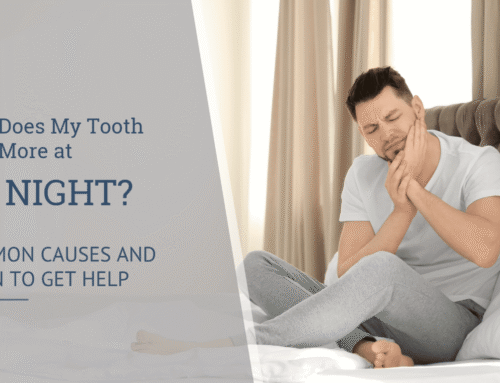
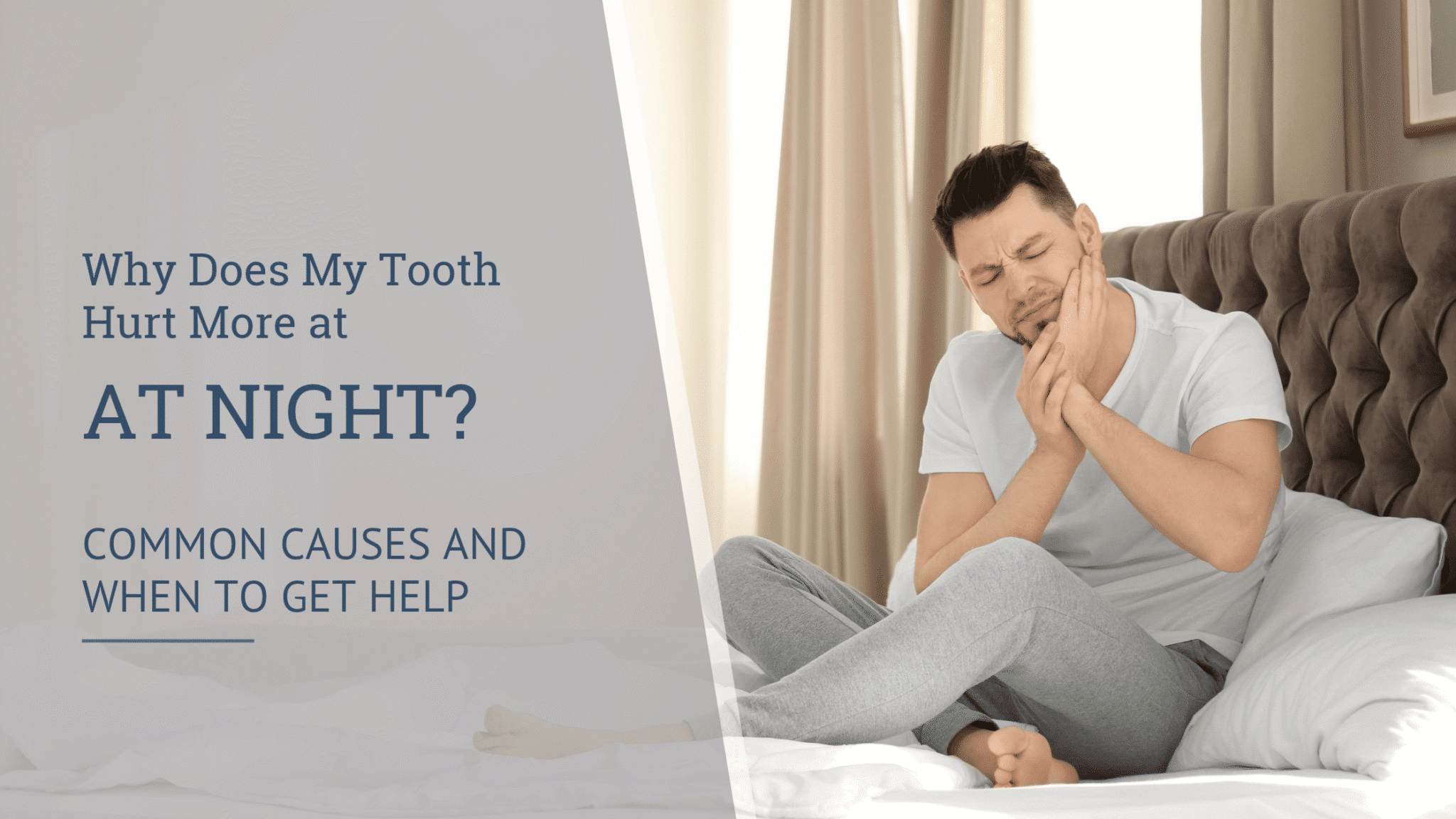
Does your tooth seem to hurt more when you lie down?
Some patients notice increased throbbing or pressure at bedtime.
Keeping your head slightly elevated with an extra pillow may help reduce this sensation.
However, recurring nighttime pain can also indicate inflammation or infection inside a tooth.
Learn more about why tooth pain gets worse at night and when an endodontic evaluation may be necessary.
6. Keep Your Mouth Clean
Continue brushing and flossing gently, even if your tooth feels sensitive.
Food trapped between teeth can sometimes contribute to discomfort.
If you suspect something is caught between your teeth, carefully use dental floss to remove it.
Avoid using sharp objects, toothpicks, or other tools that could injure your gums.
Good oral hygiene supports your overall dental health, but it won’t correct an underlying tooth infection.
When Is a Weekend Toothache a Dental Urgency?
Not every toothache requires immediate treatment. However, certain symptoms should never be ignored.
You should seek prompt dental care if you experience:
-
Severe or worsening tooth pain.
-
Persistent throbbing that prevents sleep.
-
Swelling around a tooth or along the gums.
-
A recurring pimple-like bump on the gums.
-
Pain accompanied by a bad taste or drainage.
-
A broken tooth with significant discomfort.
-
Fever or other symptoms suggesting infection.
These symptoms may indicate a dental infection, damaged tooth pulp, or another condition that needs professional evaluation.
If you cannot reach your regular dentist, look for an urgent dental provider in your area.
When Should You Go to the Emergency Room?
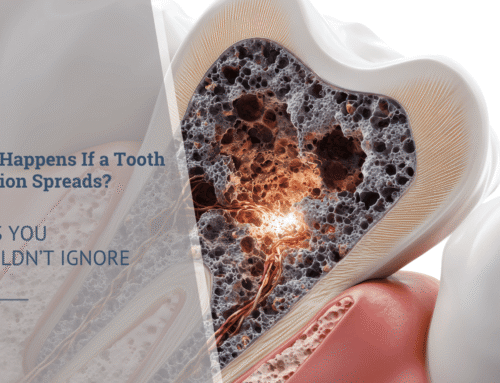
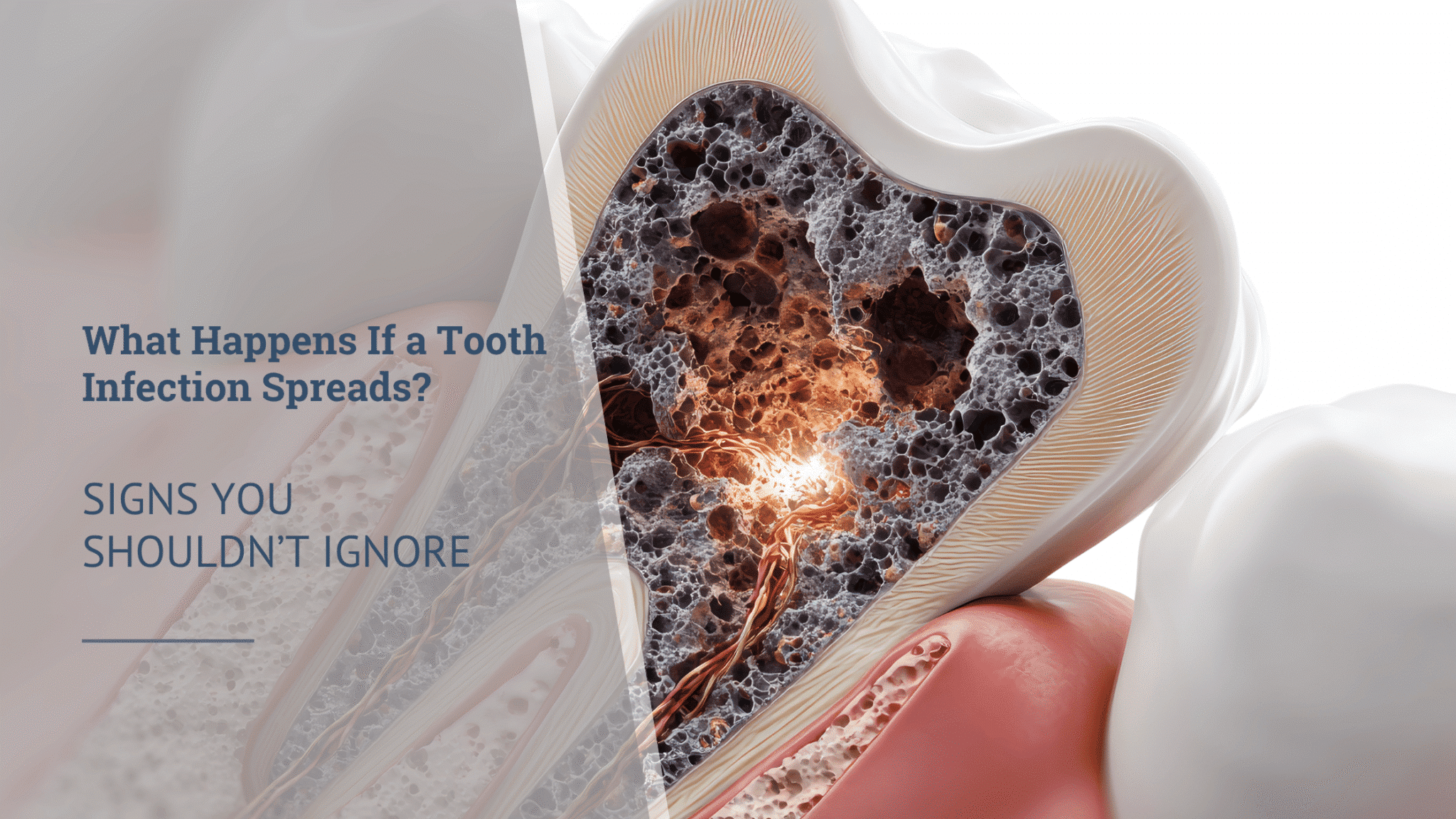
Some dental infections can spread beyond the affected tooth and become serious.
Seek emergency medical care if you experience:
-
Difficulty breathing or swallowing.
-
Rapidly spreading swelling in your face, jaw, or neck.
-
Swelling that affects your eye or vision.
-
Severe facial swelling accompanied by fever or significant illness.
These symptoms may indicate an infection that requires immediate medical attention.
Don’t wait for your dentist’s office to reopen if you experience these warning signs.
What Causes Sudden Tooth Pain Over a Holiday?
A toothache can develop for several reasons. In some cases, the problem has been developing for weeks or months before noticeable symptoms appear.
Here are several common causes.
Tooth Infection
An infected tooth is one possible cause of persistent or throbbing pain.
Bacteria can reach the inner portion of a tooth through deep decay, cracks, or previous dental damage.
Once the pulp becomes infected, discomfort may develop.
Symptoms can include sensitivity, pain when biting, swelling, or spontaneous toothaches.
However, some infected teeth produce very little discomfort.
If the infection involves the tooth’s pulp, root canal treatment may help preserve the natural tooth.
Cracked Tooth
Biting into hard foods can sometimes reveal an existing crack or contribute to tooth damage.
For example, chewing ice, hard candy, or popcorn kernels may place significant pressure on a tooth.
A cracked tooth may cause sharp pain when biting or releasing pressure.
Depending on the location and severity of the crack, treatment may involve a crown, root canal, or another dental procedure.
Learn more about whether a cracked tooth can be saved with a root canal.
Deep Tooth Decay
Cavities don’t always cause pain in their early stages.
However, as decay progresses toward the pulp, sensitivity and discomfort may increase.
You might notice pain when eating sweets, drinking cold beverages, or chewing.
If the pulp becomes irreversibly inflamed or infected, root canal treatment may be necessary.
Damaged Filling or Crown
A loose filling or damaged crown can expose sensitive tooth structure.
This may cause discomfort when eating, drinking, or biting.
Avoid chewing on the affected tooth and contact your dentist for guidance.
If the damage involves the tooth’s pulp, an endodontic evaluation may be recommended.
Can Holiday Foods Make a Toothache Worse?
Thanksgiving, Christmas, and other holidays often involve foods that are harder, sweeter, or chewier than what you normally eat.
Although these foods don’t automatically cause dental problems, they may aggravate an already damaged or sensitive tooth.
For example:
-
Hard nuts may place pressure on cracked teeth.
-
Sticky candies can pull on loose restorations.
-
Crunchy foods may trigger pain when biting.
-
Cold desserts may aggravate sensitive teeth.
-
Sugary foods can cause discomfort when decay is present.
If you already have a toothache, choose softer foods and avoid chewing directly on the affected tooth.
You can still enjoy holiday meals while taking precautions to protect your teeth.
However, persistent pain should be evaluated rather than ignored.
Can a Toothache Go Away Without Treatment?
Sometimes, mild tooth sensitivity improves after the source of irritation is removed.
However, a toothache caused by irreversible pulp inflammation or infection generally requires professional treatment.
In some cases, severe pain may suddenly disappear because the nerve tissue inside the tooth has died.
Unfortunately, this doesn’t necessarily mean the tooth is healthy.
An infection may remain even when the discomfort decreases.
For this reason, recurring or unexplained tooth pain should be evaluated by a dental professional.
Does a Severe Toothache Mean You Need a Root Canal?
Not necessarily.
Severe tooth pain can result from several conditions, including decay, cracks, gum problems, or inflammation inside the tooth.
A root canal may be recommended when the pulp becomes irreversibly inflamed or infected.
During treatment, an endodontist removes the affected tissue, cleans and disinfects the root canal system, and seals the space.
The tooth is then restored to help protect its structure and function.
However, not every painful tooth requires root canal treatment.
An accurate diagnosis helps determine whether endodontic care is appropriate.
When Should You See an Endodontist for Tooth Pain?
Endodontists specialize in diagnosing complex tooth pain and treating problems involving the inside of teeth.
Your general dentist may recommend an endodontic evaluation if you experience:
-
Persistent tooth pain without an obvious cause.
-
Lingering sensitivity to hot or cold.
-
A suspected infection involving the tooth’s pulp.
-
Pain when biting or chewing.
-
A cracked tooth that may affect the nerve.
-
Recurring symptoms after previous root canal treatment.
At Eastern Idaho Endodontics, our team uses specialized diagnostic techniques and modern technology to evaluate dental symptoms.
Our goal is to identify the source of discomfort and recommend treatment that preserves your natural teeth whenever possible.
If you’re unsure when specialized care may be helpful, read our article about what an endodontist does that a general dentist doesn’t.
Frequently Asked Questions About Weekend and Holiday Toothaches
What should I do if I have a toothache on the weekend?
Try temporary comfort measures such as a warm saltwater rinse, a cold compress, and appropriate over-the-counter pain relief. Avoid chewing on the affected tooth. If pain is severe, swelling develops, or symptoms worsen, seek urgent dental care rather than waiting until Monday.
How can I get toothache relief at home?
Cold compresses, saltwater rinses, and appropriate pain medication may provide temporary relief. However, these methods don’t treat the underlying cause of an infected or damaged tooth.
Can I wait until Monday to see a dentist?
Mild discomfort without warning signs may sometimes be manageable until your dentist reopens. However, severe pain, swelling, fever, or worsening symptoms require prompt evaluation. Difficulty breathing or swallowing requires emergency medical care.
What if my tooth starts hurting on Thanksgiving or Christmas?
Avoid foods that trigger discomfort and use appropriate temporary pain relief measures. Contact an urgent dental provider if symptoms are severe or worsening. Don’t wait for regular office hours if you develop signs of a serious infection.
Will antibiotics stop a toothache?
Antibiotics aren’t necessary for every toothache and don’t replace dental treatment. They may be prescribed for certain infections, especially when there are signs of spreading infection or systemic illness. A dental professional must determine whether antibiotics are appropriate.
Can an endodontist help with severe tooth pain?
Yes. Endodontists specialize in diagnosing tooth pain and treating conditions affecting the dental pulp and roots. If the tooth can be saved through root canal treatment or another endodontic procedure, a specialist may be able to help preserve it.
Is throbbing tooth pain a sign of infection?
Throbbing pain can occur with inflammation or infection, but it isn’t enough to confirm a diagnosis. A dental examination is necessary to identify the cause.
Specialized Tooth Pain Care in Eastern Idaho and Western Wyoming
A weekend toothache or holiday dental problem can be stressful, especially when you’re unsure what is causing the discomfort.
At Eastern Idaho Endodontics, we specialize in diagnosing tooth pain and treating conditions affecting the inside of your teeth.
Our team focuses on accurate diagnosis, modern endodontic techniques, and preserving natural teeth whenever possible.
We serve patients at seven locations throughout the region:
-
Idaho Falls, Idaho
-
Pocatello, Idaho
-
Rexburg, Idaho
-
Burley, Idaho
-
Hailey, Idaho
-
Jackson, Wyoming
-
Pinedale, Wyoming
Whether your dentist has recommended specialized treatment or you’re experiencing recurring tooth pain, our team is here to help you understand your options.
Please note that appointment availability varies by location. For urgent symptoms outside regular office hours, seek an appropriate urgent dental or medical provider rather than waiting for an appointment.
Don’t Ignore Tooth Pain That Keeps Coming Back
A toothache over a holiday or weekend can disrupt your plans, but knowing how to respond can help you protect your dental health.
Temporary measures may make you more comfortable until you can see a dentist. However, persistent pain, swelling, or signs of infection deserve professional attention.
At Eastern Idaho Endodontics, we’re committed to helping patients understand their symptoms and explore treatment options that protect their natural teeth.
If you’re experiencing recurring tooth pain or have been referred for specialized treatment, contact Eastern Idaho Endodontics to learn more about our locations and endodontic services.