Online Payment
Request an Appointment

What Does an Endodontist Actually Do? (Hint: It’s Much More Than Root Canals)

If you've been referred to an endodontist, you may be wondering exactly what that means. Many people assume an endodontist is simply "the root canal doctor." While root canal treatment is certainly one of the most common procedures we perform, it's only part of what we do. Endodontists are specialists trained to diagnose tooth pain, treat diseases and injuries affecting the inside of the tooth, and save natural teeth whenever possible. So, what does an endodontist actually do? Let's take a closer look. What Is an Endodontist? An endodontist is a dentist who completes two or more years of advanced


2026-08-04T16:08:27+00:00August 19th, 2026|Endodontics|

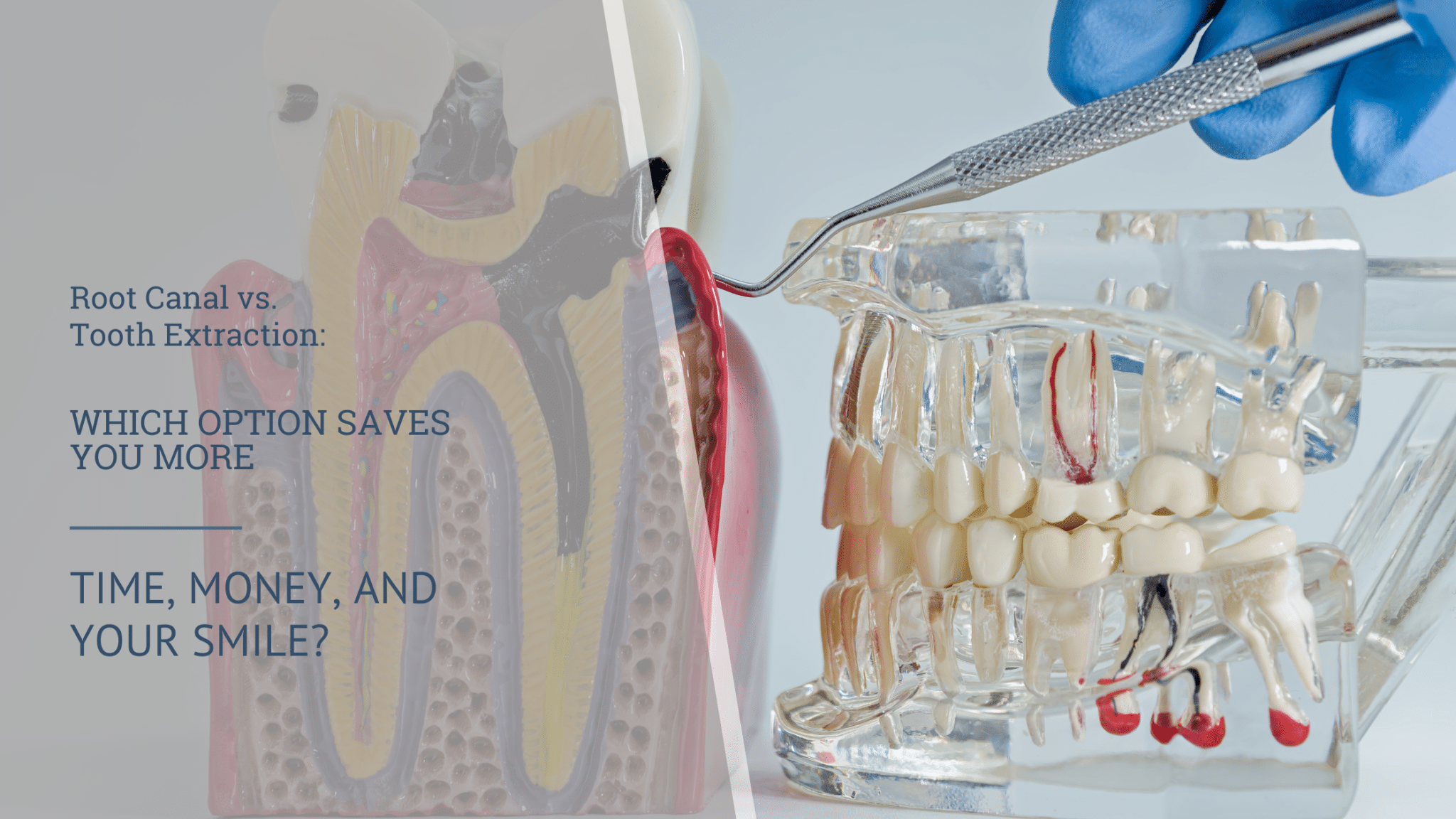
Root Canal vs. Tooth Extraction: Which Option Saves You More Time, Money, and Your Smile?

When you're dealing with severe tooth pain, you may assume the easiest solution is to have the tooth removed. In reality, that's not always the best option. One of the most common questions patients ask is, "Should I get a root canal or have the tooth extracted?" The answer depends on the condition of your tooth, but whenever possible, saving your natural tooth is almost always the preferred choice. At Eastern Idaho Endodontics, our goal is to preserve your natural smile whenever it's possible to do so. Here's what you should know when comparing a root canal vs. tooth extraction.

2026-08-04T15:42:04+00:00August 15th, 2026|Endodontics, Root Canal Therapy|

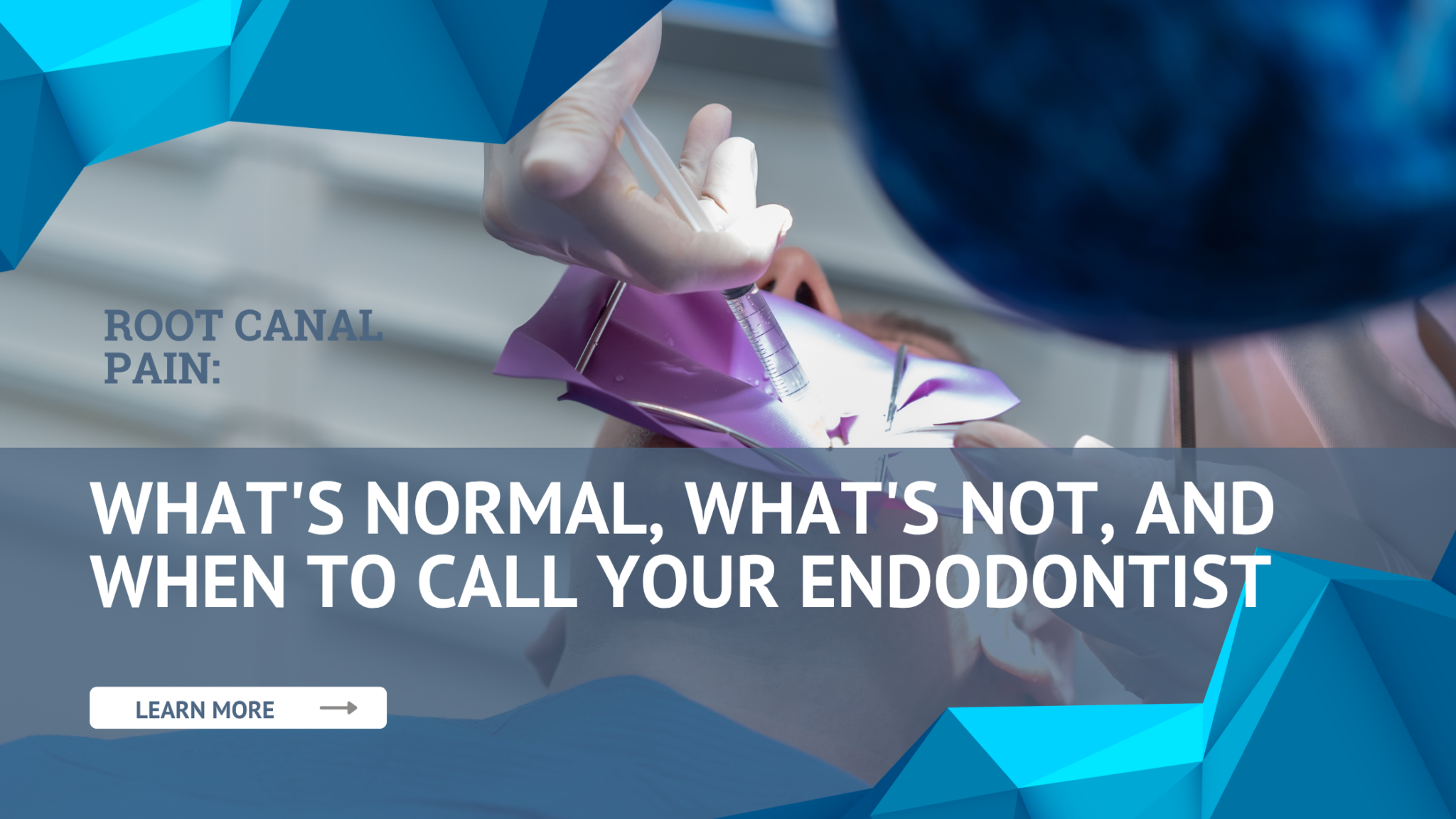
Root Canal Pain: What’s Normal, What’s Not, and When to Call Your Endodontist

If you've recently had a root canal, it's completely normal to wonder whether the discomfort you're feeling is part of the healing process—or a sign that something isn't right. One of the most common questions we hear at Eastern Idaho Endodontics is, "How much root canal pain is normal?" The good news is that most patients experience only mild soreness that improves over the course of a few days. In fact, modern root canal treatment is designed to relieve pain—not cause it. Here's what you can expect during recovery, what's considered normal, and when it's time to give your endodontist

2026-08-04T15:21:42+00:00August 10th, 2026|root canal treatment, tooth pain|

Who Should You Call for Severe Tooth Pain? A Dental Surgeon or an Endodontist?

When severe tooth pain strikes, most people do exactly what you'd expect—they search online for "dental surgeon near me." But is a dental surgeon actually the specialist you need? The answer depends on what's causing your pain. While oral surgeons and endodontists are both dental specialists, they treat very different conditions. Knowing who to call can help you get relief faster, save your natural tooth whenever possible, and avoid unnecessary procedures. Here's how to know which specialist is right for you. First Things First: What Is an Endodontist? An endodontist is a dentist who has completed two or more additional

2026-08-04T15:03:36+00:00August 4th, 2026|Endodontics|

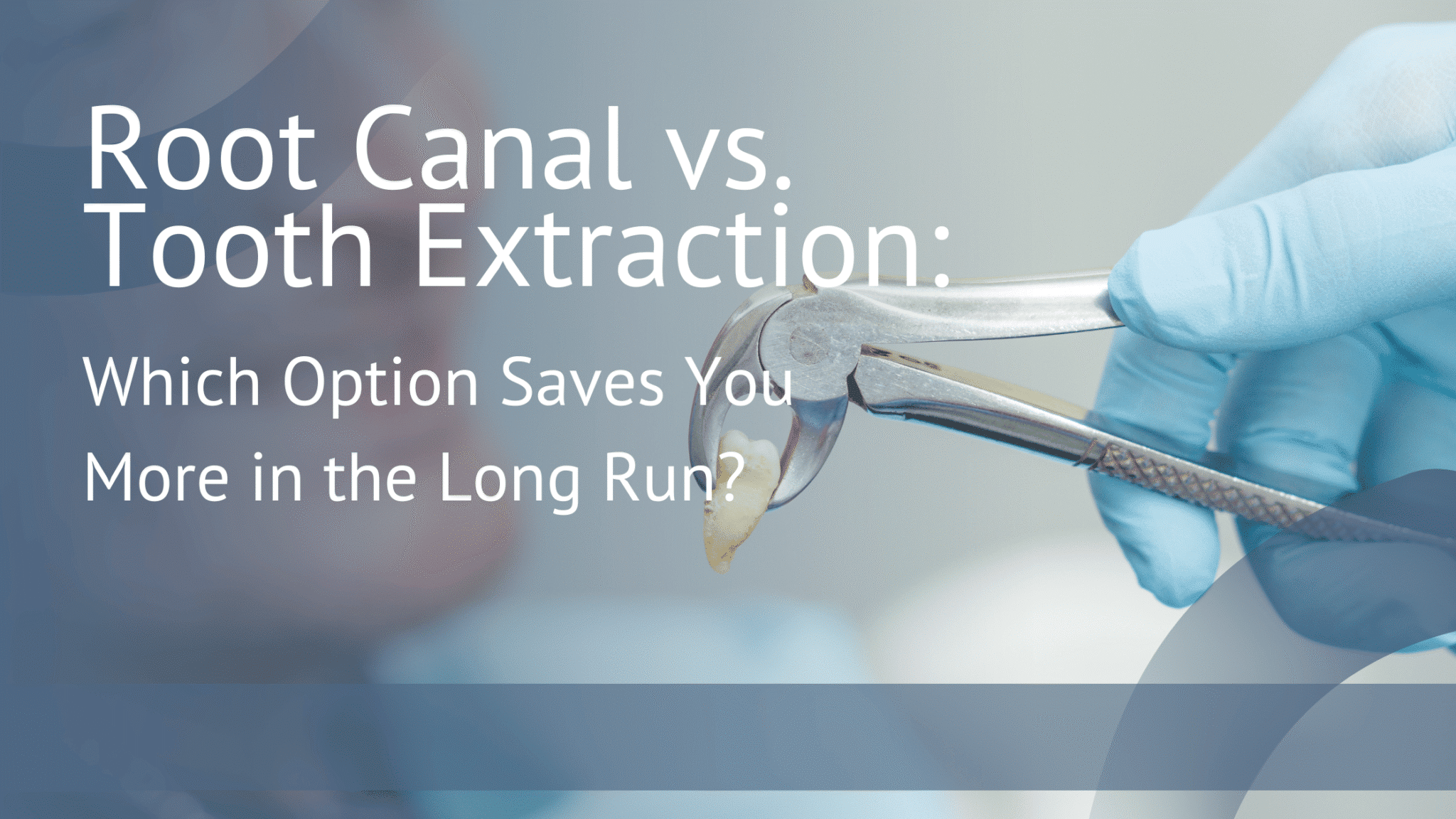
Root Canal vs. Tooth Extraction: Which Option Saves You More in the Long Run?

When you're dealing with severe tooth pain or infection, it's natural to wonder whether saving the tooth is worth it. Many patients ask the same question: Should I get a root canal or have the tooth extracted? While every case is unique, preserving your natural tooth is often the best long-term solution. Understanding the differences between root canal vs extraction can help you make an informed decision about your oral health. What's the Difference Between a Root Canal and an Extraction? Both treatments address damaged or infected teeth, but they do so in very different ways. A root canal: Removes

2026-07-29T18:37:36+00:00July 30th, 2026|root canal treatment|

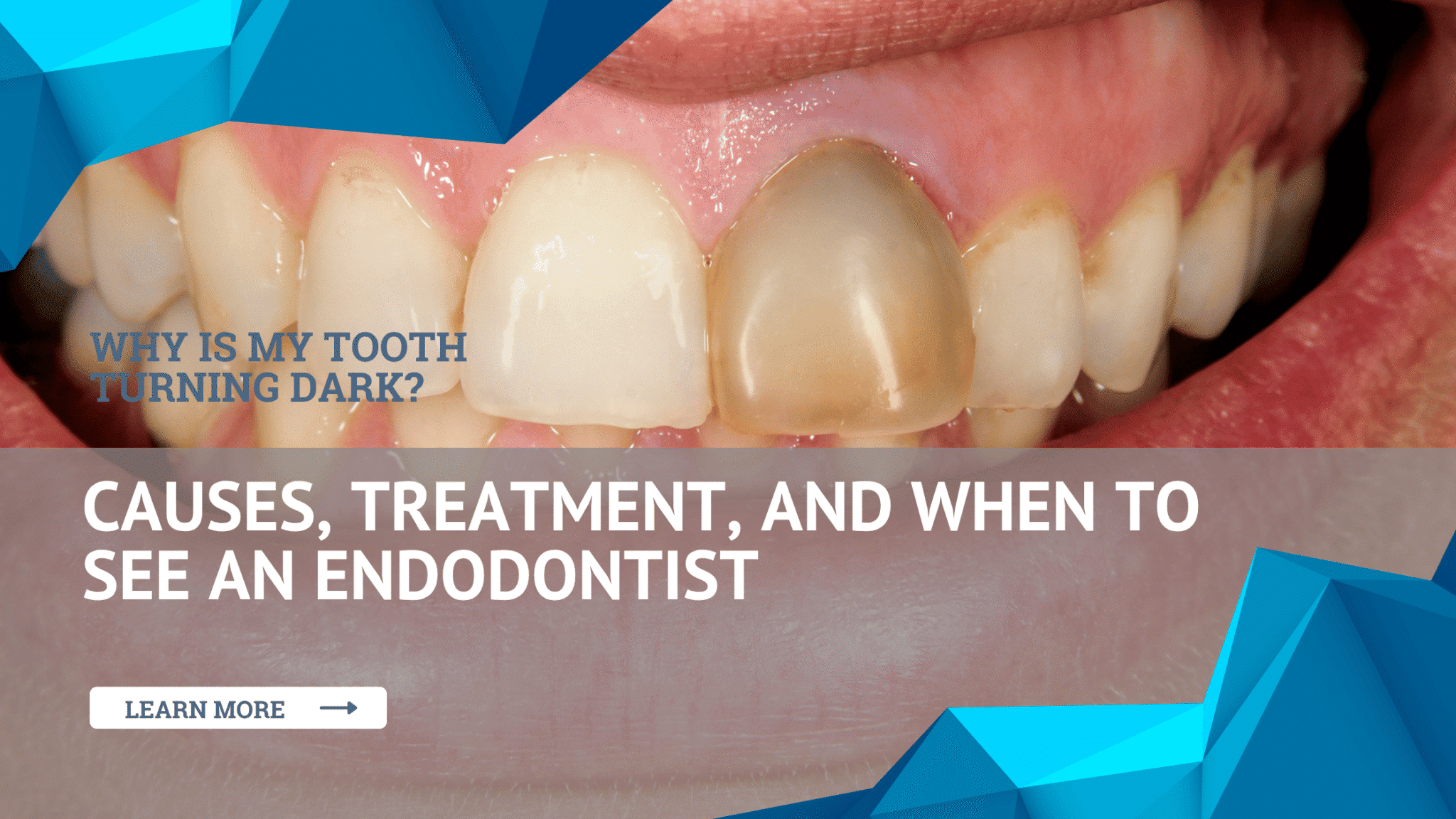
Why Is My Tooth Turning Dark? Causes, Treatment, and When to See an Endodontist

Most people expect a dental problem to come with pain. However, sometimes the first sign that something is wrong is a change in color. If one tooth suddenly looks darker than the others, you may be wondering what happened. While not every discolored tooth is a serious problem, a gray, yellow, or dark tooth can sometimes signal damage deep inside the tooth. Understanding the possible causes of tooth discoloration after trauma can help you know when it's time to seek treatment. Why Is My Tooth Turning Dark? A tooth can change color for many reasons. In some cases, discoloration is

2026-07-12T04:08:29+00:00July 24th, 2026|Endodontics|

Apicoectomy Recovery Timeline: Healing Week by Week

If you've recently undergone an apicoectomy—or have one scheduled—you may be wondering what recovery will look like. Fortunately, most patients heal smoothly and return to their normal routines within a few days. However, understanding the typical apicoectomy recovery timeline can help you know what symptoms are expected and when it may be time to contact your provider. While every patient heals differently, here's a general week-by-week guide to what you can expect after treatment. What Is an Apicoectomy? An apicoectomy, sometimes called a root-end surgery, is a procedure performed when inflammation or infection persists after a root canal. During the

2026-07-21T00:01:40+00:00July 20th, 2026|Apicoectomy|

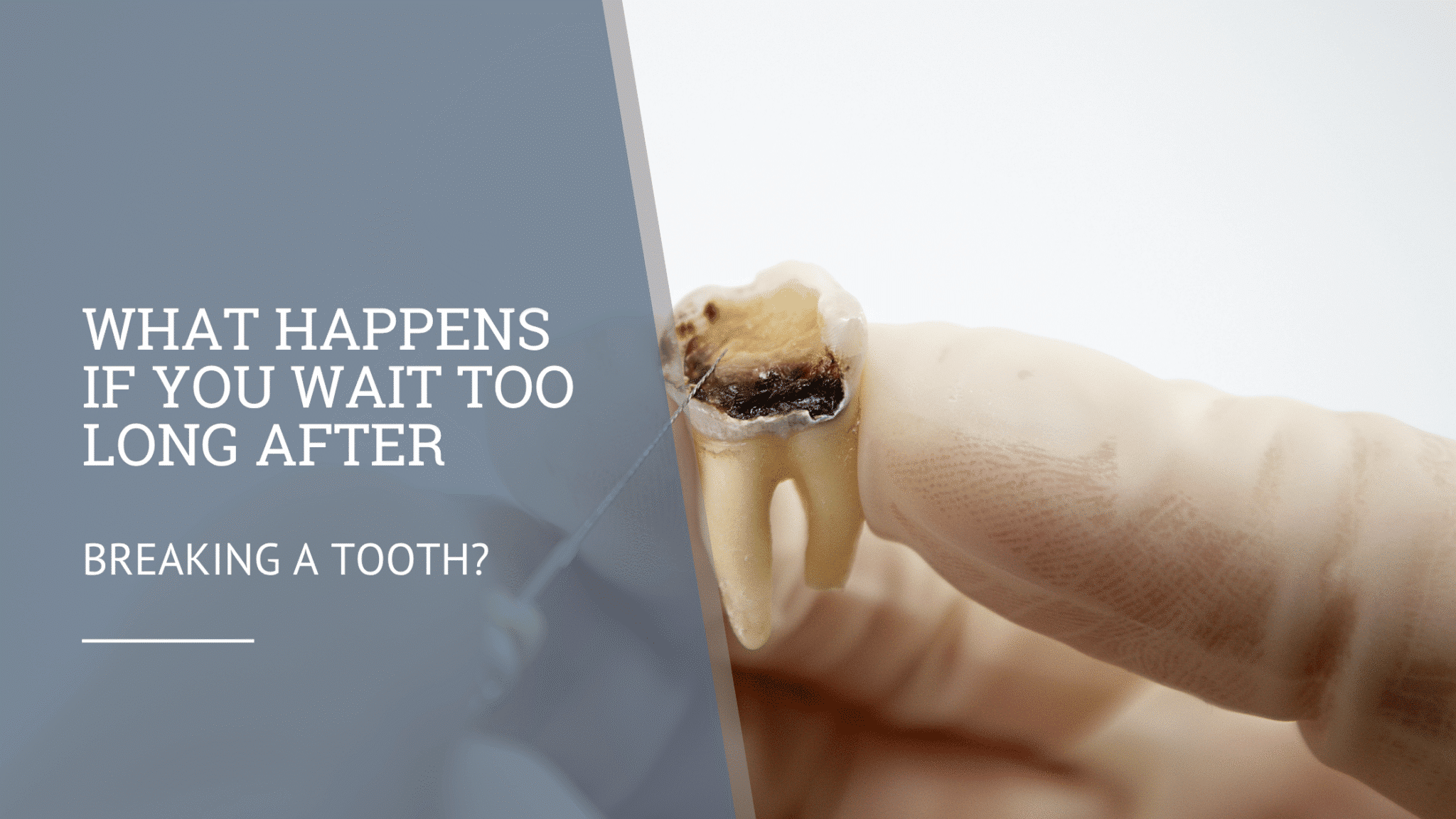
What Happens If You Wait Too Long After Breaking a Tooth?

A chipped or broken tooth can happen when you least expect it. Maybe you bit into something hard, took an elbow during a game, or simply noticed a crack while brushing your teeth. If the tooth does not hurt, it can be tempting to put off treatment. However, waiting too long after breaking a tooth can allow the problem to worsen beneath the surface. In some cases, what starts as a small crack can eventually lead to infection, significant pain, or the need for a broken tooth root canal. The good news is that prompt treatment often helps save your

2026-07-12T04:08:15+00:00July 13th, 2026|Cracked Teeth, Endodontics|

Don’t Carry Tooth Pain Into Another Year: Why Now Is the Time to Get Answers

It's easy to put off dental care. Life gets busy. Work schedules fill up. Family commitments take priority. And when tooth pain comes and goes, many people convince themselves it can wait a little longer. But if you've been dealing with lingering tooth pain, sensitivity, swelling, or discomfort for weeks—or even months—there is an important question worth asking: Why continue living with uncertainty when answers may be available today? As the year moves forward, now is an excellent time to stop ignoring symptoms and take the first step toward protecting your oral health. Why People Delay Treatment Most patients do

2026-06-26T16:06:57+00:00June 29th, 2026|tooth pain|

Tooth Pain Went Away? Why That Doesn’t Always Mean the Problem Is Go

Few things are more frustrating than a toothache. The discomfort can make it difficult to eat, sleep, focus at work, or enjoy your daily routine. When that pain suddenly disappears, it's natural to feel relieved and assume the problem has resolved itself. Unfortunately, that isn't always the case. One of the most common misconceptions in dentistry is that if tooth pain goes away, the tooth must be healing. In reality, some of the most serious dental infections can become less painful even as the underlying problem continues to worsen. Understanding why tooth pain sometimes disappears can help you avoid delaying

2026-06-17T20:54:01+00:00June 21st, 2026|tooth pain|
Go to Top