Online Payment
Request an Appointment

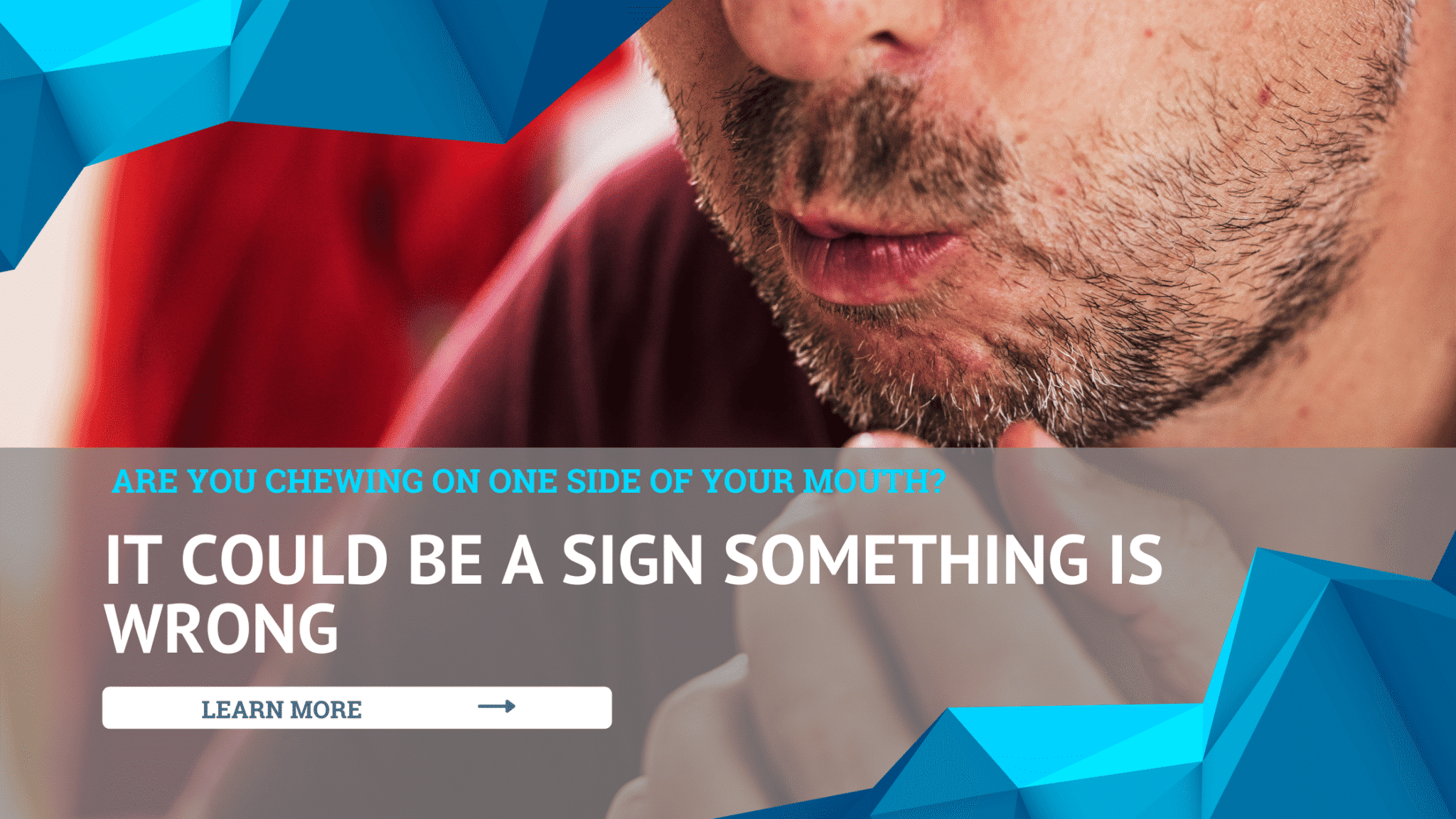
Are You Chewing on One Side of Your Mouth? It Could Be a Sign Something Is Wrong

Most people don't spend much time thinking about how they chew. Eating is something we do automatically every day. But if you find yourself consistently chewing on one side of your mouth, avoiding certain foods, or favoring one side when you eat, your teeth may be trying to tell you something. While occasional one-sided chewing is usually not a cause for concern, a habit of consistently avoiding one side of your mouth can sometimes signal an underlying dental problem. In many cases, patients adapt to discomfort without realizing it, gradually changing how they eat to avoid a sensitive or painful

2026-06-17T20:54:01+00:00June 25th, 2026|tooth pain|

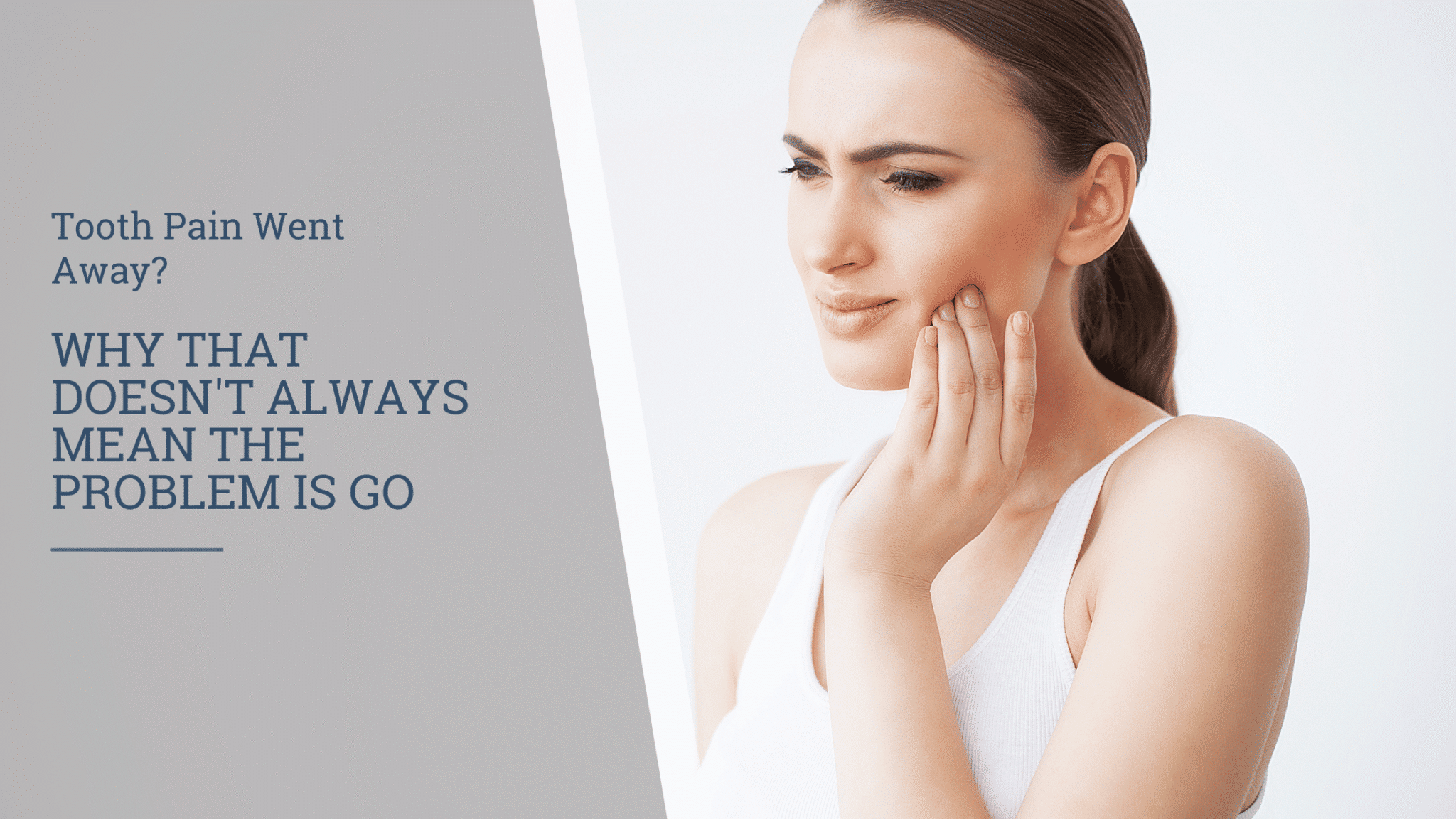
Tooth Pain Went Away? Why That Doesn’t Always Mean the Problem Is Go

Few things are more frustrating than a toothache. The discomfort can make it difficult to eat, sleep, focus at work, or enjoy your daily routine. When that pain suddenly disappears, it's natural to feel relieved and assume the problem has resolved itself. Unfortunately, that isn't always the case. One of the most common misconceptions in dentistry is that if tooth pain goes away, the tooth must be healing. In reality, some of the most serious dental infections can become less painful even as the underlying problem continues to worsen. Understanding why tooth pain sometimes disappears can help you avoid delaying

2026-06-17T20:54:01+00:00June 21st, 2026|tooth pain|

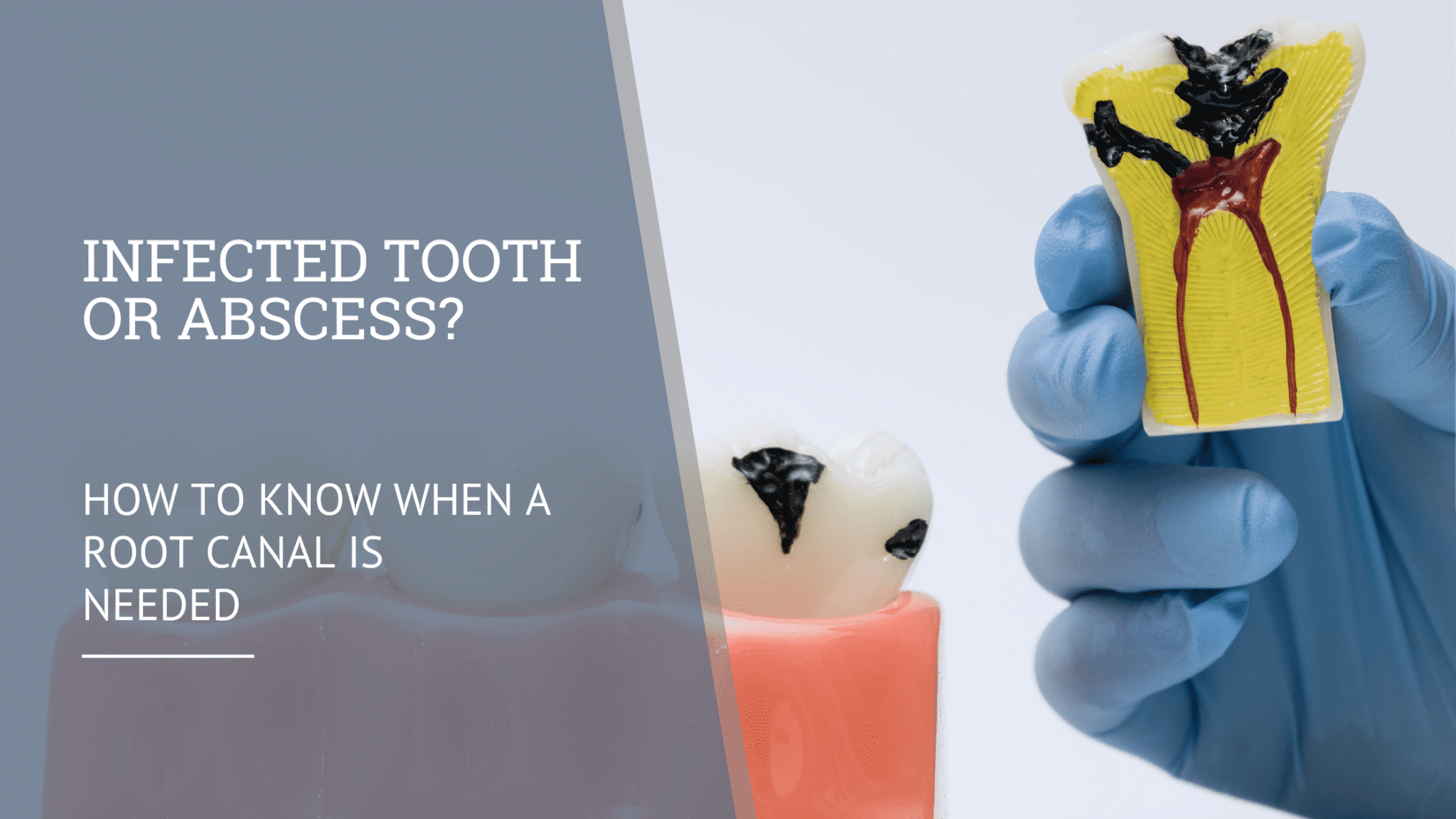
Infected Tooth or Abscess? How to Know When a Root Canal Is Needed

Tooth pain can be confusing. One day it’s mild sensitivity, and the next it feels swollen, throbbing, or impossible to ignore. Many patients ask the same question: Is this just an infection, or do I need a root canal? Understanding the difference between an infected tooth, a tooth abscess, and a root canal infection can help you act quickly—and potentially save your tooth. At Eastern Idaho Endodontics, we see patients every week who waited longer than they should have, simply because they weren’t sure what their symptoms meant. This guide explains what to watch for and when treatment becomes urgent.

2026-05-05T17:23:22+00:00February 4th, 2026|Root Canal Therapy, root canal treatment|
Go to Top