Online Payment
Request an Appointment

hy Does My Tooth Hurt After a Filling? When It Could Mean You Need a Root Canal

You had a cavity treated, got your filling, and expected the tooth to feel better. Instead, it still hurts. So, why does your tooth hurt after a filling? Some sensitivity after a filling can be temporary. The tooth may need time to settle after dental work, especially if the cavity was deep. However, persistent, worsening, or severe pain may be a sign that something else is happening inside the tooth. In some cases, the dental pulp may be too damaged to recover. When that happens, root canal treatment may be needed to save the tooth. The key is knowing which

2026-10-07T18:20:05+00:00September 29th, 2026|tooth pain|

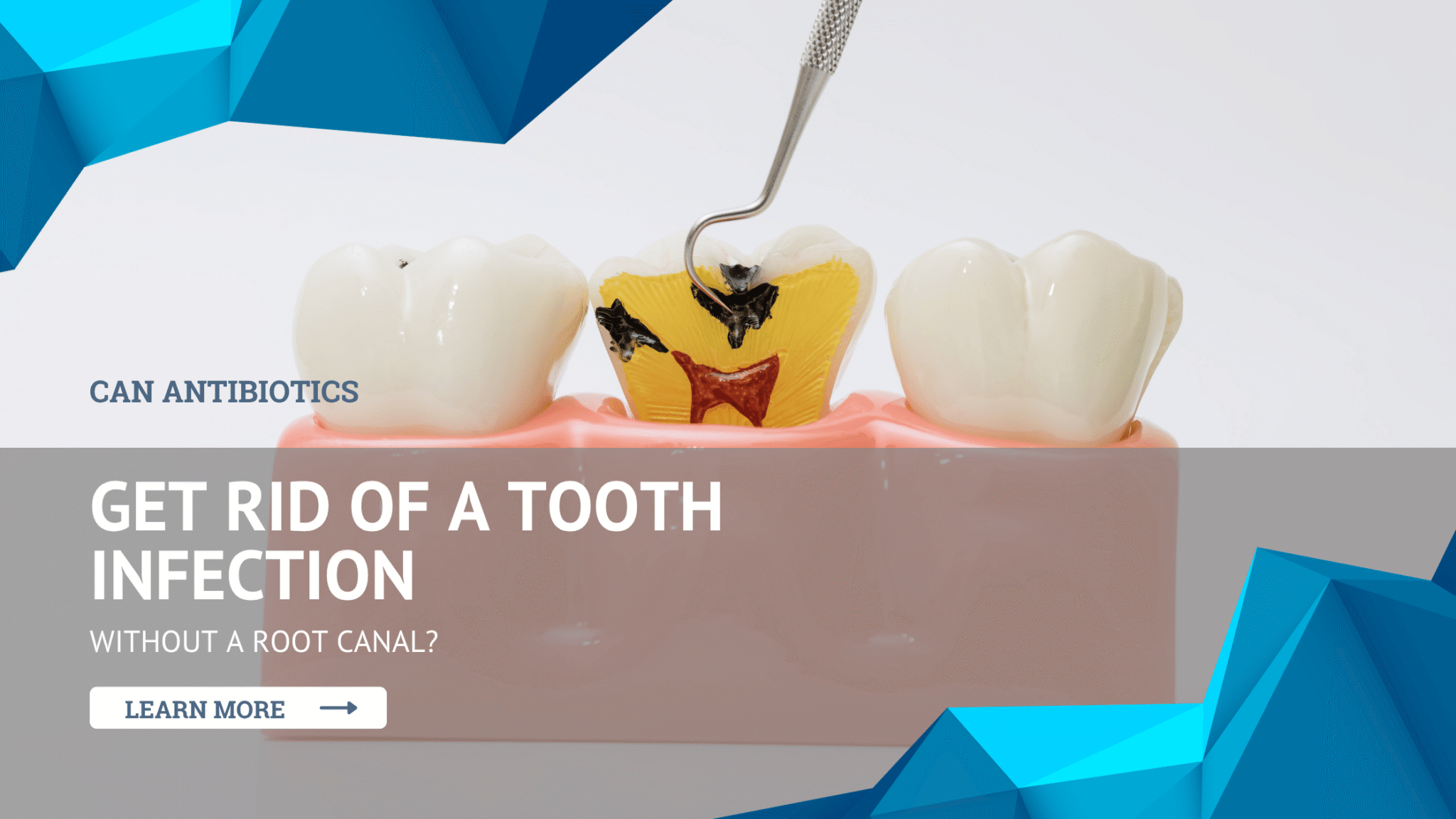
Can Antibiotics Get Rid of a Tooth Infection Without a Root Canal?

Can Antibiotics Get Rid of a Tooth Infection Without a Root Canal? If you have an infected tooth, taking antibiotics may seem like the easiest solution. After all, antibiotics treat many bacterial infections throughout the body. So, can antibiotics get rid of a tooth infection without a root canal? In many cases, no. Antibiotics may be useful for certain dental infections, especially when there are signs that an infection is spreading. However, antibiotics alone usually cannot eliminate the source of an infection located inside the root canal system. If the pulp inside your tooth is infected or no longer vital,

2026-10-07T18:20:05+00:00September 25th, 2026|Myths, tooth pain|

Can You Still Need a Root Canal If Your Tooth Doesn’t Hurt?

Most people associate root canals with severe toothaches. So, if your dentist says you may need one even though your tooth feels fine, it's natural to have questions. Can you need a root canal without tooth pain? Yes. A tooth can sometimes need root canal treatment even when it doesn't hurt. The nerve tissue inside the tooth may be severely damaged or no longer vital without causing noticeable pain. In other cases, an infection may develop around the root with few obvious symptoms. That's why pain is only one part of diagnosing a tooth. Why Would I Need a Root

2026-10-07T18:20:05+00:00September 21st, 2026|root canal treatment, tooth pain|

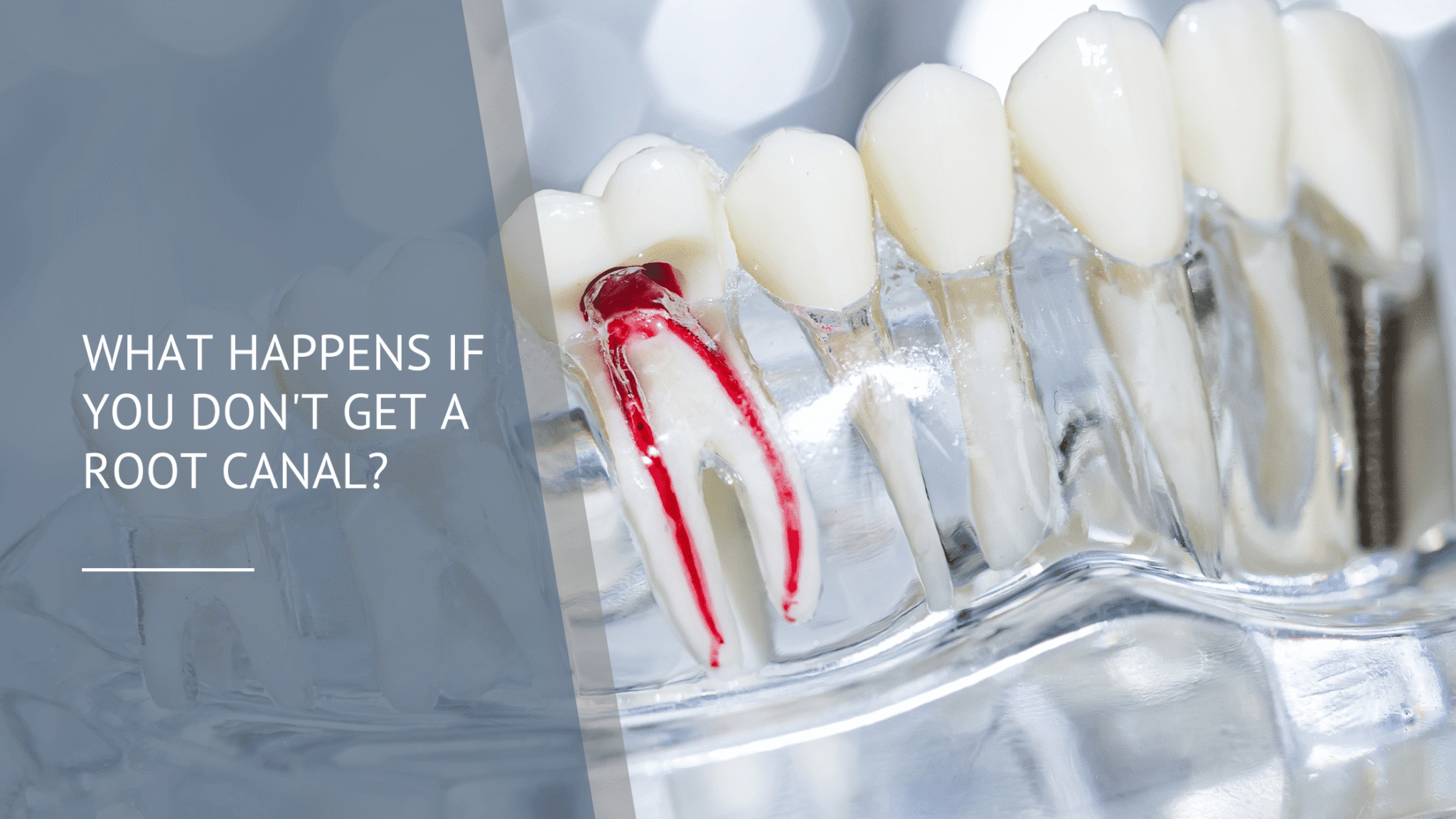
What Happens If You Don’t Get a Root Canal?

Being told you need a root canal can make you wonder whether treatment is really necessary. This is especially true if your tooth isn't hurting much—or if the pain has suddenly disappeared. So, what happens if you don't get a root canal? If the pulp inside your tooth is infected or irreversibly damaged, the problem usually will not heal on its own. Without treatment, pain or infection may progress. In some cases, waiting too long can also make it harder to save the natural tooth. That doesn't mean every toothache requires a root canal. However, once a dentist or endodontist

2026-10-07T18:20:05+00:00September 15th, 2026|root canal treatment|

How Long Can You Wait to Get a Root Canal After You’re Told You Need One?

If your dentist says you need a root canal, you may wonder how quickly you actually need to schedule treatment. After all, what if the tooth only hurts occasionally? What if the pain has stopped completely? So, how long can you wait to get a root canal? There is no single timeline that applies to every tooth. However, once a dentist or endodontist has determined that root canal treatment is necessary, delaying treatment is generally not recommended. An inflamed or infected tooth can become more difficult to treat if the underlying problem progresses. Most importantly, less pain does not always

2026-10-07T18:20:06+00:00September 8th, 2026|Root Canal Therapy, root canal treatment|

Why Does My Root Canal Tooth Hurt Years Later?

A root canal is designed to remove infected or damaged tissue from inside a tooth and help you keep your natural tooth. In many cases, a treated tooth can function normally for years. So, what does it mean when a root canal tooth hurts years later? New pain does not always mean the original root canal failed. Several things can cause discomfort in or around a previously treated tooth. For example, a new infection, a crack, problems with the restoration, or changes in the surrounding tissues may be responsible. Most importantly, pain that returns months or years after treatment deserves

2026-10-07T18:20:06+00:00September 1st, 2026|Endodontics, tooth pain|
Go to Top