Online Payment
Request an Appointment

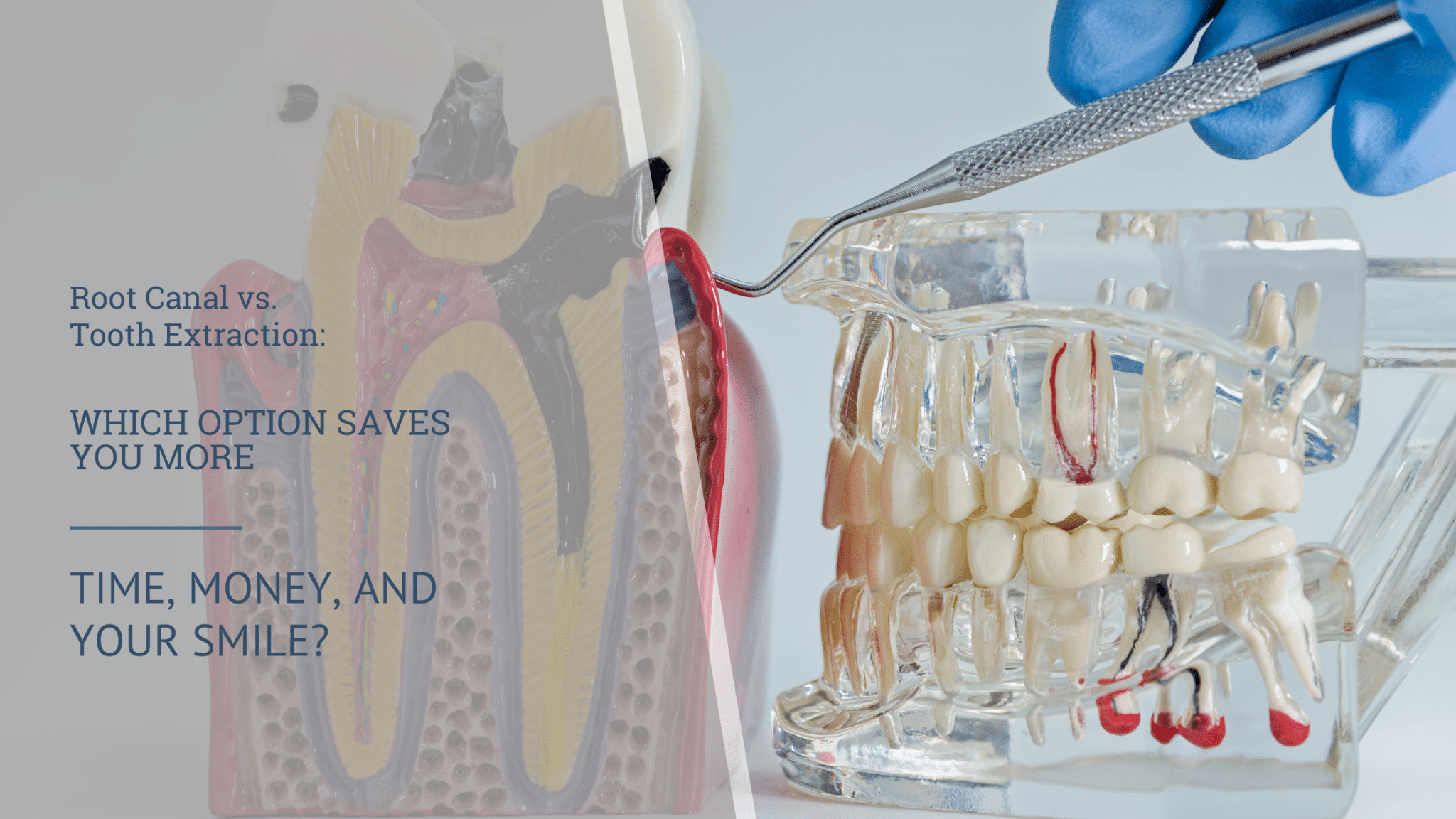
Root Canal vs. Tooth Extraction: Which Option Saves You More Time, Money, and Your Smile?

When you're dealing with severe tooth pain, you may assume the easiest solution is to have the tooth removed. In reality, that's not always the best option. One of the most common questions patients ask is, "Should I get a root canal or have the tooth extracted?" The answer depends on the condition of your tooth, but whenever possible, saving your natural tooth is almost always the preferred choice. At Eastern Idaho Endodontics, our goal is to preserve your natural smile whenever it's possible to do so. Here's what you should know when comparing a root canal vs. tooth extraction.
2026-10-07T18:20:07+00:00August 15th, 2026|Endodontics, Root Canal Therapy|

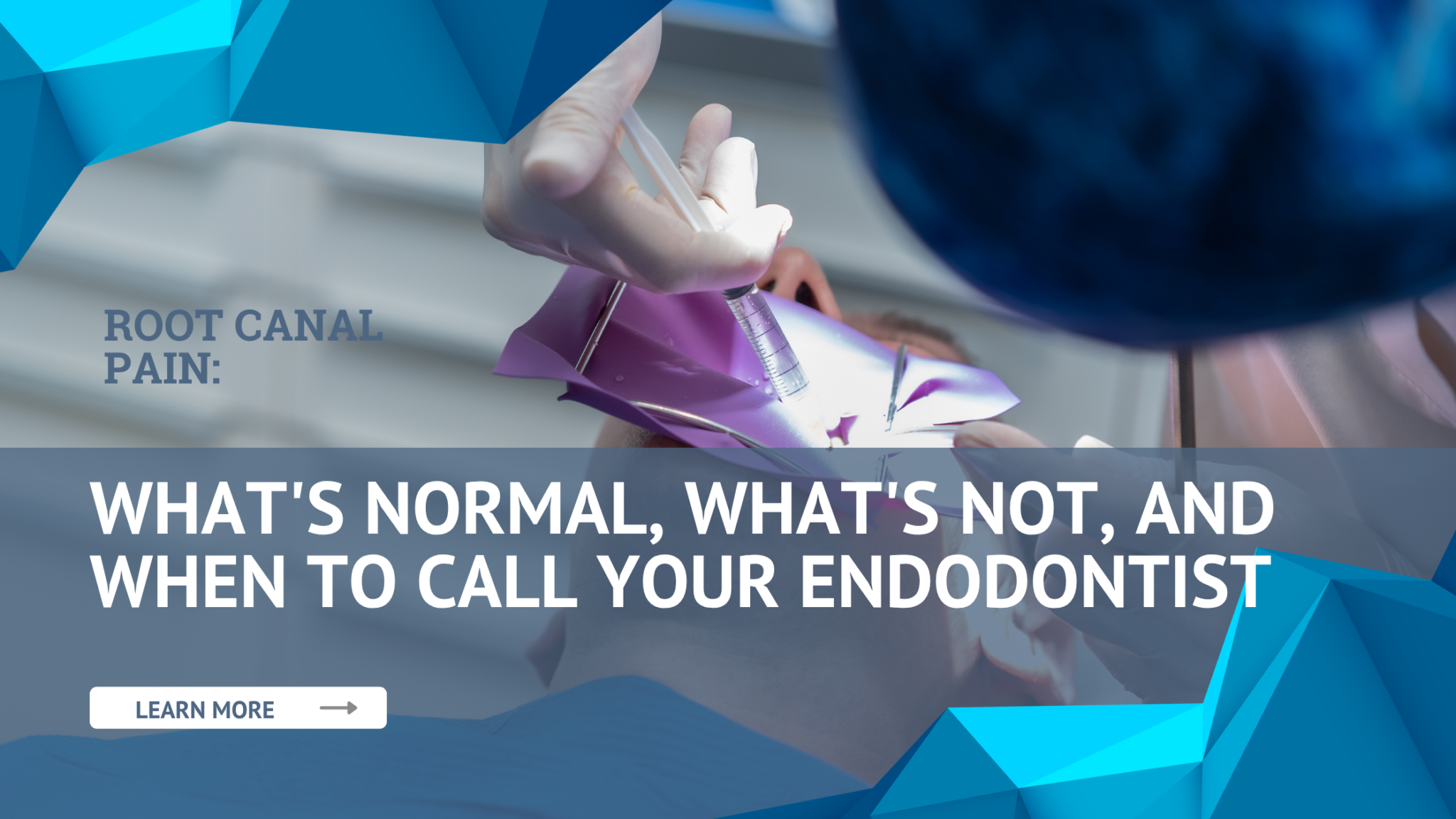
Root Canal Pain: What’s Normal, What’s Not, and When to Call Your Endodontist

If you've recently had a root canal, it's completely normal to wonder whether the discomfort you're feeling is part of the healing process—or a sign that something isn't right. One of the most common questions we hear at Eastern Idaho Endodontics is, "How much root canal pain is normal?" The good news is that most patients experience only mild soreness that improves over the course of a few days. In fact, modern root canal treatment is designed to relieve pain—not cause it. Here's what you can expect during recovery, what's considered normal, and when it's time to give your endodontist

2026-10-07T18:20:07+00:00August 10th, 2026|root canal treatment, tooth pain|

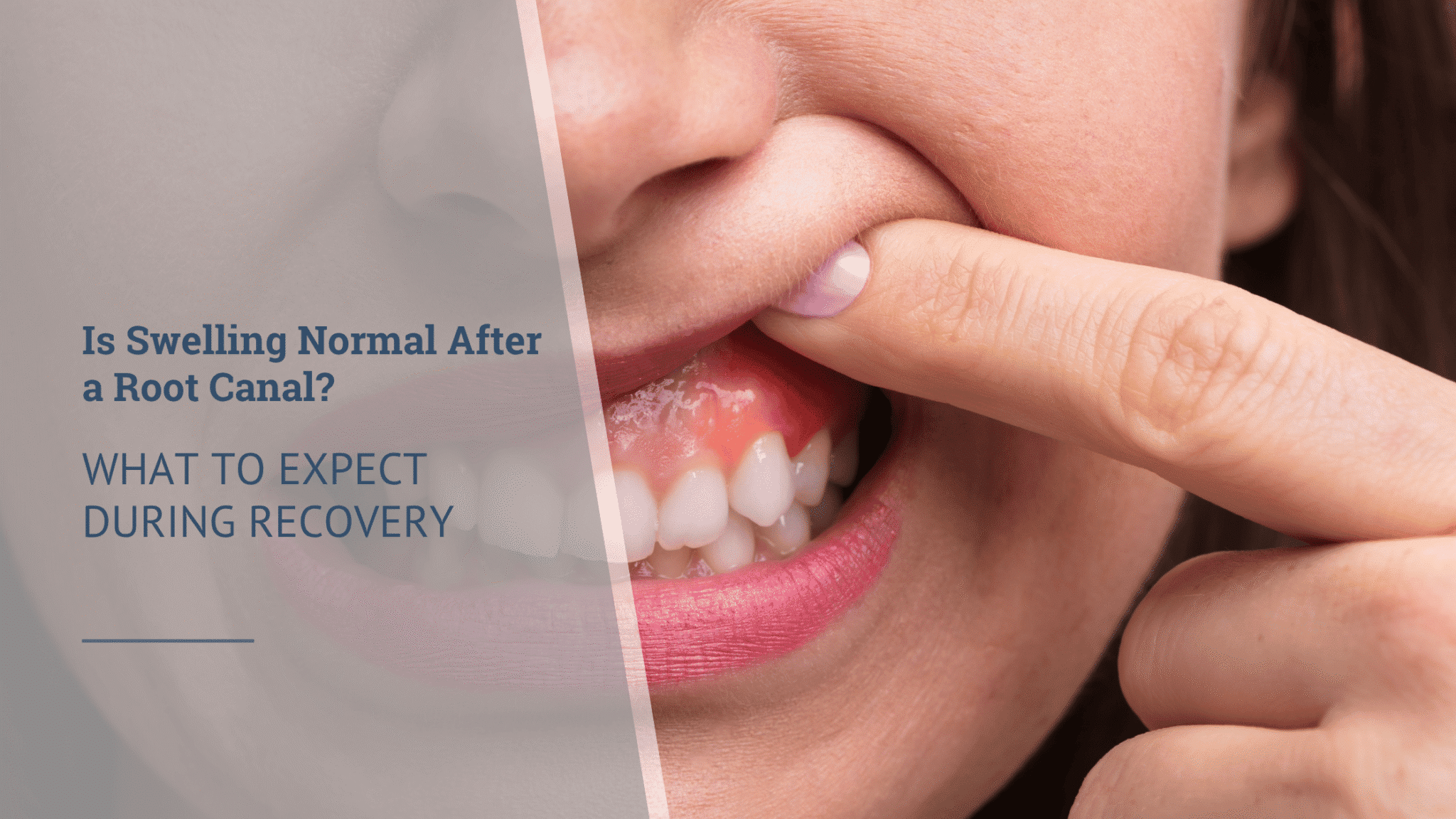
Is Swelling Normal After a Root Canal? What to Expect During Recovery

A root canal removes bacteria and infected tissue from inside the tooth. Although the source of the infection has been treated, the surrounding tissues may still be inflamed as your body begins healing. Swelling is often more noticeable if: The tooth had a significant infection. An abscess was present. There was swelling before treatment. The surrounding tissues were already irritated. This inflammatory response is your body's natural way of repairing damaged tissue.   How Much Swelling Is Normal? For most patients, swelling is mild. You may notice: Slight puffiness around the treated tooth Mild tenderness when chewing Minor gum inflammation

2026-10-07T18:20:08+00:00July 10th, 2026|Endodontics|

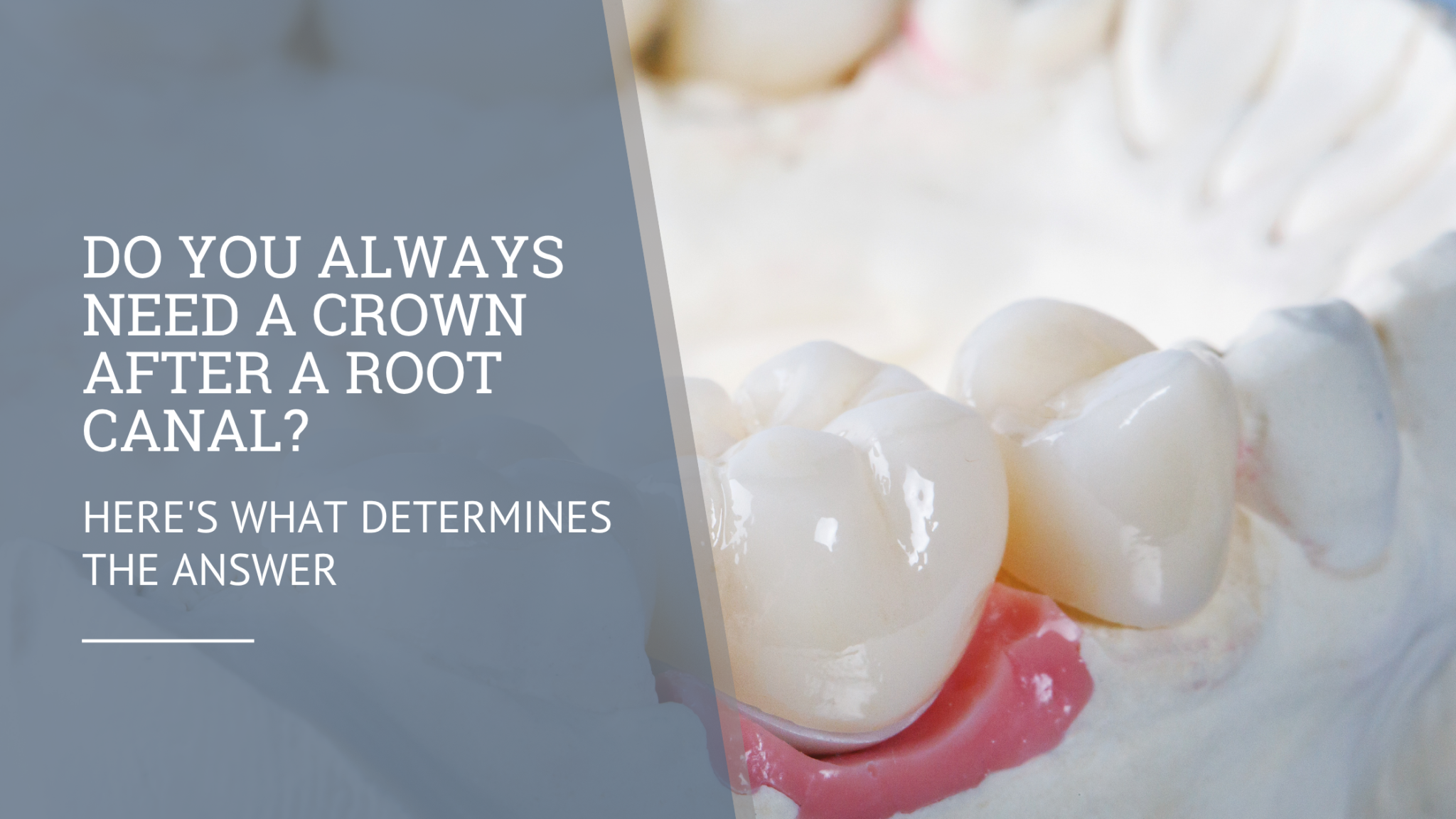
Do You Always Need a Crown After a Root Canal? Here’s What Determines the Answer

One of the most common questions patients ask is, "Do I really need a crown after a root canal?" The short answer is: not always. However, many teeth do benefit from a dental crown after root canal treatment. A crown helps protect the tooth, restore its strength, and reduce the risk of future fractures. The right treatment depends on several factors, including which tooth was treated, how much healthy tooth remains, and how much pressure that tooth handles every day. Let's take a closer look at when a crown is recommended and why it can make such an important difference.

2026-09-04T13:44:08+00:00July 6th, 2026|crown, Endodontics|

Don’t Carry Tooth Pain Into Another Year: Why Now Is the Time to Get Answers

It's easy to put off dental care. Life gets busy. Work schedules fill up. Family commitments take priority. And when tooth pain comes and goes, many people convince themselves it can wait a little longer. But if you've been dealing with lingering tooth pain, sensitivity, swelling, or discomfort for weeks—or even months—there is an important question worth asking: Why continue living with uncertainty when answers may be available today? As the year moves forward, now is an excellent time to stop ignoring symptoms and take the first step toward protecting your oral health. Why People Delay Treatment Most patients do

2026-09-04T13:44:08+00:00June 29th, 2026|tooth pain|

What Is an Abscessed Tooth and Why Should It Never Be Ignored?

A toothache is easy to dismiss when life gets busy. Maybe the pain comes and goes, or perhaps it seems to improve after a few days. Unfortunately, some dental problems do not simply resolve on their own. One of the most serious conditions that can develop is an abscessed tooth. An abscessed tooth is a dental infection that occurs when bacteria enter the inner portion of the tooth or surrounding tissues. Left untreated, this infection can continue spreading, damaging nearby structures and leading to more complicated treatment needs. Understanding the warning signs of an abscessed tooth can help you seek

2026-09-01T15:25:46+00:00June 16th, 2026|root canal treatment, tooth pain|

Don’t Wait Until After the Holidays — Fix Tooth Pain Now and Enjoy Thanksgiving Fully

Thanksgiving is meant for warm gatherings, comfort foods, and sharing a meal with the people you love. But if you’re dealing with tooth pain, even simple holiday favorites—like turkey, stuffing, or pumpkin pie—can feel impossible to enjoy. The good news? You don’t have to wait until after the holidays to get relief. In fact, now is the perfect time to treat tooth pain so you can enjoy Thanksgiving without worrying about every bite. At Eastern Idaho Endodontics, we help patients find fast, gentle relief so they can get back to the celebrations that matter most. Here’s why addressing dental discomfort

2026-03-08T18:33:31+00:00November 24th, 2025|root canal treatment, tooth pain|

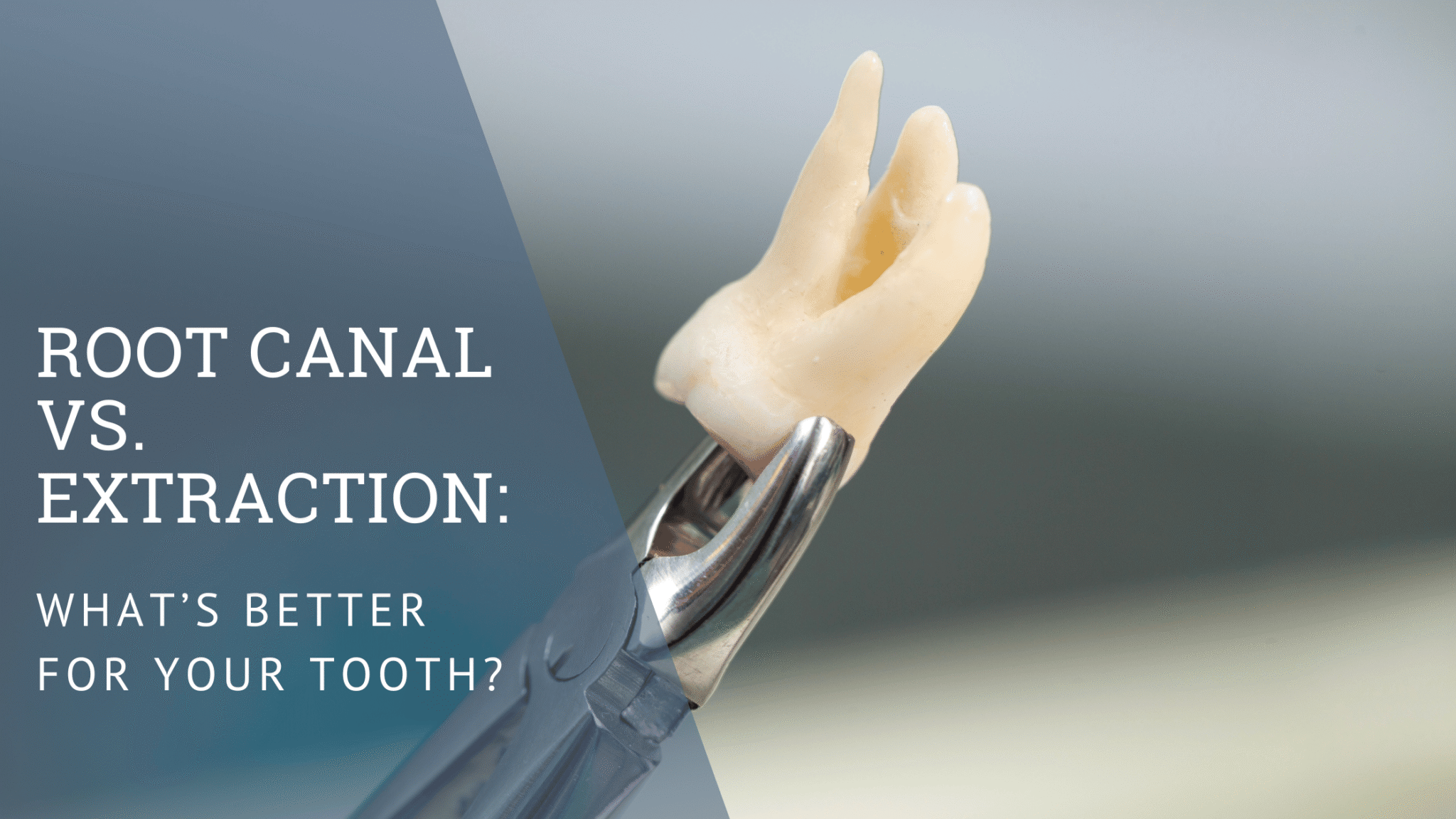
Root Canal vs. Extraction: What’s Better for Your Tooth?

When you’re dealing with a painful, infected, or damaged tooth, two treatment options usually come up: a root canal or a tooth extraction. Both can relieve pain, but they work in very different ways—and one is usually better for your long-term oral health. At Eastern Idaho Endodontics, our goal is always to save your natural tooth whenever possible. Let’s break down the differences so you can make the best decision for your smile. What Is a Root Canal? A root canal is a specialized procedure that removes infection from the inside of a tooth while keeping the natural structure intact.

2025-11-18T21:36:03+00:00August 29th, 2025|Endodontics, root canal treatment|

Apicoectomy vs Root Canal: What’s the Difference?

When tooth pain strikes, most people think of a root canal as the solution—but it’s not the only option. In some cases, an apicoectomy may be the right procedure to save your natural tooth. At Eastern Idaho Endodontics, we often hear patients ask, “What’s the difference between a root canal and an apicoectomy?” Let’s clear that up so you feel confident in your treatment choices. What Is a Root Canal? A root canal is one of the most common endodontic procedures. It’s performed when the pulp—the soft tissue inside your tooth—becomes infected or inflamed. During the treatment: The endodontist carefully

2025-11-18T21:36:04+00:00August 26th, 2025|Apicoectomy, root canal treatment|

Do I Really Need a Root Canal? 5 Signs You Shouldn’t Ignore

Let’s be honest—no one gets excited about the idea of a root canal. The very phrase might send a chill down your spine. But here’s the truth: root canals aren’t the bad guys they’re made out to be. In fact, they’re tooth-saving heroes that can rescue your smile from deep pain and even deeper problems. So, if you’re wondering, “Do I really need a root canal?”—you’re not alone. And you’re in the right place. Below, we’ll break down 5 signs you shouldn’t ignore, what they really mean, and how to know when it’s time to see a root canal specialist

2025-09-02T18:06:04+00:00June 9th, 2025|root canal treatment|
Go to Top